

Melon
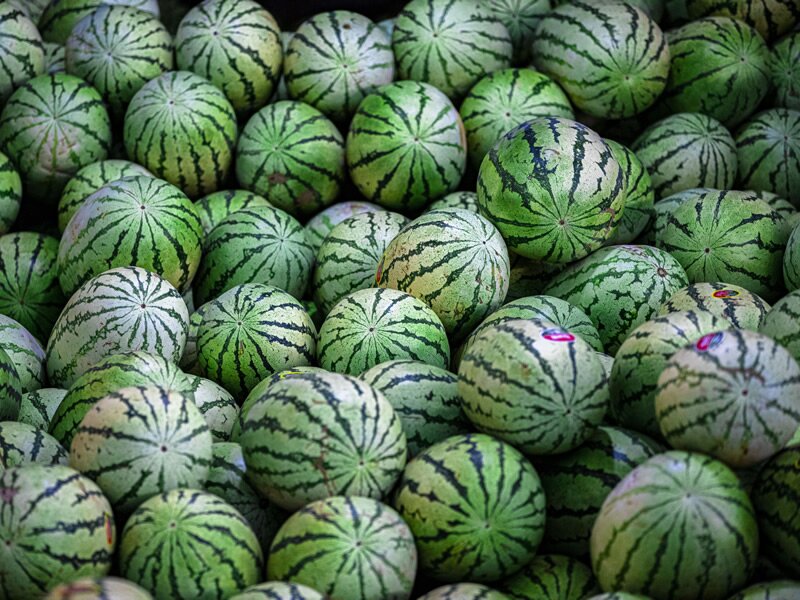
Melon (Cucumis melo)
Melons are a warm-season crop that require high temperatures to produce sweet, ripe fruit. In Ireland, particularly here in the west, they will only really grow in a greenhouse or polytunnel, where conditions can be controlled.
Growing Conditions
- Soil: Rich, moisture retentive but well-drained soil - a good amount of well-rotted manure or compost should be applied before planting out.
- Light: Full sun - this is essential for these fruits and there should be no overshadowing from nearby crops or structures.
- Temperature: Warm conditions in a polytunnel or greenhouse.
- Spacing: 45cm between plants and 90cm between rows.
- Rotation: As a cucurbit, melons aren't really affected by rotation as they don't attract soil borne pests or diseases.
Sowing & Planting
- Sow indoors in mid-April in a propagator. Temperatures should be at least 23ºC for germination to take place in about a week. Sow 1 seed per 7cm pot and once the roots are well established (about 3 weeks after germination) these should be potted on to a larger 1L pot. These should remain in warm, bright conditions indoors until sun levels and temperatures are higher in early to mid June when they can be planted out into your tunnel or greenhouse. For increased drainage you may wish to plant them on ridges, just to be sure but also be sure not to let the soil dry out.
- Space the plants 45cm apart and if you are growing in multiple rows, allow 90cm between rows.
Care & Maintenance
- Train plants on supports, upright strings or strong netting. You can trail them on the ground but this can take up a lot of valuable space in your greenhouse or tunnel and leave them more prone to slug damage.
- Fruits are produced on side shoots and you shouldn't allow more than one fruit per side shoot, so as to allow the plant to focus energy in to that fruit. Only allow about 6-10 fruits overall per plant or you'll end up with a lot of immature unripened (and probably useless) fruit.
- By cutting off the main shoot at the fifth leaf, you can encourage primary side shoots. When these appear, keep the four strongest and remove any others. These can then be grown up supports of their own. These will then produce secondary side shoots and it is on these that you don't want more than one fruit per shoot, pruning the shoot to about 4 or five leaves past the fruit.
- Water consistently
- Assist pollination if needed by tickling flowers with a light brush.
Growing in Containers
- Grow in large pots or growbags
- Ensure warmth and shelter
- Maybe not the best plant for container growing
Harvesting
Harvest when fruits develop a strong aroma and begin to soften slightly. This is usually from late summer onwards. Cut the melon with its shoot or 'handle' attached and allow to ripen indoors for a few days to allow it to fully ripen.
Varieties to Try
- Ogen – Canteloupe type suitable for cooler climates
- Mini Love F1 - Watermelon bred for Northern European climates
- Emir f1 – Excellent flavour, bred for lower temperatures and resistant to downy mildew.
Common Problems
- Poor ripening: Lack of heat
- Fruit drop: Pollination issues
- Fungal Disease: Melon plants may suffer from mildew and grey mold. To prevent this avoid watering in the evening and ensure adequate ventilation in your greenhouse or tunnel. If plants do get affected, spray with a 50/50 milk/water solution.
Culinary Use
- Fresh fruit salads
- Desserts
- Pairing with cured meats
Recipe – Melon & Mint Salad
Ingredients
1 melon
Fresh mint
Lime juice
- Combine and chill before serving.
Nutritional Information
- High water content
- Source of vitamin C