

Tomatoes
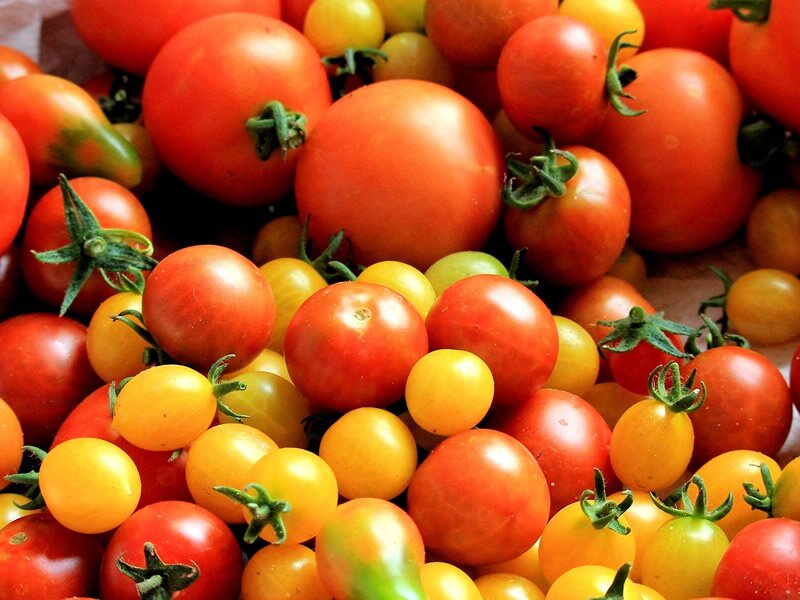
Tomatoes are one of the most popular crops for home growers, prized for their flavour, versatility and the sheer difference in taste compared to shop-bought fruit. While tomatoes do require a little more attention than some vegetables, the rewards more than justify the effort.
In Ireland, tomatoes are best grown under cover in greenhouses, polytunnels or sunny porches, although some bush varieties can be grown successfully outdoors in sheltered positions. Because tomatoes need a long growing season, they must be started early from seed and protected from cold conditions during their early growth. This is something to bare in mind when considering space and light as tomatoes aren't moved to their final position usually until June (or late May if we have a particularly good one.)
With the right variety choice and a bit of care, tomatoes can produce heavy crops of delicious fruit from mid-summer right through to early autumn.
How to grow Tomatoes
- Soil and Site – Tomatoes thrive in a fertile, free-draining soil or compost and require as much light and warmth as possible. Under cover, grow transplanted tomatoes in large pots, growbags or greenhouse borders enriched with plenty of well-rotted compost. Outdoors (which we wouldn't recommend for the west of Ireland!), choose a sheltered, sunny position. Tomatoes should not be grown on freshly manured soil and should be rotated to avoid soil-borne diseases.
- Sowing – Sow tomato seeds indoors from late February to late March. Sow thinly into seed trays or modules using a fine seed compost and lightly cover. Maintain a temperature of around 18–22°C for reliable germination - it's best to use a heated propagator, heat bench or heat matt. Germination usually occurs within 7–14 days. Once seedlings develop their first true leaves, prick them out into individual pots. When potting on start with small pots, allow the roots to grow to the point you can see them coming out of the bottom of the pot, then pot on to a larger pot. It is much better to do this incrementally until they are to be put out into their final position as this prevents them from sitting in too large a pot of wet compost and encourages healthier root growth. It is also best to plant them a little deeper each time you pot on, submerging more of the stem under the soil (and removing lower leaves if necessary). Tomatoes are one of the only plants where this is beneficial as the deeper the stem is planted, the more healthy the root growth. When doing this make sure of course that you have a few good leaves at the top exposed.
- Planting Out – Tomatoes can be planted into their final positions from late May or June onwards under cover, once the risk of frost has passed. Outdoor tomatoes, if your lucky enough to have the climate for them, should not be planted out until June. Harden off plants gradually before moving them outside.
- Spacing – Space plants approximately 45–60cm apart depending on variety. One healthy plant can produce several kilograms of fruit over the season.
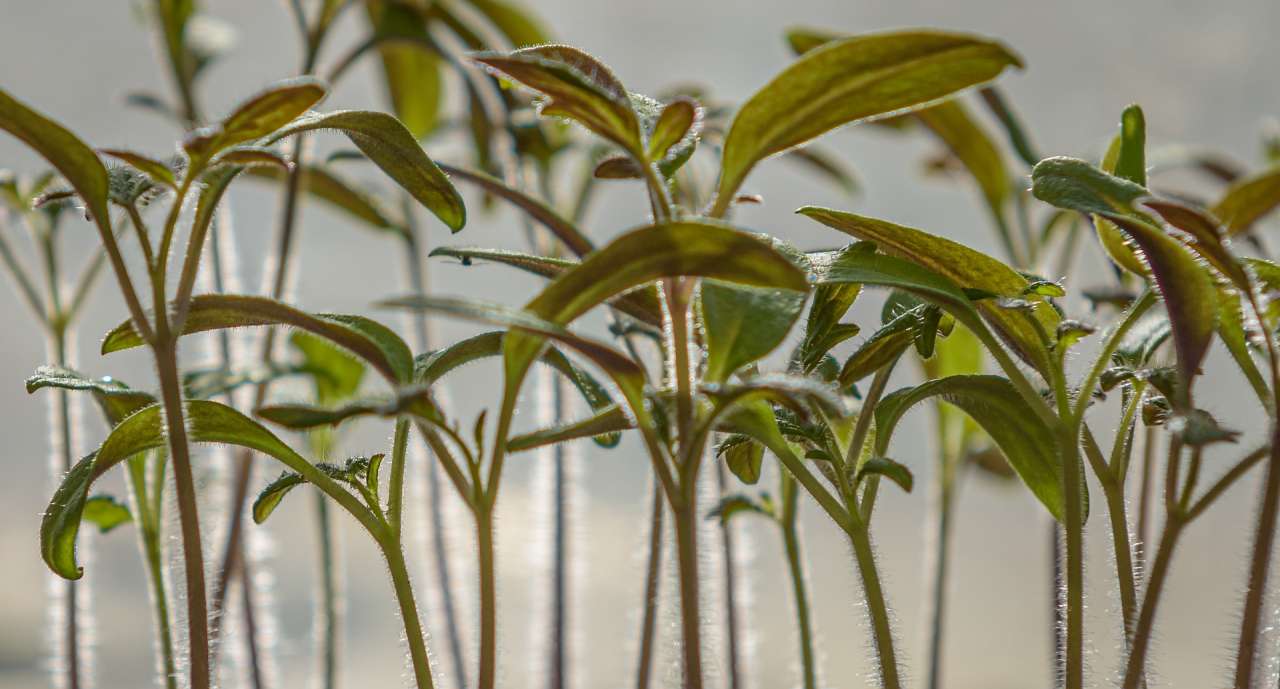
"Tomato seedlings can be gently teased out and potted on to small pots once they have formed their first 'true' leaves as seen here. The initial seedling leaves are more rounded but the 'true' leaves have a more wavy, indented look to them. When potting, use small pots initially, preferably 7cm diameter pots, fill with compost and dib a fairly deep hole in the compost using the back of a pencil or something. You're aiming to be able to drop the tomato seedling in so that just a small part of the stem and the leaves is exposed above the soil. It's also worth noting that when handling seedlings you should do so, by gently holding them by the leaves and not the stem as this is fragile and can break, ruining your seedling. Once you have dropped your seedling into its hole, just tap the pot on the table for the soil to fall in around the seedling stem. Don't 'firm' in as this is unnecessary and may damage your seedling or compact the compost around it too much. Give it a light watering and plenty of light until you are ready to pot on again" - Richard. Image of tomato seedlings by Andreas Gellner from Pixabay
Cultivation & Care
- Support – Most tomatoes are either cordon or bush types. Cordon varieties grow tall and need support from canes or strings and require side shoots to be removed regularly. Bush varieties are more compact, require minimal support and do not need side shooting.
- Watering – Tomatoes need consistent watering to prevent problems such as split fruit and blossom end rot. Water regularly at the base of the plant and avoid wetting the leaves. Irregular watering is one of the most common causes of poor fruit quality.
- Feed – Once flowers appear, tomatoes should be fed weekly with a high-potassium fertiliser such as tomato feed. Container-grown plants rely entirely on feeding and should not be allowed to dry out or exhaust their nutrients.
- Pest & Disease Control – Good ventilation under cover is essential to prevent fungal diseases such as blight and grey mould. Outdoor tomatoes are particularly vulnerable to blight in wet summers, so choosing blight-resistant varieties and removing affected material promptly can help reduce losses. It's also good as the plants become larger, to remove some of the lower leaves to reveal a good 15-30 cm of bare stem. This allows for much better air circulation arpund teh base of the plant.
- Pruning – For cordon varieties, remove side shoots regularly and pinch out the growing tip once 5–6 trusses have formed to help the plant focus energy on ripening fruit.
Harvest and Storage
Tomatoes are ready to harvest when fully coloured and slightly soft to the touch. Regular picking encourages further fruiting. In late summer, green tomatoes can be harvested and ripened indoors if conditions deteriorate.
Tomatoes are best used fresh but can also be cooked, frozen or preserved as sauces, chutneys or passata. Store fresh tomatoes at room temperature rather than in the fridge to maintain flavour.
Culinary Use
Fresh tomatoes are incredibly versatile and can be eaten raw in salads, roasted, grilled, or used as the base for sauces, soups and stews. Different varieties lend themselves to different uses, from sweet cherry tomatoes for salads to larger beefsteak types for slicing and cooking.
Recipe – Simple Roast Tomatoes
This easy recipe is adapted from a classic BBC Good Food method and is ideal for using up a glut of ripe tomatoes.
Ingredients
500g ripe tomatoes
2 tbsp olive oil
1 garlic clove, finely sliced
Salt and black pepper
Fresh herbs such as thyme or basil (optional)
Method
- Preheat the oven to 180°C (160°C fan).
- Halve or quarter the tomatoes depending on size and place in a roasting dish.
- Drizzle with olive oil, add garlic, seasoning and herbs if using.
- Roast for 30–40 minutes until softened and slightly caramelised.
- Serve as a side dish, toss through pasta, or use as a base for sauces.
Nutritional Information
According to Bord Bia, the Irish Food Board:
Per 100g serving
- Calories – 14 kcal
- Protein – 0.5g
- Carbohydrate – 3.0g
- Fat – 0.1g
- Fibre – 1.0g
Tomatoes are a good source of vitamin C and potassium and containa lycopene, a powerful antioxidant linked to a range of health benefits. To get the most out of a tomato and be able to absorb the lycopene you will need to cook them with olive oil or have them sit coated in olive oil for a while before eating.