

Peppers & Chillies
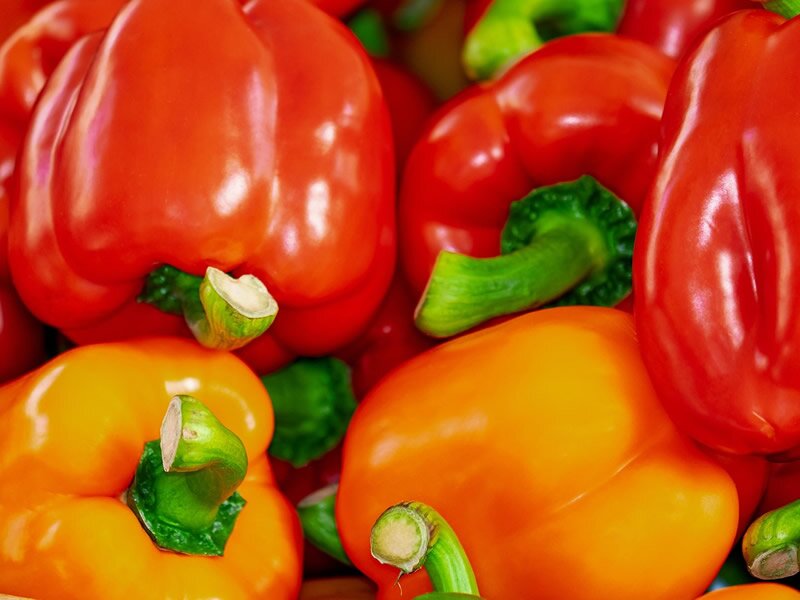
Peppers and chillies are increasingly popular crops for home growers, offering a huge range of flavours, colours and heat levels that are rarely matched by shop-bought produce. While they need warmth and a long growing season, both sweet peppers and chillies can be grown very successfully in Ireland with a little care.
Because they originate from warmer climates, peppers and chillies are best grown under cover in greenhouses, polytunnels or sunny windowsills. Like tomatoes, they need to be started early from seed to allow enough time for flowering and fruiting during our relatively short summers.
Whether you prefer sweet, mild peppers or fiery chillies, growing your own opens up a wide choice of varieties and the satisfaction of harvesting vibrant, flavour-packed fruit.
How to grow Peppers & Chillies
- Soil and Site – Peppers and chillies thrive in fertile, free-draining compost and require plenty of warmth and light. Under cover, grow them in large pots or growbags using a good quality multipurpose or loam-based compost enriched with organic matter. Choose the brightest, warmest position available, as light levels directly affect flowering and fruit set.
- Sowing – Sow seeds indoors from late January to early March. If sowing in late January you will really need a grow-light to put them under once germinated, otherwise, if you're relying on a sunny windowsill, save sowing until late February. Use seed trays or modules filled with fine seed compost and lightly cover the seed. A warm environment is essential, with an ideal germination temperature of 20–25°C so you really need a good heated propagator, heat bench or heat matt . Germination can be slow, particularly with chillies, sometimes taking up to 2–3 weeks.
- Potting On & Planting Out – Once seedlings develop their first true leaves, pot them on into individual pots. Plants can be moved to their final containers or greenhouse beds from late May onwards (or more often June depending on the weather), once night temperatures are consistently above 10°C. Harden off gradually before any exposure to outdoor conditions.
- Spacing – Space plants approximately 40–50cm apart. One healthy plant can produce numerous fruits over a long harvesting period. If growing in containers provide at least a 30cm diameter pot with at least 30cm depth, preferably larger.
Cultivation & Care
- Support – Although more compact than tomatoes, many pepper and chilli plants benefit from light support as fruit develops. A short cane or stake can prevent plants from toppling once laden with fruit. Once your pepper plants are about 8-12 inches high and have a good few leaves, it is often a good idea to pinch the top of the plant off. This seems harsh but the plant will then branch out more and become more stable and bushy (for holding all those fruits!) rather than growing tall and gangly.
- Watering – Water regularly but avoid waterlogging. Plants should be kept evenly moist, particularly during flowering and fruiting. Inconsistent watering can cause flowers or young fruits to drop.
- Feed – Begin feeding once flowers appear, using a high-potassium fertiliser such as tomato feed. Feed weekly throughout the fruiting season to encourage good yields and flavour.
- Pest & Disease Control – Under cover, peppers and chillies can be affected by aphids, red spider mite and whitefly. Regular inspection, good airflow and maintaining humidity can help reduce problems. Remove affected growth promptly if pests appear.
- Temperature & Ventilation – Warmth is key to success, but good ventilation is equally important to prevent fungal diseases. Vent greenhouses on warm days, avoiding cold draughts.
Harvest and Storage
Peppers and chillies can be harvested from mid-summer through to early autumn. Sweet peppers are often picked green but will develop red, yellow or orange colours if left to ripen fully, improving sweetness and flavour. Chillies can be harvested green or fully ripe depending on the variety and intended use.
Fresh peppers are best used straight away but can be frozen or roasted and preserved. Chillies can be dried, frozen whole, or stored in oil or vinegar for longer-term use.
Culinary Use
Sweet peppers are excellent raw in salads, roasted, grilled or stuffed, while chillies add heat and depth to a wide range of dishes. Home-grown chillies often have a much more intense flavour than shop-bought ones, so a little can go a long way.
Recipe – Simple Stuffed Peppers
This recipe is adapted from a classic BBC Good Food method and works well with home-grown sweet peppers.
Ingredients
4 large peppers
2 tbsp olive oil
1 small onion, finely chopped
1 garlic clove, crushed
150g cooked rice or couscous
Salt and black pepper
Optional: herbs, grated cheese or cooked vegetables
Method
- Preheat the oven to 180°C (160°C fan).
- Slice the tops off the peppers and remove seeds.
- Heat olive oil in a pan and gently cook the onion and garlic until soft.
- Mix with cooked rice or couscous, seasoning and any optional ingredients.
- Stuff the mixture into the peppers and place in a baking dish.
- Bake for 35–40 minutes until the peppers are tender.
Nutritional Information
According to Bord Bia, the Irish Food Board:
Per 100g serving
- Calories – 15-23 kcal
- Protein – 0.8g
- Carbohydrate – 2.6-4.6g
- Fat – 0.2-0.3g
- Fibre – 1.0g - 2.2g
Peppers are an excellent source of vitamin C and also provide vitamin A, Vitamin B6 and antioxidants. Chillies contain capsaicin, which contributes to a healthy heat and is associated with a range of health benefits. Peppers are also high in folate which contributes to normal function of the immune system and reduces tiredness and fatigue.