

Aubergines
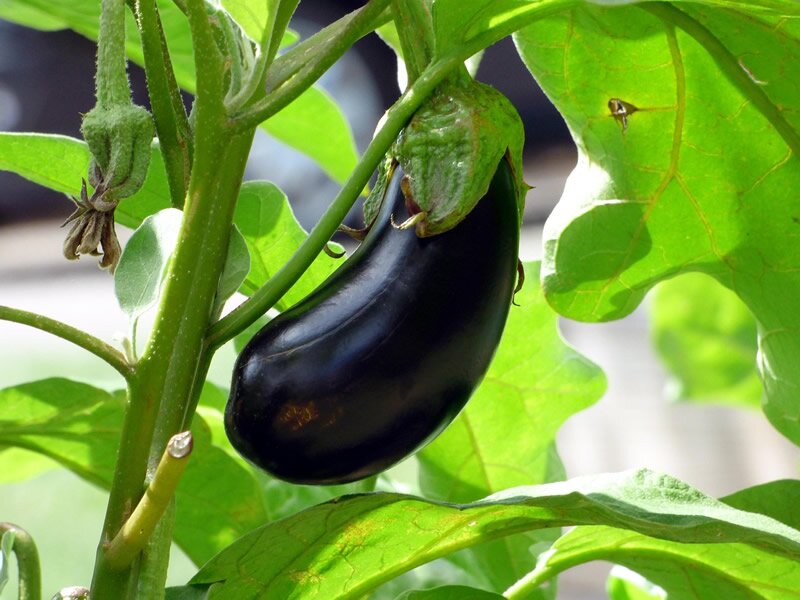
Aubergines (also known as eggplants) are a rewarding but slightly more demanding crop to grow, producing glossy, richly flavoured fruits that are a staple of many Mediterranean and Middle Eastern dishes. While they require warmth, light and a long growing season, aubergines can be grown successfully in Ireland under the right conditions.
Because aubergines originate from much warmer climates, here they need to be grown in greenhouses or polytunnels and should be started early from seed. With careful attention to temperature and feeding, home-grown aubergines can rival those found in shops for flavour and freshness.
Although yields may be lower than in hotter climates, the quality of fruit produced makes the effort worthwhile. As with tomatoes and peppers, these plants need a long time in warm conditions (either indoors or on a heat matt or bench) and don't usually get planted out into their final greenhouse/tunnel pots or beds until June, so this is something to consider in terms of space and light availability before embarking on growing these plants.
How to grow Aubergines
- Soil and Site – Aubergines thrive in fertile, free-draining compost and require a warm, bright growing position. Under cover, they are best grown in large pots, growbags or directly into greenhouse borders enriched with plenty of organic matter. Consistent warmth and light are key to successful flowering and fruiting.
- Sowing – Sow aubergine seeds indoors from late January to early March. Use seed trays or modules filled with fine seed compost and lightly cover the seed. Maintain a warm temperature of 22–25°C for reliable germination, which can take 10–21 days. A heated propagator or warm indoor location is strongly recommended. If you are starting seeds off in January or early February we strongly recommend the use of a grow light once the seeds have germinated. These are readily available now and LED grow lights have become fairly inexpensive and energy efficient. If you don't have a grow light, and are relying on a sunny windowsill, we suggest you hold back sowing until late February, when there is a little more light as this will prevent getting off to a bad start with leggy, weak plants. If it is still very cold in late Feb. its also worth bringing your seedlings further into the room and away from windowsills at night, as this can often be the coldest part of the house. You can then pop them back on the windowsill in the morning to get the benefit of the sun.
- Potting On & Planting Out – Once seedlings have developed their first true leaves, pot them on into individual pots. Grow on under warm, bright conditions. Aubergines can usually be hardened off in late May and planted into their final containers or greenhouse beds from June onwards, once night temperatures remain consistently above 10–12°C.
- Spacing – Space plants approximately 45–60cm apart. Due to Irish conditions, each plant will typically produce a smaller number of fruits, but of excellent quality. You can also grow these in containers but be sure to use a pot at least 30cm in diameter and depth (preferably more).
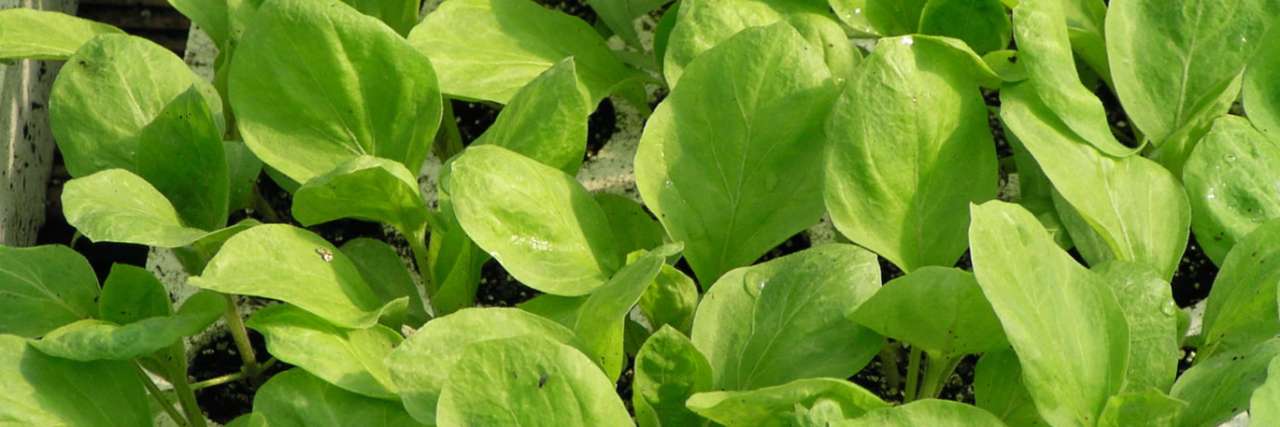
"Above you can see some very healthy aubergine seedlings, which have much more rounded, paddle-like leaves than the likes of tomatoes or chillies. I have to be honest and say that have had little success in getting much fruit from aubergine plants as the flowers tend to die off before the fruit sets properly. I plan to start them off early under a grow-light this year and make more of an effort to keep on top of feeding once the flowers appear which I'll then pollinate by hand (using a small paintbrush or similar), so I'll let you know how it goes...My advice to those growing aubergines for the fist time is to keep your expectations low but if you master the art then the rewards should be great. Also if you do master growing aubergines - particularly here in the west, please tell me how... " - Richard.
Cultivation & Care
- Support – Aubergine plants often need support as fruits develop. A short cane or stake will help prevent stems snapping under the weight of the fruit.
- Watering – Water regularly to keep compost evenly moist, particularly during flowering and fruit development. Avoid allowing plants to dry out completely, as this can cause flowers to drop.
- Feed – Once flowers appear, feed weekly with a high-potassium fertiliser such as tomato feed. Consistent feeding is essential for good fruit development, especially for plants grown in containers.
- Pest & Disease Control – Under cover, aubergines can be affected by aphids, red spider mite and whitefly. Good airflow, regular inspection and maintaining adequate humidity can help keep problems under control. Remove affected growth promptly if pests are detected.
- Temperature & Ventilation – Aubergines require warmth but still need good ventilation to prevent fungal diseases. Vent greenhouses on warm days while avoiding cold draughts.
Harvest and Storage
Aubergines are ready to harvest when the fruits are glossy, firm and fully coloured. Over-mature fruits become dull and can develop a bitter taste. Harvest regularly by cutting the fruit with a sharp knife or secateurs.
Aubergines are best used fresh but can be stored for short periods in a cool place. They can also be grilled, roasted or cooked and then frozen for later use.
Culinary Use
Aubergines are extremely versatile and are particularly well suited to grilling, roasting and slow cooking, where their flesh becomes soft and creamy. They absorb flavours readily, making them ideal for curries, stews, pasta dishes and classic Mediterranean recipes.
Recipe – Aubergines Preserved in Olive Oil
Now this is a recipe I picked up in Australia from an Italian restaurant owner and I think it's a great way to preserve aubergines and provide you with a tasty snack you can dip into any time - just slathered on a slice of fresh bread, these slices of eggplant are delicious...Now the amounts will vary according to the variety and size of aubergine you are going but here's a rough guide:
Ingredients
About a kilo of aubergines (for about 4 medium jars or 1-2 large Kilner jars, which I use)
Sea Salt (2-4 tablespoons - enough to sprinkle over the aubergine slices)
4 garlic clove, crushed and finely chopped
1tsp chilli flakes or 1-2 fresh chillies of your choice, finely chopped.
Black pepper
1-2tsp of dried herbs - use one or more of oregano, thyme, parsley, tarragon, depending on your taste - my 'go to' is dried oregano.
500ml white wine vinegar.
400ml water.
A bottle of good quality extra virgin olive.
Method
- First remove the top and bottom of the aubergine and slice to about 1 cm thick. Start layering the slices in a colander, adding salt between each layer, then once you have them all stacked up, put an upturned plate on top and add some sort of weight. The salt is there just to draw as much liquid out as possible, whilst the weight squeezes down on the layers to force the liquid out more easily. Leave these overnight for best results.
- The next day you need to discard the extracted liquid and rinse all of the salt off the slices of aubergine, patting them dry with a paper towel (or a clean linen-free tea towel).
- To cook the aubergine, I then grill them for about a minute on each side on a high heat until they are slightly browned. Then allow them to cool. (Some cook them in the boiling pickling liquid but I think this makes them too mushy and the grilling adds a slight smokey taste).
- Mix the vinegar and water together in a bowl (some prefer to do this in a pot and bring to the boil on the stove - this essentially sterilises the liquid - I don't tend to bother but it depends on how much faith you have in your water supply - if in doubt, boil and allow to cool). You then need to soak your aubergine slices in the vinegar mix. I have also doon this by just adding straight white wine vinegar on a large plate and pressing each side of the slices into the vinegar to soak it up.
- Mix up the garlic, chillies and chosen herbs with enough olive oil to make a spreadable mix.
- You then need to lay an aubergine slice down and spread some of the garlic, chilli herb mix across it. Add another slice on top and repeat. Keep repeating this, in batches of a few slices until you have all your aubergine slices sandwiched with the herb mix. You can then start to pack these into your sterilised jars - leaving about 2cm free between the lid and the packed aubergines.
- Once you have your jars packed, pour olive oil over them making sure the aubergine slices are all submerged, then seal your jars.
- You may want to just check 4-5 hours later to make sure the aubergines are still submerged by the oil and if not top them up.
- Your sealed jars need to then be stored in a cool dark place, like a pantry cupboard. Leave them for at least a week before opening to allow the flavours to absorb. They should store like this for months but once opened they should be used within 3 days. If for any reason you see any mold, discard them straight away.
Nutritional Information
According to Bord Bia, the Irish Food Board:
Per 100g serving
- Calories – 15 kcal
- Protein – 0.9g
- Carbohydrate – 2.2g
- Fat – 0.4g
- Fibre – 2.0g
Aubergines are low in calories and a good source of fibre and contain antioxidants such as nasunin, which is found in the skin and is associated with cell protection.