

Leeks
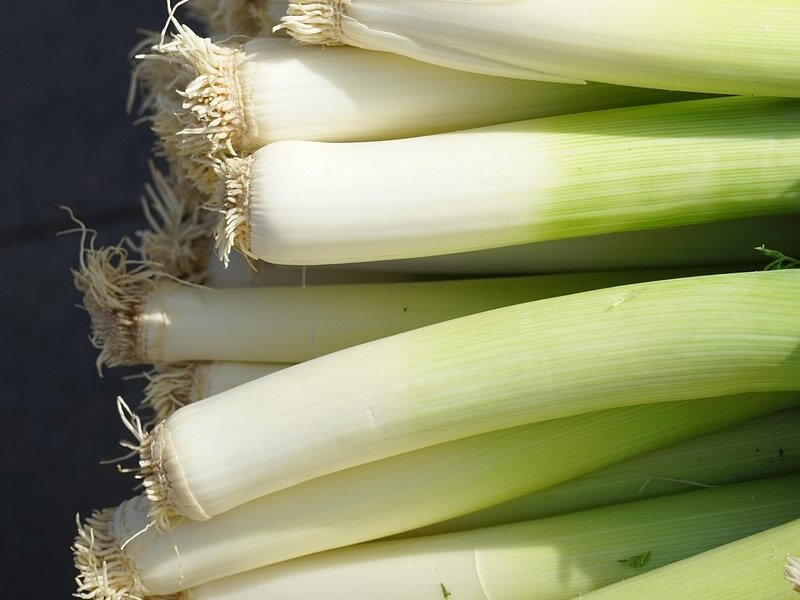
Leeks are a hardy and dependable crop that thrive in the cool, damp conditions typical of the Irish climate. While they take longer to reach harvest than many vegetables, leeks reward patience with a long harvesting window and excellent winter hardiness.
Leeks are most commonly grown from seed and, with careful timing, can provide harvests from late summer right through winter and into early spring. An early sowing can be made in February if suitable indoor space and ongoing protection are available.
How to grow Leeks
- Soil and Site – Leeks prefer a fertile, moisture-retentive soil in an open, sunny position. Incorporate plenty of well-rotted compost or organic matter before planting to support their long growing season.
- Sowing – Early Sowing – Summer and autumn varieties of Leek seed can be sown indoors from February if you have a propagator, heated greenhouse or warm windowsill. This early sowing is only suitable if plants can remain under protection (greenhouse, polytunnel or covered cold frame) for the first 8–10 weeks before planting out (around mid-April)
- Main Sowing – For most growers, sowing from March to April is more practical. Seeds can be sown indoors or in a cold greenhouse without heat. Autumn and winter varieties can be sown in mid March in modular trays placed in a propagator with transplanting around mid-May. Late winter varieties can be sown in modular trays and planted out in early June.
- Sowing Method – Sow seeds thinly in trays or modules and lightly cover with compost. Germination usually takes 10–14 days.
Growing On & Planting Out
- Growing On – Seedlings should be grown on steadily, kept well-lit and watered, but not overfed. Plants are ready to plant out when they are about pencil-thick.
- Planting Out – Leeks are usually planted out from May to June, once the risk of hard frost has passed. Harden plants off gradually before planting.
- Planting Technique – Make holes around 15–20cm deep and 15cm apart, with rows spaced about 30cm apart. Drop plants into the holes and water well; do not backfill with soil. This encourages long white stems.
Cultivation & Care
- Watering – Water regularly during dry spells, particularly in summer. Consistent moisture helps prevent plants becoming tough.
- Feed – Leeks benefit from occasional feeding during the growing season, especially on lighter soils. A balanced liquid feed every few weeks can be beneficial.
- Weed Control – Keep beds weed-free, especially while plants are establishing. Leeks compete poorly with weeds early on.
- Earthing Up – Gradually drawing soil up around the stems during the season helps blanch them and improves quality.
- Pest & Disease Control – Leek moth and rust can be issues. Good spacing, crop rotation and airflow help reduce problems.
Harvest and Storage
Leeks can be harvested from late summer onwards, depending on sowing time and variety. Many varieties are winter-hardy and can be left in the ground and lifted as needed.
In very cold weather, leeks can be lifted and heeled into sand or soil in a sheltered spot, though most will tolerate typical Irish winters without protection.
Culinary Use
Leeks have a mild, sweet onion flavour and are a staple of winter cooking. They are commonly used in soups, stews, pies and gratins, and pair particularly well with potatoes and cream-based dishes.
Recipe – Classic Leek & Potato Soup
This is a simple recipe that can easily be adapted to taste by adding different herbs (or as I like to do, fry some chopped, smoked bacon in the pot before adding the butter and the vegetables....)
Ingredients
55g butter
3 leeks sliced
1 onion, diced
225g potatoes cut into 2cm cubes
850ml vegetable stock (or chicken stock if you prefer)
150ml single cream
Vegetable stock
2tbsp of chopped chives
Salt & Pepper
Method
- Melt the butter in a saucepan on a medium heat and add the leeks, onion and potatoes then sauté gently until the leeks are softened but not brown.
- Add the stock and bring to the boil, reduce heat and simmer, covered for 15 minutes so that the potatoes are tender, then allow to cool a little.
- Transfer to a blender or food processer and blend to a puree (in batches if necessary)
- Return to the pan and reheat gently adding salt and pepper to taste.
- Ladle in to bowls and add a swirl of cream and some chopped chives to garnish.
If you like a more chunky soup, you can skip the blending and just continue to cook the soup gently until the potatoes break down and thicken the soup to the desired consistency. This is also lovely with the addition of thyme or rosemary during the simmering process.
Nutritional Information
According to Bord Bia, the Irish Food Board:
Per 100g serving
- Calories – 22 kcal
- Protein – 1.6g
- Carbohydrate – 2.9g
- Fat – 0.5g
- Fibre – 2.2g (NSP)
Leeks provide fibre, vitamin C and are high in folate and vitamin B6, which contributes to the reduction of tiredness and fatigue and contributes to digestive and immune health.