

Parsnips
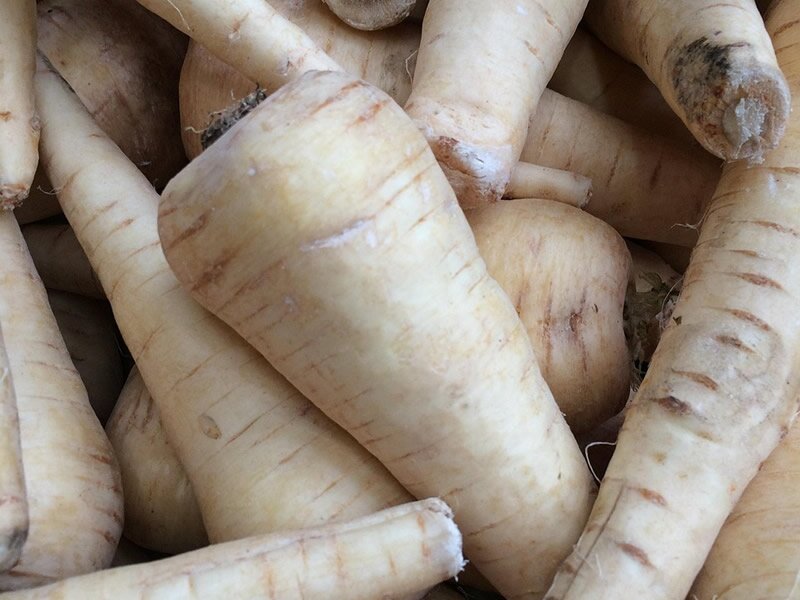
Parsnips are a traditional root crop well suited to Irish growing conditions, producing sweet, flavourful roots that improve after exposure to frost. While they are usually sown directly outdoors, early sowing must wait until soil has begun to warm – typically from March onwards in most parts of Ireland.
Parsnip seed is known for irregular germination, but there are methods to improve reliability and gain an earlier start under protection. It's also worth noting that Parsnip seeds are only viable for 1 year, so there's no sense in trying to save any of your seeds bought this year for next season as they won't keep. The beauty of parsnips is that they store well in situ and so you only need to pull them as you need them, so there's no need for successional sowing.
How to grow Parsnips
- Soil and Site – Parsnips prefer deep, stone-free, well-drained soil in a sunny position. Avoid freshly manured ground, which can cause forking - especially if the manure has been dug into the soil.
- Direct Sowing – Sow outdoors from March onwards once soil has warmed slightly. Sow thinly, 1cm deep, in rows spaced 30–40cm apart.
- Starting Indoors (Cardboard Tube Method) – To overcome unreliable germination and gain an early start, parsnips can be sown indoors. Cut cardboard toilet roll tubes in half and stand them upright in a seed tray. Fill with compost, sow 2–4 seeds per tube, cover with 1cm of compost, water and place in a warm room. Check occasionally to make sure the compost stays moist.
- Once germinated, thin to the strongest seedling per tube. When outdoor soil conditions improve, plant out the entire tube without disturbing the roots. The cardboard will naturally break down in the soil.
- One thing to note about germination is that Parsnip seeds can take around 4 weeks to germinate so its good to be patient and not think they have failed if nothing is seen in the first couple of weeks.
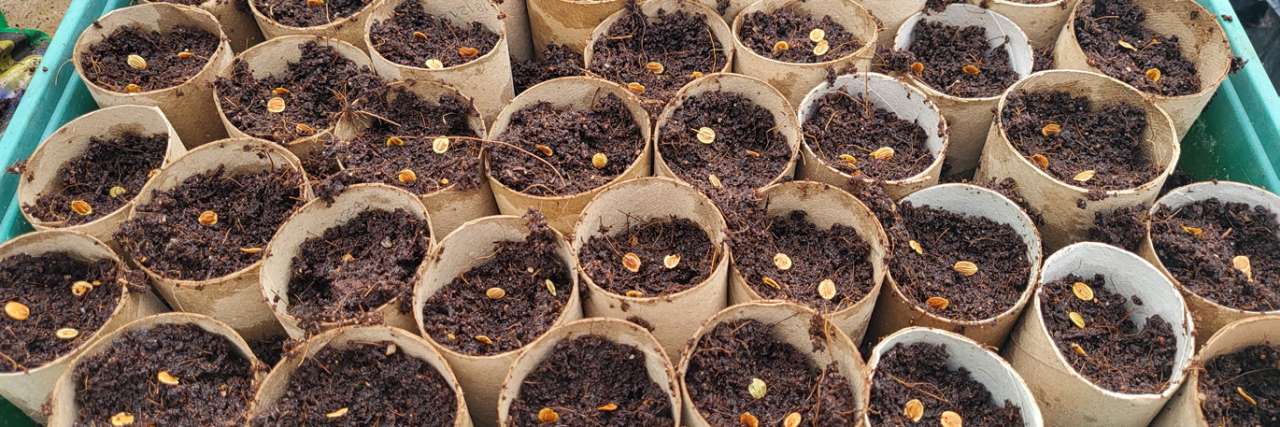
"You can start your Parsnip seeds off early in cardboard tubes to keep an eye on germination and then plant out only those that have successfully germinated later in March when the soil has warmed up. As you can see above I added two or three seeds to each tube laid out in a tray, which I started on 08 February. I then covered these with about 1cm of compost, to the top of each cardboard tube and have placed them in a warm room in the house, where I'll just check occasionally to make sure the compost remains moist. Hopefully I should have at least one successfully germinated plant per tube that I'll be able to plant out once the soil is warm enough. This way I can space them well and I won't have any gaps in the final bed where seeds may have otherwise failed from direct planting." - Richard.
Cultivation & Care
- Thinning – Thin direct-sown seedlings to around 15–20cm apart.
- Watering – Keep soil moist during dry spells to encourage steady root growth.
- Weed Control – Keep rows weed-free, especially early on.
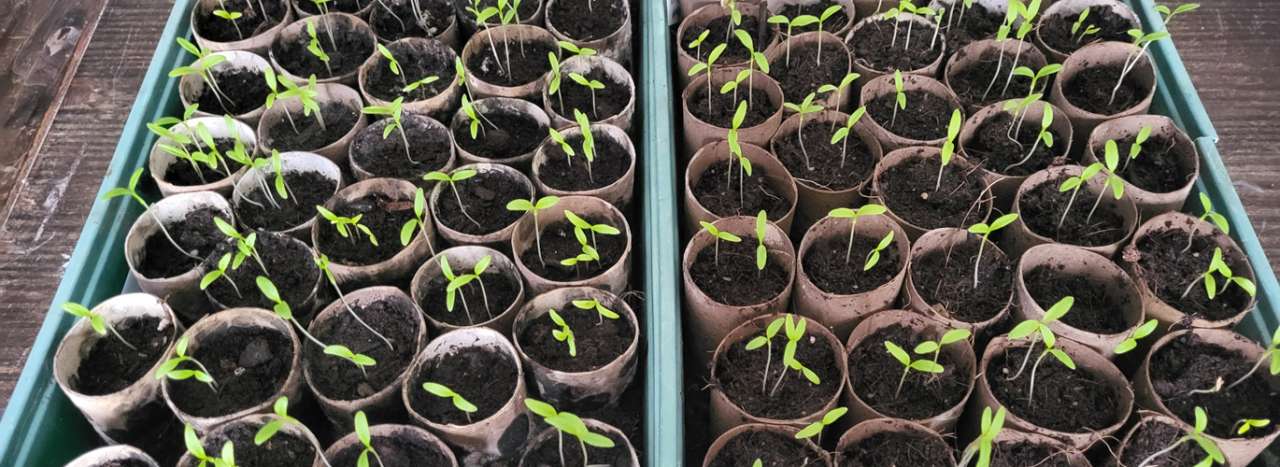
"As you can see above the parsnip seeds sown on the 8th February have germinated with pretty much 100% success within just 2 weeks - this photo taken on 22nd February. I will now thin these to just 1 seedling per tube and these can then be planted out as soon as the soil is warm enough. This makes germination more predictable and enables good spacing when transplanting without the need for later thinning of seedlings" - Richard.
Harvest and Storage
Harvest from late autumn onwards. Frost improves flavour. Roots can remain in the ground over winter and lifted as needed.
Culinary Use
Parsnips have a naturally sweet, earthy flavour that intensifies after frost. They are commonly roasted, mashed, added to soups or used in stews. Young, smaller roots tend to be sweeter and less woody.
Recipe – Honey Roasted Parsnips
Adapted from a Bord Bia seasonal recipe.
- Peel and cut parsnips into batons.
- Toss with olive oil, honey, salt and thyme.
- Roast at 200°C for 30–40 minutes until golden.
Nutritional Information
According to Bord Bia, the Irish Food Board:
Per 100g serving
- Calories – 66 kcal
- Protein – 1.6g
- Carbohydrate – 12.9g
- Fat – 1.2g
- Fibre – 4.7g (NSP)
Parsnips are a good source of fibre, potassium and folate.
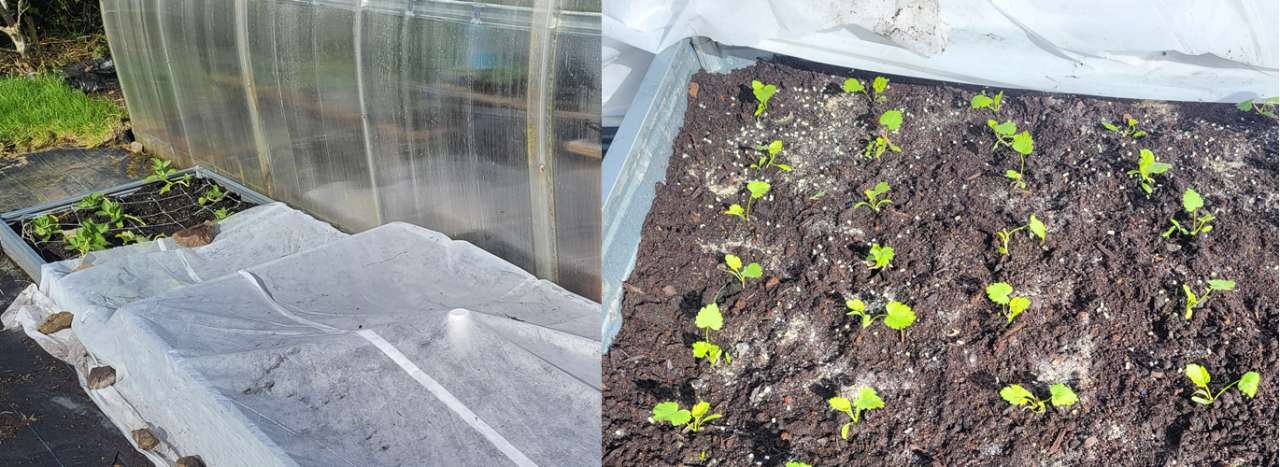
"27 March 2026 - the parsnips I started off in those cardboard tubes are now growing on quite happily outside despite the poor weather, having been out now for about 2 weeks. I did offer some protection with fleece (to the left) as you can see but the beauty of using the method of starting seedlings off indoors, using those cardboard toilet roll inners I saved, is that I can then space them perfectly and without gaps from seeds that have failed to germinate (to the right)" - Richard.