

Asparagus
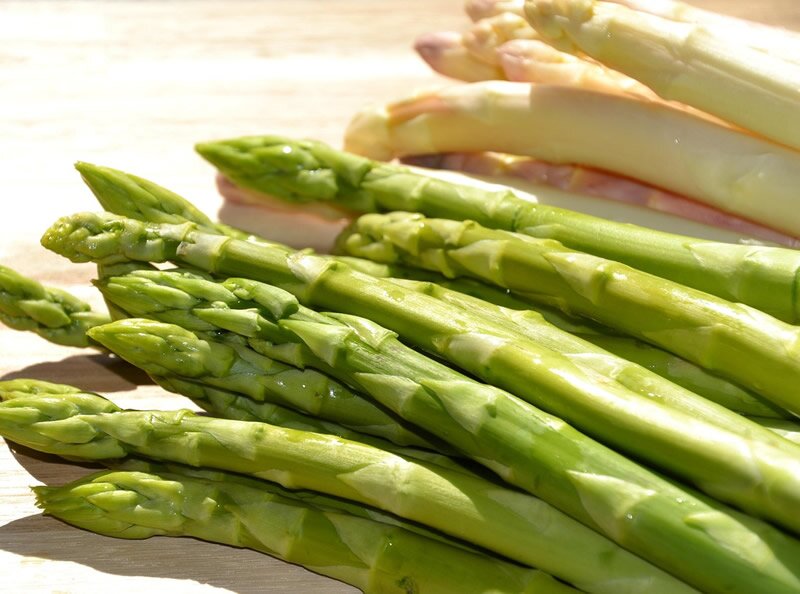
Asparagus is a long-term investment in the vegetable garden, but once established it is one of the most rewarding perennial crops you can grow. A well-prepared asparagus bed can produce tender spears every spring for 15–20 years or more.
Unlike most vegetables, asparagus is either grown from seed (which requires patience and at least two to three years before harvesting) or from one-year-old crowns, which are more commonly purchased and planted to shorten the waiting time. In Irish conditions, crowns are typically planted from March to April once soil conditions allow.
Although it requires space and preparation, once established asparagus needs relatively little attention and will reliably return each spring.
How to grow Asparagus
- Soil and Site – Asparagus requires a permanent, well-drained site in full sun. It dislikes waterlogged soil, so improving drainage is essential on heavier ground. Incorporate plenty of well-rotted compost or manure the autumn before planting. Because the bed will remain in place for many years, thorough preparation is worthwhile.
- Growing from Crowns – This is the most common method. Plant one-year-old crowns in March or April. Dig trenches approximately 20cm deep and 30cm wide. Form a small ridge in the base of the trench and spread the roots of the crown evenly over it. Space crowns 30–45cm apart, with 60-90cm between rows. Cover initially with around 5cm of soil, gradually filling the trench as shoots grow.
- Growing from Seed – Sow seed indoors in modules from February to April at around 18°C. Seedlings should be grown on carefully and planted out into a nursery bed in early summer. These will be grown on for at least a year before moving to their permanent position. Seed-grown plants typically require an additional year before harvesting compared to crowns.
- Crop Rotation – Asparagus occupies a bed long-term and therefore sits outside normal rotation. Choose its position carefully, as it will not be moved for many years.
Cultivation & Care
- Watering – Water well during establishment and in dry spells, particularly during the first two seasons.
- Feed – Apply a balanced fertiliser in early spring before growth begins. An annual mulch of compost helps maintain fertility.
- Weed Control – Keep beds meticulously weed-free, especially while plants are young. Avoid deep hoeing which may damage crowns.
- Frost Protection – Young emerging spears may be damaged by late frost. Cover with fleece if frost is forecast.
Harvest and Storage
Do not harvest in the first year after planting crowns. In the second year, take only a very light harvest over two to three weeks. From the third year onwards, spears can be harvested for around 6–8 weeks in spring.
Cut spears when they are approximately 15–20cm tall. After the harvest period ends, allow foliage to grow fully to feed the crown for the following year. In autumn, once foliage has yellowed, cut it back to ground level.
Asparagus is best eaten fresh but can be stored in the fridge for a few days wrapped in damp paper.
Culinary Use
Fresh asparagus is one of spring’s highlights. It can be steamed, grilled, roasted or lightly blanched and served with butter, lemon or hollandaise sauce. It pairs well with eggs, fish and light pasta dishes.
Recipe – Asparagus with Hollandaise
Adapted from a traditional French method.
Ingredients
1 bunch fresh asparagus
2 egg yolks
100g melted butter
1 tsp lemon juice
Salt and white pepper
- Steam asparagus until just tender.
- Whisk egg yolks gently over a bain-marie.
- Slowly drizzle in melted butter while whisking until thickened.
- Add lemon juice and seasoning. Serve over asparagus.
Nutritional Information
According to Bord Bia, the Irish Food Board:
Per 100g serving
- Calories – 25 kcal
- Protein – 2.9g
- Carbohydrate – 2g
- Fat – 0.6g
- Fibre – 1.7g
Asparagus is a source of folate and vitamin C.