

Celery
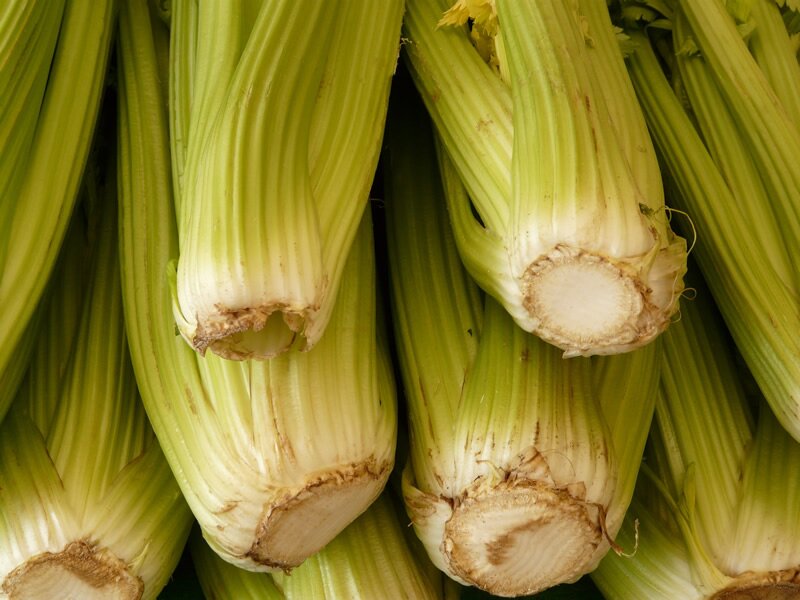
Celery is a rewarding but slightly more demanding crop, grown for its crisp, aromatic stems. It requires a long growing season and consistent moisture, making early sowing essential for good results.
In Irish conditions, celery benefits greatly from being started indoors early and grown in fertile, moisture-retentive soil.
Types of Celery
- Trench Celery – Traditional types requiring earthing up for blanching, which is rarely done these days.
- Self-Blanching Celery – Easier to grow, less need for earthing up and the most common celery type grown
- Cutting Celery – Grown more like a herb for leaves and stems to add to salads, soups and stews.
Growing Conditions
- Soil: Deep, fertile, moisture-retentive soil rich in organic matter
- Light: Full sun or light shade
- Water: Requires consistently moist soil
- Spacing: 30–40 cm between plants
- Rotation: Celery is part of the carrot family (umbellifers) and so should be rotated as such.
Sowing & Planting
- Early sowings can be made as early as February but seedlings do require light to germinate so you may need a grow light to get things up and running this early. Most sow their seeds in late March in a heated propagator or on a sunny, warm windowsill to get them started with further sowings made in late April and late May for continuity. Celery seeds should be surface sown on a small tray of pre-dampened compost to allow light exposure (just firm the seed down so there is good soil contact).
- Seedlings take about 2-3 weeks for germination and as soon as the seedlings are big enough to handle, prick them out and pot on to modular trays. Do this as early as possible as root disturbance later can cause failed seedlings.
- Once the seedlings are about 10cm tall and all risk of frosts has passed, these can be hardened off for a week and then planted out to their final position.
- Plant self-blanching varieties in a block rather than a row as this gives the plants more shade for the purposes of self-blanching.
Care & Maintenance
- Water regularly – celery must not dry out otherwise you'll just have fibrous and bitter stalks. Adding a good layer of mulch after planting can help retain the moisture in the soil, using well rotted manure or garden compost will also feed teh plants throughout but do keep the added mulch away from the plant stems to prevent rot.
- If growing in pots, feed fortnightly with with a balanced fertiliser during growth
- Earth up trench varieties to blanch stems if desired
Growing in Containers
- Use deep containers with rich compost
- Keep well watered at all times
- Suitable for smaller or self-blanching varieties
Harvesting
Harvest from late summer onwards. Cut entire plants or individual stems as needed but be aware that celery will only sit for around three weeks in the soil once grown so it is advised to grow small amounts in succession.
Varieties to Try
- We recommend Golden Self-Blanching as it is an easy and compact variety to grow.
- Victoria F1: Good quality stems with long standing ability.
Common Problems
- Stringy stems: Often caused by poor watering
- Bolting: Triggered by cold conditions early in growth
- Slugs: Young plants are vulnerable and may require protection.
Culinary Use
- Soups and stews
- Salads
- Stocks and bases for cooking
- Snacking with dips
Recipe – Cream of Celery Soup
Ingredients
1 bunch celery, chopped
1 onion, chopped
1 potato, peeled and diced
25g butter
750ml vegetable stock
100ml cream (optional)
Salt and black pepper
- Melt butter in a pot and gently cook the onion until soft.
- Add celery and potato, stirring for a few minutes.
- Pour in stock and simmer until vegetables are tender.
- Blend until smooth, then stir in cream if using.
- Season to taste and serve warm.
A comforting soup that makes good use of fresh celery, especially later in the season.
Adapted from traditional home-style recipes.
Nutritional Information
Per 100g serving:
Calories: 7kcal
Protein: 0.5g
Carbohydrate: 0.9g
Fat: 0.2g
Fibre:1.1g (NSP)
Celery is said to be a good source of anti-oxidants and anti-inflammatory compounds. It is also a good source of vitamins A, K and C along with minerals like potassium and folate falling low on the glycemic index.