

Onions
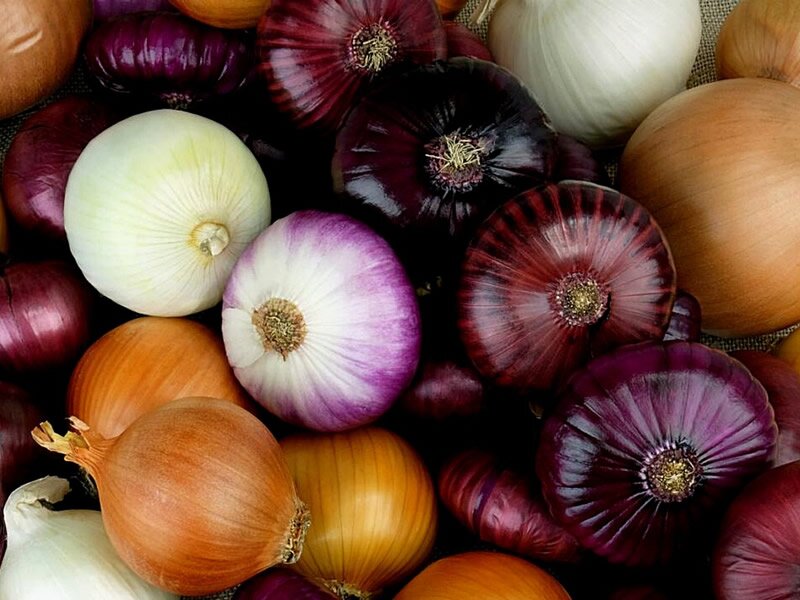
Onions are one of the most widely used vegetables in the kitchen, forming the backbone of countless savoury dishes, yet they are surprisingly easy to grow at home. Growing your own allows you to enjoy varieties with better flavour, texture and storage qualities than many shop-bought onions, while also giving you control over how they are grown.
In Ireland, onions can be grown either from seed or from sets, with seed-grown onions generally offering a wider choice of varieties and better long-term storage, while sets provide a quicker, more straightforward route for beginners. Because onions grown from seed need a long growing season, they are one of the earliest crops to be started off in late winter.
With the right start and a little patience, onions will reward you with a dependable and versatile crop that stores well through winter.
How to grow Onions
- Soil and Site – Onions prefer a free-draining, fertile soil in an open, sunny position. Heavy or waterlogged ground can cause bulbs to rot or split, so improving soil structure with well-rotted compost is worthwhile, particularly on heavier Irish soils. In terms of crop rotation, onions should ideally follow crops such as legumes or potatoes and should not be grown on freshly manured ground, as excess nitrogen encourages leafy growth at the expense of bulb formation.
- Sowing – From Seed – Onions grown from seed require an early start. Sow indoors from late January to late February in seed trays or modules using a fine seed compost. Sow thinly, lightly cover the seed and keep at around 10–15°C. Germination usually takes 10–14 days. Seedlings can be grown on indoors until they reach pencil thickness, then hardened off before planting out in April once the risk of hard frost has passed.
- Sowing – From Sets – Onion sets are small, immature bulbs and are planted directly outdoors from March to April. Push sets gently into prepared soil so that the tip is just showing above the surface. Avoid planting too deeply as this can lead to poor bulb formation. Sets are generally more forgiving than seed-grown onions and are ideal for exposed or cooler gardens.
- Spacing – Space plants 10–15cm apart with 25–30cm between rows. A 2m² bed can yield approximately 6–8kg of onions depending on variety and growing conditions.
- Crop Rotation - Onions are part of the allium family along with leeks, garlic and shallots and so this should be taken into consideration with your crop rotation. For more information on crop rotation see 'Planning Your Vegetable Patch
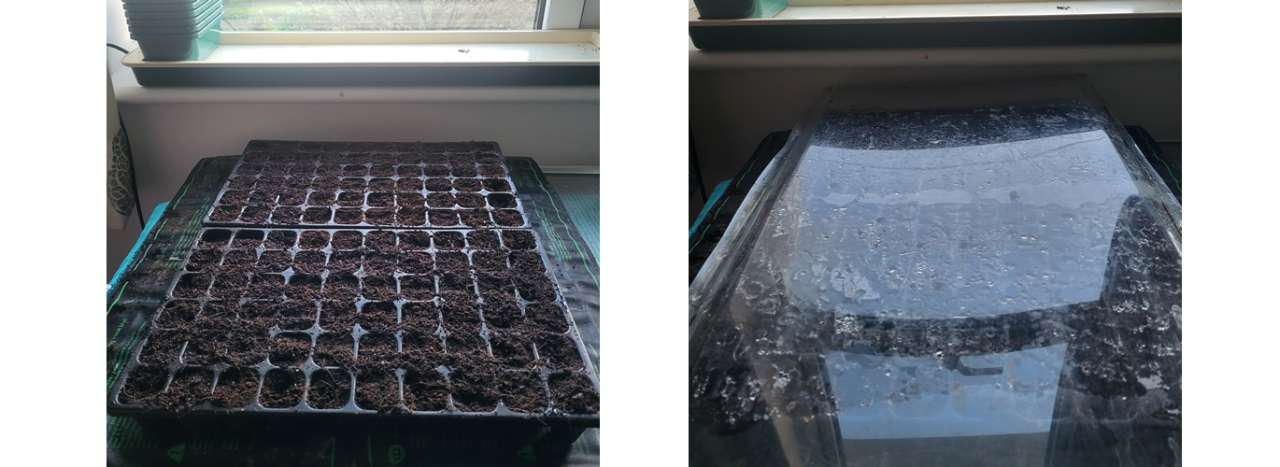
"Every year around mid-January I grow start onion seeds off on 6 x 10 modular trays, with 2-3 seeds per module, and place them on a heat matt. I then cover them with a plastic sheet, which prevents them drying out too quickly. Once most of the seeds have germinated I will then remove the plastic cover and take them off the heat mat, by which time the temperature of the room is adequate to allow them to continue to grow until mid April, when I harden the seedlings off until I plant them in their final position in late April" - Richard
Cultivation & Care
- Watering – Onions require regular watering during dry spells, particularly while bulbs are forming in late spring and early summer. Once bulbs have reached a good size, watering should be reduced to help them ripen and store better. Container-grown onions will require more frequent watering throughout the season.
- Feed – Onions are relatively light feeders. A general-purpose fertiliser can be applied before planting, but avoid high-nitrogen feeds as these promote leaf growth rather than bulb formation. If growth appears weak, a light liquid feed early in the season can help, but feeding should stop by midsummer.
- Weed Control – Onions compete poorly with weeds due to their shallow root systems. Keeping beds weed-free is essential, particularly early in the season. Regular hoeing on dry, sunny days is the most effective method.
- Pest & Disease Control – Onion fly larvae can damage bulbs, so crop rotation and covering young plants with fine mesh can help reduce the risk. Downy mildew can occur in damp conditions, particularly where airflow is poor, so good spacing and an open site are key preventative measures. Avoid growing onions on the same ground more than once every 3–4 years.
Harvest and Storage
Onions are ready to harvest when the foliage begins to yellow and topple over naturally, usually from late summer into early autumn. At this stage, gently lift the bulbs and allow them to dry on the soil surface for a few days in dry weather. If conditions are wet, move them under cover to a well-ventilated shed or greenhouse to finish drying.
Once fully cured, remove loose skins and store onions in nets, trays or plaits in a cool, dry, frost-free place. Properly dried onions can store successfully for several months.
Culinary Use
Onions are one of the most versatile vegetables in the kitchen. They form the base of soups, stews, curries and sauces, can be caramelised to bring out their natural sweetness, roasted whole, or eaten raw in salads. Different varieties lend themselves to different uses, from mild salad onions to stronger cooking onions that mellow beautifully when slow-cooked.
Recipe – French Onion Soup*
Whilst onions are used in a huge amount of recipes, this one makes the onion the star and takes it to a level of luxury, giving you a delicious and impressive winter, warming soup. The inclusion of vermouth and brandy makes this a lovely starter for a festive meal.
Ingredients (Serves 6)
1tbsp olive oil
25g butter
4-5 large onions (about 650g) thinly sliced
3 garlic loves
1tsp sugar
1tsp salt
2tbsp plain flour
150ml dry white vermouth
2 litres vegetable stock
3tbsp brandy
salt and pepper taste
for cheese croûtes
6 slices French bread
1 garlic clove, halved
225 Gruyére Cheese, grated
Method
- Heat the oil and butter over a low heat, add the sliced onions, cover and stir occasionally for about 15 minutes.
- Uncover the pan and add the chopped garlic, sugar and salt then cook on a medium heat, stirring frequently for about 30-40 minutes until the onions are a deep golden brown.
- Sprinkle the flour over the onions, stirring constantly for about 3 minutes or until you see the onions starting to become sticky/pasty then slowly our in the vermouth stirring constantly for 2 minutes.
- Gradually stir in the vegetable stock and bring to the boil - skim off any foam that rises to the surface. Reduce the heat, cover and simmer for 40 minutes
- About 10 minutes before the end of the cooking time you can prepare the cheese croûtes by toasting the slices of bread on both sides. Once toasted rub each side with the garlic, then top with the grated cheese and grill for a few minutes until melted.
- Stir the brandy into the soup, remove from heat and season with salt and pepper to taste. Ladle into warmed bowls and top each with a cheese croûte.
Notes
- If you don't have brandy and vermouth lying around you can make a simpler version by substituting the vermouth with white wine (150-250ml) and skipping the brandy altogether
- If you want a deeper, more 'meaty' flavour, you can substitute the vegetable stock for beef stock
*Adapted from a recipe found in 'Soups & Chowders' as part of the Love Food series by Parragon Books Ltd (2012)
Nutritional Information
Onions are known to have antibacterial qualities and contain anti-oxidant and and anti-cancer compounds.
According to Bord Bia, the Irish Food Board:
Per 100g serving
- Calories – 36 kcal
- Carbohydrate – 7.9g
- Protein – 1.2g
- Fat – 0.2g
Onions are a source of vitamin C, vitamin B6 and folate, and also contain beneficial plant compounds such as quercetin, which has antioxidant properties.