

Sweetcorn
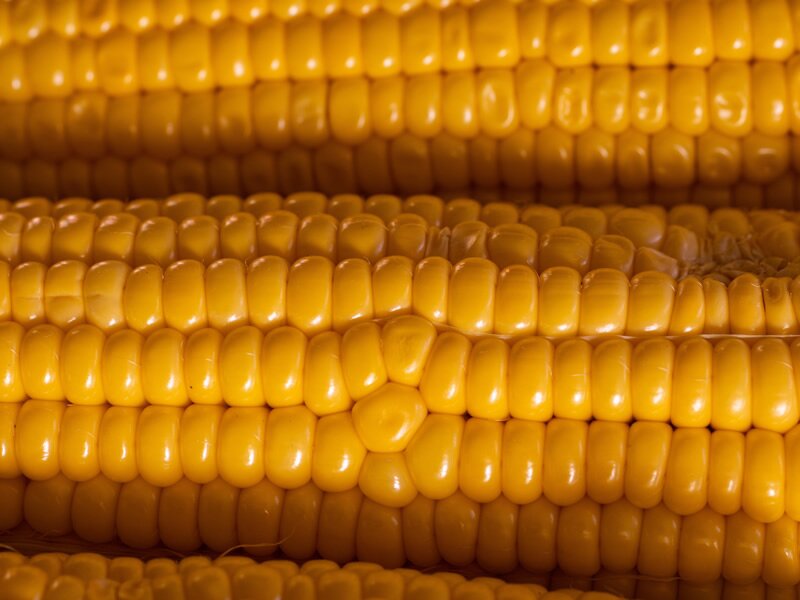
Sweetcorn (Zea mays)
Sweetcorn is a rewarding crop that produces fresh, sweet cobs far superior in flavour to shop-bought alternatives. While it requires warmth and a reasonably good summer to perform well in Ireland, it can be successfully grown outdoors in a sunny, sheltered position or under cover for more reliable results.
One of the key differences with sweetcorn is that it must be grown in blocks rather than rows to ensure proper pollination and full cob development.
Growing Conditions
- Soil: Rich, moisture retentive, fertile soil with plenty of organic matter. A generous helping of well-rotted compost is essential when preparing the ground for planting.
- Light: Full sun, ideally south facing.
- Shelter: Important – protect from strong winds
- Spacing: 30–45 cm between plants in a block formation
- Rotation: Sweetcorn isn't prone to soil borne pests or diseases and so can be grown anywhere suitable with affecting your rotation cycle.
Sowing & Planting
- Sow indoors from mid April to early May in modules or small pots (7cm), planting seeds around 2.5cm deep. They need to be around 20ºC for best germination results so a heating mat may be necessary or position on a warm, south facing windowsill.
- Hold off from planting out until June when the soil has warmed sufficiently. These will need hardening off before planting out and will benefit from some form of bionet cloche early on.
- Handle roots carefully when transplanting
Outdoor Growing
Sweetcorn can be grown outdoors in Ireland during a good summer, particularly in warm, sheltered gardens.
- Choose a sunny, sheltered location
- Plant in blocks, in a grid formation, rather than rows for effective pollination.
- Warm soil is essential for good establishment
- Use fleece or a bionet cloche early in the season if temperatures are low
Growing Under Cover (Greenhouse/Polytunnel)
Growing sweetcorn under cover can improve reliability, particularly in cooler or wetter regions.
- Provides increased warmth and protection from wind
- May produce earlier crops
- Ensure good spacing and airflow
- Be mindful of height and shading of other crops
Note: Even under cover, planting in blocks is still essential for good pollination.
Care & Maintenance
- Remove any cloche or cover before the plants reach the top.
- Water regularly, especially during dry periods
- Feed with a nitrogen-rich fertiliser early on or even better, add a shovelful of good compost/soil mix at the base of each plant.
- Keep weed-free while establishing
Harvesting & Storage
Harvest when the silks (the tassels at the top of the cob) turn brown and the kernels release a milky liquid when pressed. This is usually from late summer onwards. You can check by gently peeling away part of the sheath, squeezing a kernel and if the liquid that comes out is milky they are ready, if the juice is still clear, then wait for them to ripen further.
Varieties to Try
- Strong Star F1 – Early maturing, good for cooler climates and super sweet.
- 'Pot of Gold' F1 – Dwarf variety that is suited to more exposed sites
- Mini Pop – Early cropper that produces very small corns ideal for stir-fries
Common Problems
- Poor pollination: Leads to patchy kernels – ensure block planting
- Cold soil: Slows growth and establishment
- Wind damage: Tall plants can be exposed
Culinary Use
- Boiled or steamed
- Grilled or barbecued
- Salads and side dishes
Recipe – Grilled Sweetcorn with Butter
Ingredients
Sweetcorn cobs
Butter
Salt
- Grill, barbeque or boil cobs until tender.
- Serve with butter and seasoning.
Simple seasonal favourite.
Nutritional Information
- High in fibre and protein, sweetcorn is a good source of potassium, phosphorous and vitamin B1.
- Provides natural carbohydrates for energy