

Broccoli (Sprouting)
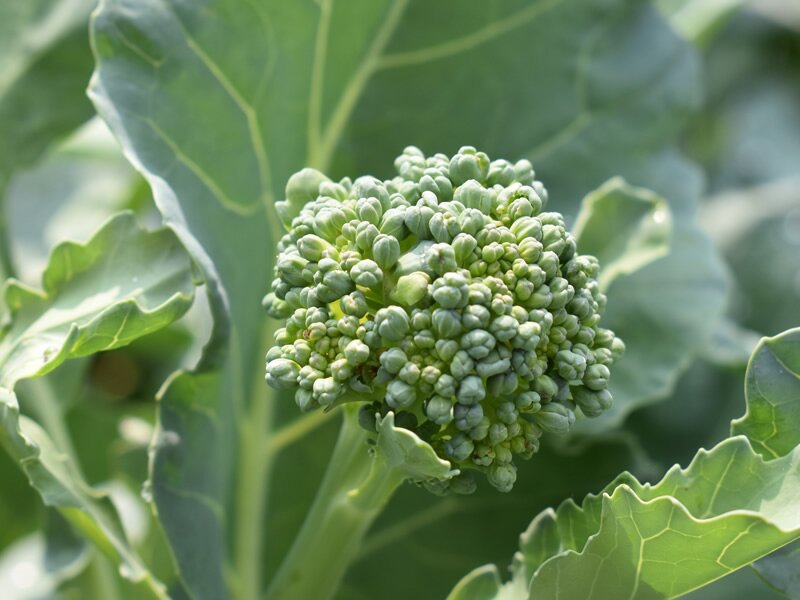
Sprouting Broccoli (Brassica oleracea var. italica)
Sprouting broccoli is a hardy, long-season crop grown for its tender flowering shoots rather than a single large head like calabrese. It is particularly valuable as a “hungry gap” crop, producing fresh greens from late winter into early spring when little else is available.
While seed packets often recommend early sowing, many growers in Ireland find that slightly later sowings produce stronger plants that are less prone to bolting and better suited to overwintering.
Growing Conditions
- Soil: Firm, fertile, deep soil with good drainage and moisture retention. The soil Ph should be neutral to alkaline, at least above 6.5, if not you can add calcified seaweed or ground limestone to raise the Ph value. A good application of well rotted manure or compost should be applied in the previous autumn for best results.
- Light: Full sun
- Shelter: Will tolerate exposure with adequate support provided.
- Spacing: These can become large plants so a spacing of 60-75cm between plants and rows is essential.
Sowing & Planting
- Sowing should be left until mid June, despite what you may read on seed packets and some gardening guides. This prevents them producing too early in autumn and becoming too big to survive the winter.
- Start in modules or seedbeds. The best way is to sow two seeds per cell in modular trays, 1-1.5cm deep and place the tray in a greenhouse, tunnel or on a windowsill to allow for germination. If both seeds germinate, discard the weakest.
- Transplant when seedlings are strong, usually about 4 weeks after germination.
- Plant firmly to support overwintering plants
Outdoor Growing
Sprouting broccoli is best suited to outdoor growing and is very hardy once established.
- Choose a reasonably sheltered site or provide supports for your plants.
- Later sowings from mid June produce more reliable crops
- Plants remain in the ground over winter, maturing around February and often producing until May.
Care & Maintenance
- Water during dry periods while establishing
- Firm plants well to prevent wind rock, this can be done by earthing up around the stems.
- Stake if necessary in exposed areas using a 4x4cm stake as bamboo won't cut it with these as the canes are just too light.
- Apply bio-netting to protect from pests
Growing in Containers
- It is possible but not advised due to the plant size and long growing season
- Use large, deep containers if attempting
Harvesting
Harvest central shoots first when the heads appear but well before they start to open. Once the central shoots are harvested, side shoots will develop over several weeks and should be cut when they are about 15cm long. Cropping typically occurs from late winter into early spring and they should be harvested regularly before any shoots go into flower, to insure prolonged cropping. If any do flower, cut them anyway and discard them.
Sprouting broccoli can be kept in a plastic bag for three or four days in a fridge but are also good candidate for blanching and freezing. Stems should be blanched in boiling water for 2 minutes and then drained and placed in iced water. Once cool they can be bagged and frozen
Varieties to Try
- Red Arrow – Reliable purple sprouting type
- Early Purple Sprouting – Classic variety
- White Sprouting – Later cropping type
Common Problems
- Cabbage white caterpillars: Protect with netting
- Pigeons: Can damage plants in winter
- Wind rock: Firm planting is essential
Culinary Use
- Steamed or lightly boiled
- Stir-fries
- Side dishes
Recipe – Garlic Sprouting Broccoli
Ingredients
Sprouting broccoli
Garlic
Olive oil
- Lightly steam broccoli.
- Sauté with garlic and oil.
- Serve warm.
Steamed broccoli is also delicious with a dressing of lemon and olive oil or for a more Asian inspired dressing you can use a mix of soy sauce with a little sesame oil and sprinkle with sesame seeds.
Simple seasonal recipe.
Nutritional Information
- Rich in vitamins C and K
- High in fibre
- Contains antioxidants