

Apples
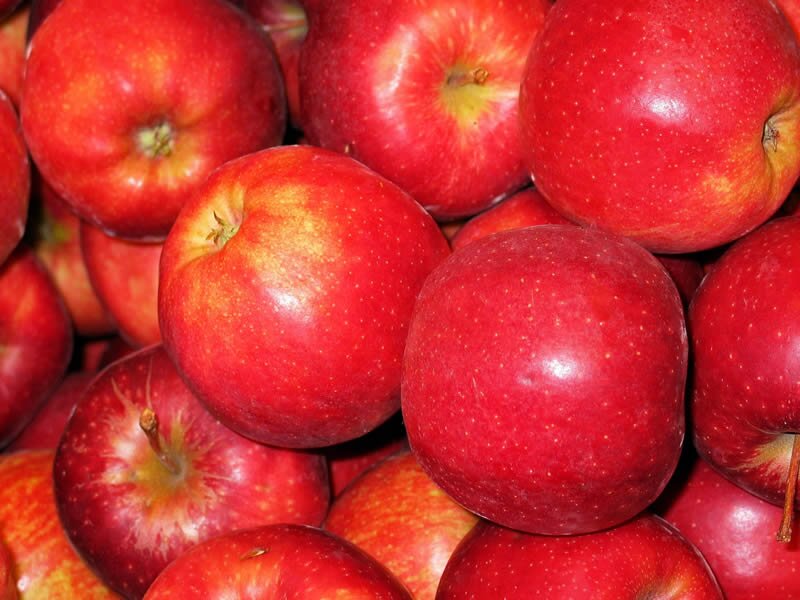
Apple Trees (Malus domestica)
Few fruit trees are as rewarding to grow in the garden as an apple tree. Beautiful blossom in spring is followed by a harvest of fruit in late summer and autumn, and with the right cultivar you can enjoy apples fresh from the tree for months afterwards.
There is an enormous range of apples to choose from, with differences in flavour, texture, colour, harvest time and storage potential. Some are best eaten almost immediately after picking, while others can be stored through the winter. There are also traditional cooking apples, sweet dessert apples and plenty of varieties that are useful for both.
One of the most important things to consider when choosing an apple tree, however, is something that isn't immediately obvious from the fruit itself: pollination.
Choosing an Apple Tree
Before choosing an apple tree, think about how you would like to use the fruit and how much space you have available.
Consider:
- Whether you want a dessert apple, cooking apple or dual-purpose variety
- When the apples will be ready to harvest
- Whether you want apples that can be stored
- The eventual size of the tree and its rootstock
- Whether you have another compatible apple tree nearby
- The position available and how much sunlight it receives
- Whether you want a traditional bush tree or a trained form such as a cordon or espalier
It is also worth thinking beyond the harvest date. Growing a mixture of early, mid-season and late varieties can give you a much longer season of home-grown apples.
Pollination – The Most Important Thing to Check
Most apple cultivars are not reliably self-fertile. To produce a good crop, they generally need pollen from another compatible apple cultivar that is flowering at around the same time. Even those that are considered self-fertile may still benefit from a pollinating partner in order to increase yields and pollination success.
This means that buying one apple tree without checking its pollination requirements can leave you with a beautiful, healthy tree that produces very little fruit.
Fortunately, pollination is not as complicated as it may first appear once you understand pollination groups.
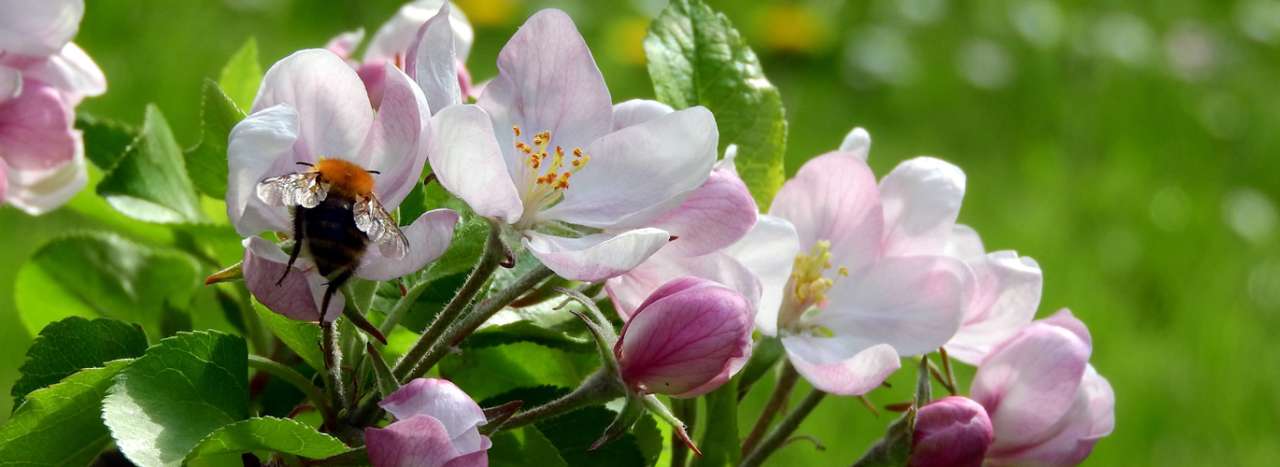
Whilst we all hope for a good yield of apples later in the season, let's not forget that apple trees also make for beautiful ornamental trees with white, pink or white and pink blossom in spring.
They are also a great addition to any garden with wildlife and pollinators in mind, providing useful nectar for bees early in the season - Image by Markéta Klimešová from Pixabay
What is an Apple Pollination Group?
Apple cultivars are placed into flowering or pollination groups according to when they normally flower. These are usually numbered from early to late.
For reliable pollination, choose two different apple cultivars from the same pollination group or from adjacent groups, provided their flowering periods overlap.
For example, an apple in Group 3 can generally be pollinated by a compatible cultivar in Group 2, 3 or 4. The important point is that both trees need to be flowering at the same time.
Pollination groups are sometimes represented by letters rather than numbers, depending on the nursery or supplier. Always check the information supplied with the particular tree you are buying.
What if I Only Have Room for One Apple Tree?
This is where choosing carefully becomes particularly important.
Some apple cultivars are partially or fully self-fertile and may produce a crop when grown alone, although fruit set can still be improved when another compatible apple is flowering nearby.
There may also be a compatible apple tree growing in a neighbouring garden. If you know that there are other apples nearby, this can potentially provide the pollen your tree needs, provided the flowering periods overlap.
Another option for a small garden is a family tree, where two or more compatible cultivars have been grafted onto the same tree. This can provide a pollination partner without requiring the space for two separate trees.
Triploid Apple Cultivars
Some apple cultivars are triploid. These can produce fruit themselves but their pollen is ineffective for pollinating other apple cultivars.
If you grow a triploid apple, you therefore need two other compatible, non-triploid apple cultivars to provide suitable pollen.
This is one reason it is worth checking the pollination information before buying rather than assuming that any two apple trees will necessarily pollinate each other.
Pollination in the Irish Climate
Good pollination depends on more than simply having the right varieties in the garden.
Apple blossom needs pollinating insects to transfer pollen between flowers, and cool, wet or windy weather during flowering can reduce insect activity. This can be particularly relevant in Ireland, where spring weather can change considerably from one year to the next.
Choosing compatible cultivars with overlapping flowering periods gives you the best opportunity for successful pollination, while encouraging a healthy population of bees and other pollinating insects in the garden can also help.
In other words, don't be discouraged if an apple tree crops differently from one year to the next. Weather during flowering can have a considerable effect on fruit set.
Where to Plant an Apple Tree
Choose a sunny position with good drainage and, where possible, some shelter from strong winds.
Good light is important for healthy growth and fruit development. Avoid planting where the tree will be heavily shaded by buildings, walls or larger trees as it matures.
If space is limited, apples can also be trained against walls and fences as cordons, espaliers or other trained forms. These can make excellent use of a small garden while also benefiting from the shelter and warmth of a suitable wall.
Planting Apple Trees
Autumn through to early spring is an excellent time to plant an apple tree, particularly when the tree is supplied bare-root while dormant. Container-grown trees can be planted more widely through the year, provided the soil is not frozen or waterlogged and adequate watering is provided during establishment.
For detailed advice on preparing the ground, planting depth, staking, mulching and establishing a new fruit tree, see our Growing Fruit Trees guide.
When planting, take particular care not to bury the graft union. This should remain clearly above the soil surface.
Care and Maintenance
Newly planted apple trees need regular attention while they establish, particularly during dry weather.
- Water thoroughly during dry periods, especially during the first growing season.
- Keep grass and weeds away from the immediate root area.
- Apply a suitable mulch around the tree, keeping it clear of the trunk.
- Check stakes and ties regularly and adjust them as the tree grows.
- Feed appropriately where necessary, particularly if growth is weak or the soil is poor.
- Check leaves, branches and developing fruit regularly for signs of pests or disease.
Pruning Apple Trees
Apple trees respond well to careful pruning, but the correct method depends on the age, rootstock and form of the tree.
For a traditional bush tree, pruning is generally used to create a strong, open framework while maintaining a good balance between new growth and fruiting wood. Trained trees such as cordons and espaliers have different pruning requirements.
It is also worth knowing whether your cultivar fruits mainly on spurs or on younger shoots, as this affects how it should be pruned.
For this reason, avoid simply cutting an apple tree back to a particular shape without first checking what type of tree you have.
Thinning Apples
A well-pollinated apple tree can sometimes produce more fruit than it can comfortably support. Allowing every young fruit to develop can result in small apples, overcrowded branches and, in some cases, a heavy crop one year followed by a poor crop the next.
Thinning some of the developing fruit allows the remaining apples more space and resources to develop.
Exactly when and how much to thin depends on the tree and cultivar, but it is generally better to remove excess fruit while it is still small rather than waiting until the apples are nearly mature.
Harvesting Apples
Apple harvests usually begin in late summer and continue through autumn, depending on the cultivar.
Don't assume that all apples on a tree are ready at exactly the same time. Some trees may need to be picked in several stages as individual fruits reach maturity.
A ripe apple should generally come away from the tree easily when lifted and given a gentle twist. Avoid pulling or wrenching fruit from the branches, as this can damage both the apple and the fruiting wood.
Some apples are best eaten immediately after picking, while later varieties may improve in flavour and texture after a period of storage.
How to Tell When Apples are Ready
There are several clues to look for when deciding whether apples are ready to harvest:
- The fruit has reached its expected size and colour.
- The apple tastes pleasant when sampled.
- The fruit comes away readily with a gentle lift and twist.
- Some sound fruit may begin to fall naturally.
- The seeds may have changed colour, although this should not be relied upon as the only indicator.
Harvest timing varies between cultivars and can also vary from year to year according to the weather, so getting to know your particular tree is part of the fun.
Storing Apples
One of the great advantages of growing the right apple cultivars is that the harvest does not necessarily have to be eaten immediately.
Early apples generally have a short storage life, whereas many later-maturing cultivars can keep for several weeks or even several months under suitable conditions.
If you want to store apples, choose a cultivar specifically known for its storage potential and handle the fruit carefully at harvest.
Which Apples Should I Store?
Choose firm, sound apples that are free from bruises, cuts, insect damage and signs of rot. Slightly under-ripe fruit from suitable late-season cultivars often stores better than fully ripe fruit.
Do not try to store damaged apples alongside sound fruit. One rotten apple really can spoil the rest of the box.
The Best Conditions for Storing Apples
A good storage area should be:
- Cool – ideally around 4–7°C.
- Frost-free – apples should not be allowed to freeze.
- Dark – direct light can encourage deterioration.
- Well ventilated – good air circulation helps reduce problems.
- Free from strong smells – apples can absorb odours from nearby materials.
- Protected from rodents and other pests.
A cool shed, garage or similar frost-free space can work well, provided conditions remain reasonably stable.
How to Store Apples
- Choose only sound, undamaged apples.
- Handle them carefully to avoid bruising.
- Place them in shallow trays or slatted boxes that allow air circulation.
- Ideally arrange them in a single layer without the apples touching each other.
- Keep different cultivars separate and label them.
- Check the stored fruit regularly.
- Remove any apple showing signs of rot immediately.
Some gardeners wrap individual apples in paper to prolong storage, although this makes regular inspection more difficult. For most home gardeners, careful selection, good ventilation and regular checking are more important.
The RHS recommends cool, dark, frost-free and well-ventilated storage and notes that later-season apples are generally better suited to longer storage.
Cooking and Using Apples
There is far more to apples than eating them straight from the tree.
Cooking apples can be used in pies, crumbles, tarts, sauces and chutneys, while dessert apples can be eaten fresh or added to cakes, salads and desserts. Dual-purpose cultivars are particularly useful in a home garden as they can be enjoyed in several different ways.
If you have a particularly productive tree, apples can also be cooked and frozen for use later in the year. The texture of frozen dessert apples will soften after thawing, but they remain useful for baking, smoothies and cooked dishes.
Common Problems
Apple trees are generally hardy and productive, but they can be affected by a range of pests, diseases and growing problems.
Common issues include:
- Apple scab
- Powdery mildew
- Aphids
- Codling moth
- Apple sawfly
- Bird and wasp damage
- Bitter pit
- Frost damage to blossom
- Poor fruit set caused by inadequate pollination
- Biennial or alternate-year cropping
Good air circulation, sensible pruning, appropriate watering and choosing cultivars suited to the conditions can all help maintain a healthy tree.
Varieties to Try
There is an enormous choice of apple cultivars, so rather than simply choosing by appearance, consider what you want from the harvest.
Early dessert apples can provide fruit from late summer, but often have little or no storage life.
Mid-season apples can provide an excellent balance between fresh eating and short-term storage.
Late-season apples are often the best choice if your aim is to keep apples through autumn and winter.
When choosing from our range, check the individual product information for the cultivar's pollination group, rootstock, eventual size, harvest period and intended use.
Final Thoughts
An apple tree can be a surprisingly long-term addition to the garden, so choosing the right one is worth a little thought before planting.
For many gardeners, the most important question isn't simply "Which apple tastes nicest?" but "Will this apple pollinate, suit my garden and give me the type of harvest I want?"
Once those questions have been answered, there is very little more satisfying than walking into the garden in autumn and picking an apple straight from a tree you planted yourself.
Looking for more information? Our Growing Fruit Trees guide covers the general principles of choosing, planting and caring for fruit trees, while our other individual fruit-tree guides look at the particular requirements of each crop.