

Brussels Sprouts
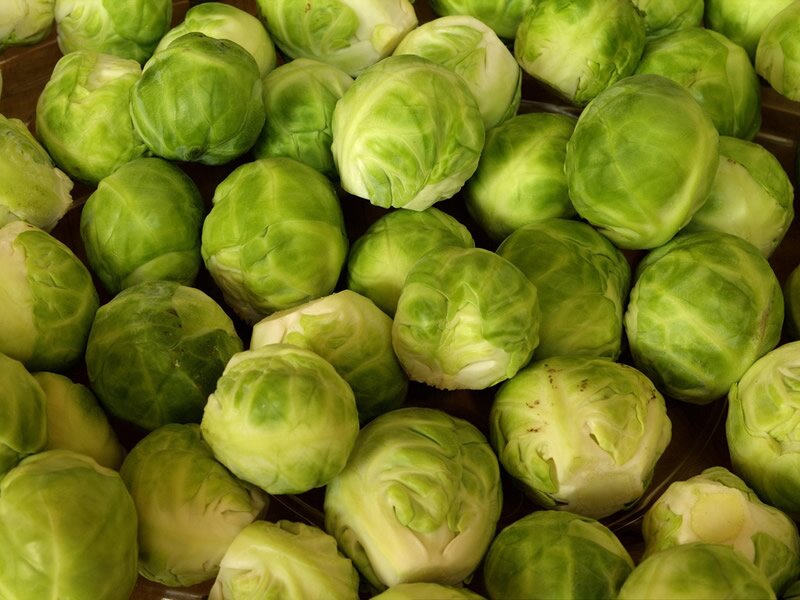
Brussels sprouts are a traditional winter brassica that reward patience and good soil preparation. Slow growing but highly productive, a small number of plants can provide harvests from autumn right through winter.
They require a long growing season and firm, fertile ground. In Irish conditions, early sowing indoors gives the best results, particularly in areas exposed to wind where staking may later be required.
Types of Brussels Sprouts
- Early Varieties – Harvest from September onwards.
- Maincrop Varieties – Harvest from late autumn into winter.
- Late Varieties – Suitable for harvesting after frost, often improving in flavour.
How to grow Brussels Sprouts
- Soil and Site – Sprouts prefer firm, fertile soil with good moisture retention. Avoid freshly manured ground. A sunny, sheltered position is ideal, particularly in exposed western gardens.
- Sowing – For sowing indoors, sow 1 seed per module, 2cm deep. For early varieties sow in March for transplanting in late April, for maincrop sow in April for transplanting in May and for late varieties sow in early May for transplanting in Late June.. Alternatively sow outdoors in a seedbed in April.
- Planting Out – Transplant when 10–15cm tall. Space plants 60cm apart with 60–75cm between rows.
- Rotation – As brassicas, avoid growing where other brassicas have been planted within the previous 3–4 years to reduce clubroot risk.
Cultivation & Care
- Firm Planting – Plant very firmly to prevent wind rock, which can lead to loose sprouts.
- Staking – In exposed areas, stake taller varieties to prevent plants toppling in winter gales.
- Watering – Maintain consistent moisture during summer growth.
- Feeding – A nitrogen-rich feed in early summer can support steady growth.
- Pest Protection – Protect from cabbage white butterflies and pigeons using netting.
Harvest and Storage
Harvest from the bottom of the stem upwards as sprouts firm up, starting in early autumn depending on variety. Frost can improve flavour. You can also remove the growth point (which is also edible and very tasty) when you are satisfied they have reached a reasonable height which can help develop the upper buds quicker,
Pick regularly to encourage continued development. Sprouts are best eaten fresh but can be refrigerated for several days.
Culinary Use
Once over-boiled sprouts are now commonly roasted, sautéed or shredded for stir-fries. They pair particularly well with bacon, chestnuts and winter herbs.
Recipe – Roasted Brussels Sprouts with Bacon
Ingredients
500g Brussels sprouts
150g bacon lardons
1 tbsp olive oil
Salt and pepper
- Trim and halve sprouts.
- Toss with oil and bacon.
- Roast at 200°C for 25–30 minutes until caramelised.
Nutritional Information
Per 100g serving:
- Calories – 43 kcal
- Protein – 3.4g
- Carbohydrate – 9g
- Fat – 0.3g
- Fibre – 3.8g
Brussels sprouts are rich in vitamin C, vitamin K and antioxidants.