

Basil
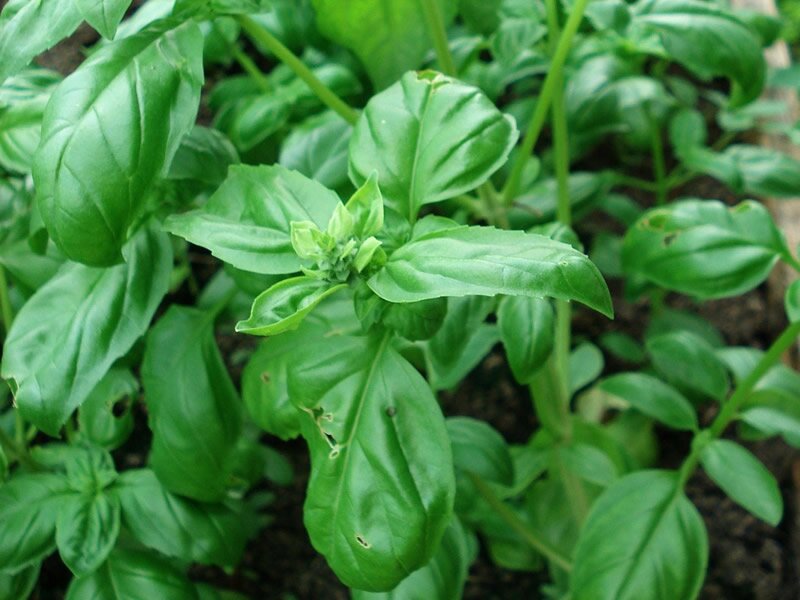
Basil is one of the most popular culinary herbs, prized for its aromatic leaves and strong association with Mediterranean cooking. While often thought of as a summer plant, basil can be grown successfully from early spring indoors before being moved outside once temperatures improve.
In Ireland, basil performs best when started indoors and grown in a greenhouse, polytunnel or warm, sheltered patio spot. It thrives in warmth and sunshine and struggles in prolonged cool or windy conditions.
Types of Basil
- Genovese Basil – The classic Italian variety used for pesto, with large fragrant leaves.
- Greek / Bush Basil – Smaller-leaved plants that form compact bushes, well suited to containers.
- Purple Basil – Attractive dark foliage with a slightly stronger flavour.
- Speciality Types – Including lemon basil and Thai basil, each with distinctive flavour profiles.
How to grow Basil
- Soil and Site – Basil prefers light, well-drained compost and a warm, sunny position. Containers are often ideal in Irish conditions.
- Sowing – Sow indoors from March onwards in a heated propagator or warm windowsill at around 18–22°C.
- Depth – Sow seeds thinly and cover lightly with fine compost.
- Transplanting – Once seedlings are large enough to handle, pot on into individual modules or small pots.
- Planting Out – Move outdoors only once temperatures remain consistently warm, usually from late May onwards. Basil are best grown on in a polytunnel or greenhouse in our climate, or grow in pots on a sunny, south facing windowsill.
Cultivation & Care
- Pinching Out – Regularly pinch out the growing tips to encourage bushy growth.
- Watering – Keep compost evenly moist but not waterlogged.
- Feeding – Apply a light liquid feed every couple of weeks for container-grown plants.
- Flower Removal – Remove flower spikes to prolong leaf production.
Harvest and Storage
Harvest leaves regularly once plants are well established. Picking frequently encourages further growth.
Basil is best used fresh but can also be frozen, dried or blended into pesto for longer storage.
Culinary Use
Basil is widely used in Italian cuisine, particularly in pesto, salads and tomato-based dishes. Its aromatic leaves pair well with tomatoes, mozzarella, pasta and grilled vegetables.
Recipe – Classic Basil Pesto
Ingredients
2 handfuls fresh basil leaves
50g pine nuts
50g grated Parmesan
1 garlic clove
100ml olive oil
- Blend basil, pine nuts and garlic.
- Gradually add olive oil while blending.
- Stir in Parmesan and season to taste.
Nutritional Information
Per 100g serving:
- Calories – 40 kcal
- Protein – 3.1g
- Carbohydrate – 5.1g
- Fat – 0.8g
- Fibre – 1.6g
Fresh basil is rich in Vitamin A and is a good source of Vitamin C, riboflavin, calcium and iron. If used as an ingredient in a salad it can make a contribution to the nutrient content of the diet.
Medicinally basil acts primarily on the digestive and nervous systems, easing flatulence, stomach cramps and indigestion. It also has a mild sedative action, helping with nervous irritability and difficulty sleeping.