

Mint
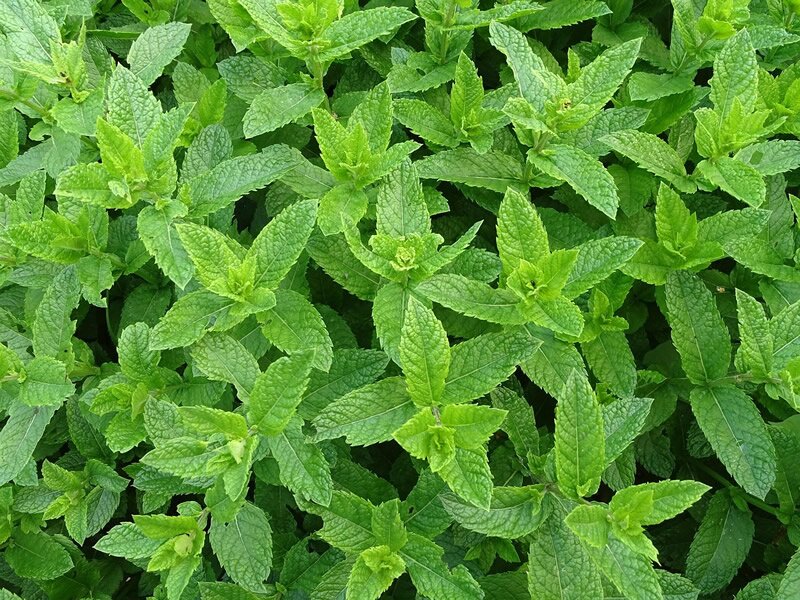
Mint is a vigorous and aromatic herb belonging to the Mentha genus, which includes many species and cultivated varieties. Known for its refreshing scent and flavour, mint has been used in cooking, beverages and herbal remedies for centuries. It is one of the easiest herbs to grow but is also famous for its tendency to spread rapidly if left unchecked.
Common varieties include spearmint (Mentha spicata), peppermint (Mentha × piperita), apple mint, chocolate mint and pineapple mint. Each variety offers slightly different flavour notes, ranging from sweet and mild to intensely cooling.
Growing Conditions
Mint is a hardy perennial herb that grows well in a wide range of conditions. It thrives in moist soil and can tolerate both full sun and partial shade.
- Soil: Moist, fertile, well-drained soil enriched with organic matter
- Light: Full sun to partial shade
- Water: Regular watering; prefers consistently moist soil
- Spacing: Approximately 30–45 cm between plants
Because mint spreads via underground runners, many gardeners prefer to grow it in containers or confined beds to prevent it from taking over other plants.
Sowing & Planting
Mint is most commonly propagated through cuttings or root division rather than from seed.
- Divide established plants in spring or autumn
- Root cuttings easily root in water or directly in soil
- Plant in pots, containers, or beds with barriers to control spreading
Young plants establish quickly and usually begin producing harvestable leaves within a few weeks.
Care & Maintenance
- Trim plants regularly to encourage bushy growth
- Remove flower stems if growing primarily for leaves
- Divide plants every few years to keep them productive
- Grow in containers if you wish to prevent excessive spreading
Mint is generally very resilient and requires little maintenance once established.
Growing in Containers
Mint is particularly well suited to container growing and many gardeners deliberately grow it this way to prevent it spreading too aggressively.
- Choose a pot at least 20–30 cm wide with good drainage
- Use a quality multi-purpose compost enriched with organic matter
- Water regularly as container plants dry out more quickly
- Position in full sun or partial shade
Container-grown mint can be placed on patios, balconies or close to the kitchen door for convenient harvesting.
Harvesting
Leaves can be harvested throughout the growing season once plants are well established.
- Pick young leaves for the best flavour
- Harvest frequently to promote fresh growth
- Large harvests can be dried or frozen for later use
Regular harvesting helps prevent plants from becoming woody or leggy.
Varieties to Try
There are many types of mint available to grow, each with its own subtle flavour and aroma.
- Spearmint – A classic garden mint with a mild, sweet flavour commonly used in sauces and teas.
- Peppermint – A stronger, more cooling flavour often used for teas and desserts.
- Apple Mint – Soft leaves with a gentle fruity fragrance.
- Chocolate Mint – A novelty variety with a hint of chocolate aroma.
- Pineapple Mint – Attractive variegated foliage with a light tropical scent.
Growing a few different varieties is a good way to explore the range of flavours available.
Common Problems
Mint is generally very easy to grow, but a few issues can occasionally arise.
- Mint Rust: A fungal disease that causes orange-brown spots on leaves. Remove affected growth and improve air circulation.
- Aphids: Small insects that cluster on young shoots. Often easily controlled with a strong spray of water.
- Powdery Mildew: Can occur in warm, dry conditions. Regular harvesting and good airflow help prevent this.
- Overcrowding: Plants may become congested after a few years; divide regularly to maintain vigour.
Culinary Use
Mint is widely used in both savoury and sweet dishes. Its refreshing flavour pairs well with a wide range of ingredients.
- Herbal teas and infused drinks
- Mint sauce for lamb
- Fresh salads and vegetable dishes
- Desserts and fruit salads
- Cocktails such as mojitos and juleps
- Yogurt sauces and dressings
Different varieties of mint can provide subtle differences in flavour, from gentle sweetness to strong cooling notes.
Nutritional Information
Mint contains a number of beneficial nutrients and plant compounds.
- Vitamin A
- Vitamin C
- Iron
- Antioxidants
Mint has long been valued in traditional herbal remedies and is often associated with digestive support and a refreshing, soothing effect.