

French Beans
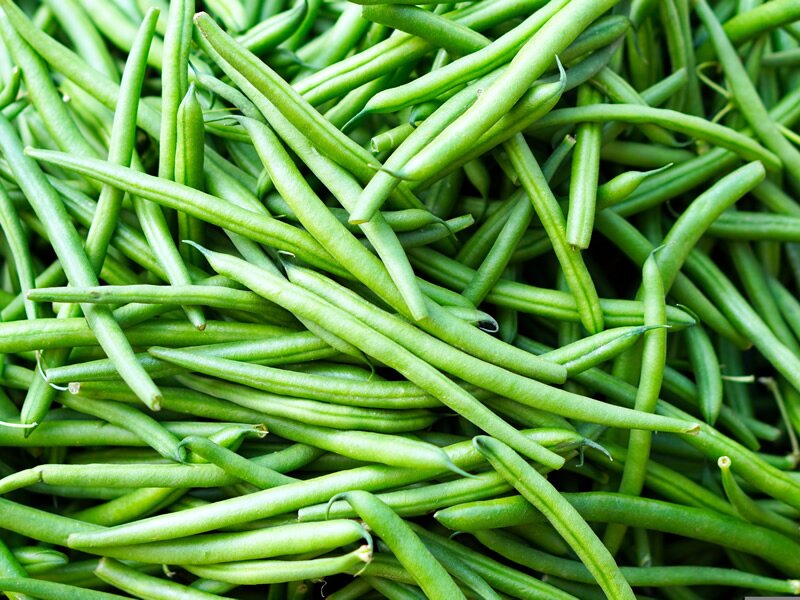
French Beans (Phaseolus vulgaris)
French beans are a productive and versatile summer crop grown for their tender pods. They are generally easier and quicker to grow than runner beans and are available in both dwarf and climbing varieties.
In Irish conditions, French beans can be grown outdoors during warmer months or started earlier indoors in a greenhouse or polytunnel to get a head start on the season.
Types of French Beans
- Dwarf Beans – Compact plants, ideal for containers and more exposed sites.
- Climbing Beans – More productive but require supports.
- Fine (Filet) Beans – Slender pods with excellent flavour.
Growing Conditions
- Soil: Well-drained, fertile soil enriched with compost and a sheltered position (especially for climbing varieties). The soil for French beans can be slightly acidic with a pH ranging from 5.5 to 7.
- Light: Full sun
- Temperature: Warm conditions required; sensitive to frost
- Spacing: 20 cm (dwarf), 30 cm (climbing) with 40cm between rows. If you are growing climbing beans around canes, you can plant about 5 seeds/plants around each cane, with canes placed around 30cm apart, either in a row or a circle - if planting this way, with canes in a row, leave 60cm between rows.
Sowing & Planting
- Indoor Sowing: Sow from April in pots or modules indoors or in a greenhouse or polytunnel. If you are using modules it is best to use deep modules (about 10-12cm deep) or 'root-trainers' as they are often referred to, as beans and peas grow a long root. Alternatively you can use saved cardboard inners from toilet rolls - these have an added benefit as when you come to planting you can just make a hole and plant the seedling with the cardboard inner intact, without having to remove the plant.
If you are using pots to grow climbing beans, you can plant 5 seeds in a 9cm diameter pot, then when it comes to planting, plant the whole group next to one cane. - Outdoor Sowing: Sow direct from late May to June once soil has warmed
- Whether indoors or out, sow seeds 3–5 cm deep
- Harden off indoor-grown plants before planting out. This just involves puttin them outdoors by day and bring them in at night for about a week before planting in their final position.
- Rotation: French beans are part of the legume family and should be rotated as such with other peas and beans.
Care & Maintenance
- Provide supports for climbing varieties
- Water regularly, particularly during flowering
- Mulch to retain soil moisture
- Harvest regularly to encourage continued cropping
Growing in Containers
- Dwarf varieties are ideal for pots and growbags
- Ensure good drainage
- Water consistently
- Provide supports for climbing types
Harvesting & Storage
Harvest pods while young and tender, from July until the first frosts, before seeds begin to swell. Regular picking encourages further production. If you are looking to save seed, you can leave some of the pods on the plant until they dry out and become thin and leathery. The dry beans can then be removed from the pods and stored in a jar for sowing next year or eating as you would with other dried beans. If the weather is particularly wet in late summer/autumn, you can always finish drying the beans in a hot press.
Beans are best eaten fresh but they sill store for about a week in the fridge and are a good candidate for blanching and freezing. To freeze French beans, first blanch them in boiling water for 2 minutes before plunging into iced water. Once completely cooled they can then be bagged and transferred to the freezer.
Varieties to Try
- Stanley – Heavy cropping dwarf variety with good disease resistance and beans that freeze well.
- Cobra – Vigorous climbing variety with a good yield of uniform beans.
- Isabel - Robust and vigorous climber with long beans of good flavour.
Common Problems
- Poor germination: Often due to cold, wet soil
- Slugs: Young seedlings are vulnerable
- Blackfly: Can affect plants during warm weather
- Lack of flowers: Usually temperature-related as they like warm summers. (In recent years I've found French and runner beans to be very productive, as long as you give them a good start, and I live in quite an exposed area in teh west of Ireland!)
Culinary Use
- Steamed or boiled as a side dish
- Stir-fries
- Salads
- Freezing for later use
Recipe – Garlic Butter French Beans
Ingredients
200g French beans, trimmed
25g butter
1 garlic clove, crushed
Salt and black pepper
- Boil or steam beans until just tender.
- Melt butter in a pan and add garlic.
- Toss beans in the garlic butter.
- Season and serve immediately.
Simple seasonal recipe.
Nutritional Information
Per 100g:
Calories: 31 kcal
Protein: 2.1g
Carbohydrate: 3g
Fat: 0.5g
French beans are low in calories, high in vitamin K, a source of vitamin C and fibre and contain folate and manganese.