
Heathers are among the most reliable, colourful and low-maintenance plants you can grow — bringing vibrant interest across the seasons when many other plants are resting. From the delicate winter flowers of Erica to the late-summer carpets of Calluna and the distinctive bell-shaped blooms of Daboecia, these hardy evergreens offer structure, texture and long-lasting colour. This guide — written with gardeners in the North-West of Ireland in mind — explains the differences between the main types of heather and how to grow them successfully in borders, rockeries and containers.
Understanding the different types of heather
There are three main types commonly grown in Irish gardens:
Calluna (Scotch Heather or Ling) — The classic late-summer flowering heather with fine foliage and masses of small blooms from July to September.
Erica (Heath, including Winter Heath) — A large group that includes winter- and spring-flowering varieties such as Erica carnea and Erica x darleyensis, providing colour from November through April.
Daboecia (Irish Heath) — Native to parts of Ireland and western Europe, producing larger, urn-shaped flowers from early summer into autumn.
Flowering season
By planting a combination of these three types, you can enjoy heather in flower almost all year round — from mid-winter through late summer and into autumn.
Position, Planting and Soil
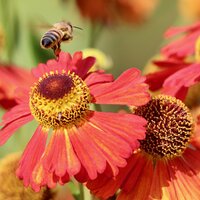
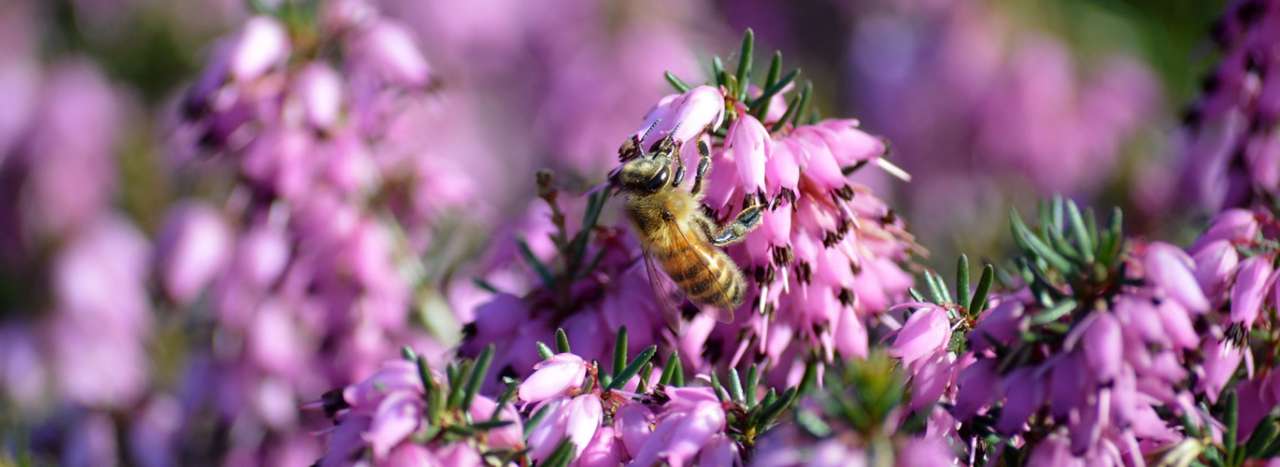 Heathers thrive in open, sunny positions and are perfect for borders, slopes and rockeries. As well as being loved by gardeners, they're loved by pollinators too offering valuable nectar throughout the year with a mix of varietes! - Image by Frauke Riether from Pixabay
Where to plant: Heathers prefer an open, sunny position. While some Erica varieties tolerate light shade, most flower best in full sun. They are ideal for slopes, raised beds, coastal gardens and exposed sites, coping well with wind and poor soils once established.
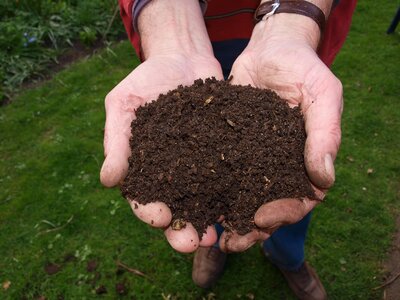
Soil: Most heathers thrive in acidic, well-drained soil (ideally pH 4.5–6). Calluna and Daboecia particularly prefer acid conditions. Many Erica varieties are more tolerant and can cope in neutral soils, but avoid strongly alkaline ground. If your soil is lime-rich, grow heathers in raised beds filled with ericaceous compost.
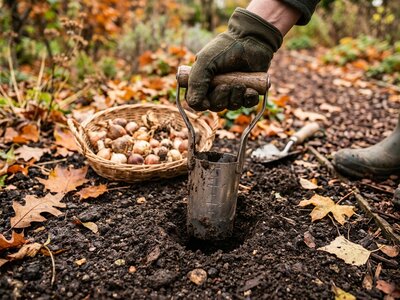
Planting: Plant in spring or autumn while the soil is moist and workable. Dig a hole twice the width of the rootball and mix in ericaceous compost if needed. Set plants at the same depth as in their pots and water thoroughly. Space plants 30–45cm apart to allow them to knit together into a dense carpet over time. Mulch with bark or leaf mould to conserve moisture and suppress weeds.
Growing Heathers in Containers
Heathers grow very well in pots, making them perfect for patios, balconies and seasonal displays. Use a frost-proof container with good drainage and fill with peat-free ericaceous compost. Position in full sun and water regularly during dry spells — heathers dislike drying out completely. Feed lightly in spring with a fertiliser suitable for acid-loving plants. Container-grown heathers are especially effective when grouped for a tapestry of colour.
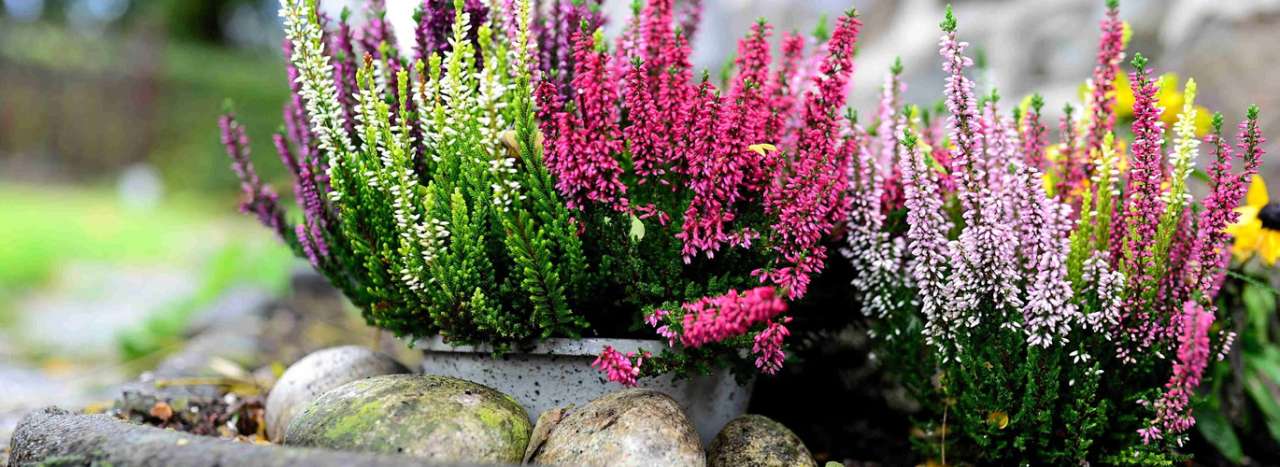
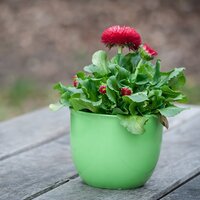
Heathers make for colourful container plants that require little fuss and can be positioned to make a lovely garden display - Image by congerdesign from Pixabay
Care Throughout the Year
- Watering: Keep newly planted heathers well watered during their first growing season. Once established, they are relatively drought-tolerant but benefit from watering in prolonged dry periods.
- Feeding: Apply a light dressing of ericaceous fertiliser in spring. Avoid overfeeding, as heathers prefer lean conditions.
- Pruning: Lightly trim plants immediately after flowering to keep them compact and prevent them becoming woody. Do not cut back into old, bare wood, as regrowth may be poor.
- Weeding: Keep the area weed-free while plants establish, as young heathers dislike competition.
- Pests & diseases: Heathers are generally trouble-free. Good drainage is essential to prevent root rot, particularly in heavy soils.
Understanding the Differences
Calluna (Scotch Heather):
Flowers in late summer to early autumn. Foliage is fine and scale-like, often changing colour in winter (bronze, gold or red tones). Excellent for ground cover and mass planting.
Erica (Heath / Winter Heath):
Needle-like foliage. Many varieties flower in winter and early spring, providing vital nectar for pollinators. Extremely hardy and ideal for extending seasonal colour.
Daboecia (Irish Heath):
Broader leaves and distinctive, larger bell-shaped flowers. Flowers from early summer well into autumn. Particularly suited to mild, coastal or western climates — making it well adapted to conditions in the North-West of Ireland.
Companion Planting — Five Great Combinations
- Winter Interest: Erica + Skimmia + dwarf ornamental grasses — evergreen structure with seasonal berries and texture.
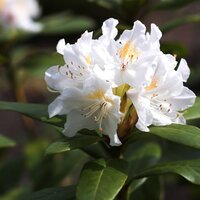
- Acid-Loving Border: Calluna + Rhododendron + Pieris — a long-season display for acidic soils.
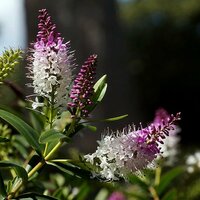
- Coastal Planting: Daboecia + Hebe + Festuca glauca — tolerant of wind and salt-laden air.
- Spring Brightness: Winter-flowering Erica + dwarf Narcissus + Crocus — early colour and pollinator support.
- Container Display: Mixed heathers + Ivy + Gaultheria — layered foliage and long-lasting seasonal interest.
Final Thoughts
Heathers are hardworking, resilient plants that reward gardeners with colour, texture and structure across the seasons. By combining Calluna, Erica and Daboecia, you can create a garden that flowers for much of the year with minimal maintenance. Perfect for borders, rockeries, slopes and containers, they are especially well suited to the climate of the North-West of Ireland. Plant once, trim annually, and enjoy a tapestry of evergreen colour for years to come.
Looking to add heathers to your garden?
Visit our garden centres in Boyle and Roscommon or browse our range online for a hand-picked selection of Calluna, Erica and Daboecia varieties suited to Irish gardens.