
Few trees can rival the breathtaking impact of a magnolia in full spring bloom. With their large, goblet-shaped flowers appearing on bare branches before the leaves emerge, magnolias create a moment of pure drama in the garden. When grown in the right conditions, they are long-lived, elegant trees that become treasured focal points year after year. This guide — written with gardeners in the West of Ireland in mind — explains how to grow magnolias successfully, avoid common mistakes, and choose the right variety for your space.
Why magnolias sometimes disappoint
One of the most common mistakes we see is planting magnolias in open, exposed positions where strong winds damage developing buds and delicate spring flowers. Even a healthy tree may fail to flower properly if it is battered by cold easterly winds. Choosing a sheltered, sunny position makes all the difference to performance.
Flowering season
Most deciduous magnolias flower from March through May, depending on variety and weather. In a mild western climate, flowering can begin earlier — but protection from wind is key to enjoying the full display.
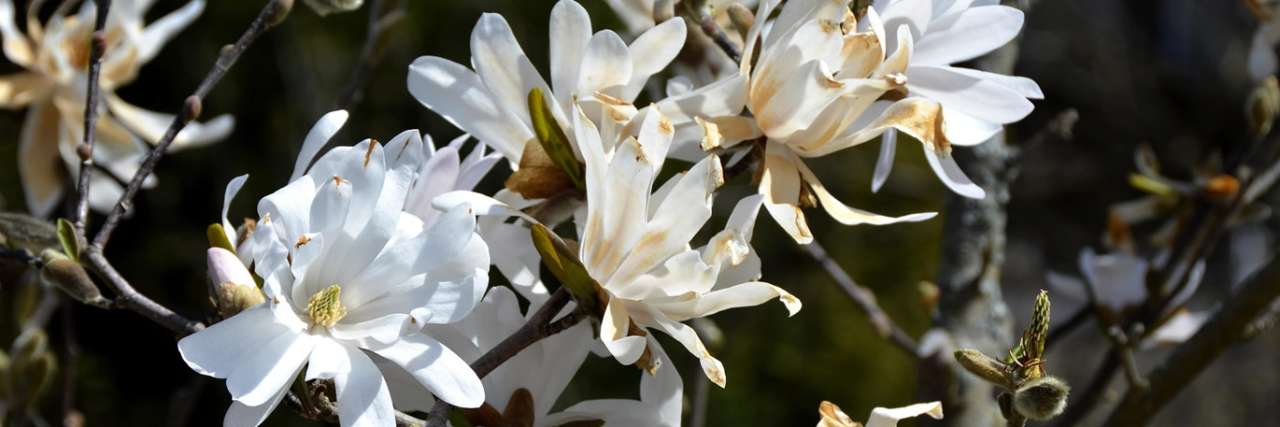
Magnolia Stellata - whilst, like all magnolias, it prefers a neutral to acid soil, stellata is more tolerant of most soil types as long as they are not extremely alkaline (which is unlikely, particularly here in the west). As a compact variety it is also very suitable for container growing. Image by Annette from Pixabay
Position, Planting and Soil
Where to plant: Choose a sheltered position protected from strong prevailing winds. A south- or west-facing spot near a wall, hedge or mature shrubs is ideal. Magnolias prefer full sun or light dappled shade. Shelter encourages better bud retention and a longer-lasting floral display.
Soil: Magnolias prefer moist but well-drained, humus-rich soil. They thrive in slightly acidic to neutral conditions. Avoid very alkaline soils unless improved with organic matter. Good drainage is essential — waterlogged ground can stress young trees. It is always a good idea to test your soil pH when planning your garden as this can save a lot of disappointment later on. With most magnolias you are ideally looking for a soil pH of between 5 and 6 for best results.
Planting: Plant in spring or autumn while soil conditions are mild. Dig a generous hole at least twice the width of the rootball and incorporate plenty of compost or well-rotted organic matter. Plant at the same depth as in the pot — magnolias dislike being planted too deeply. Water thoroughly after planting and apply a mulch of bark or leaf mould to retain moisture and protect roots.
Important: Magnolias have shallow, fleshy roots that resent disturbance. Avoid planting too close to areas where soil will be regularly cultivated.
Choosing the Right Magnolia
Ongoing Care and Maintenance
- Watering: Keep well watered during dry spells, especially while establishing. Magnolias dislike drying out.
- Mulching: Apply a mulch annually in spring to conserve moisture and improve soil structure.
- Feeding: Feed in early spring with a balanced, slow-release fertiliser suitable for trees and shrubs. Use an ericaceous feed if your soil is more to the neutral side.
- Pruning: Magnolias require minimal pruning. If necessary, prune lightly in mid to late summer after flowering to avoid sap bleeding.
- Frost & wind protection: In exposed gardens, consider temporary fleece protection for young trees if severe frost is forecast during bud formation.
Planting Around Magnolias — Creating a Balanced Border
While magnolias make stunning stand-alone specimens, they can be even more effective when thoughtfully underplanted. Because magnolias have shallow, fleshy roots and prefer consistent moisture, it’s important to choose companion plants that thrive in similar soil conditions and don’t compete aggressively for nutrients.
A well-planted border beneath a magnolia can soften its base, extend seasonal interest beyond spring flowering, and help protect the soil by reducing moisture loss and weed growth.
Ideal Companion Plants
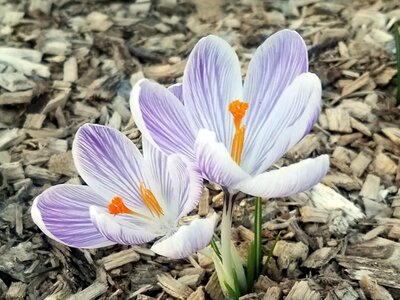
- Spring bulbs (Galanthus, Narcissus, Crocus): These flower before the magnolia canopy fills out, adding early colour and pollinator support without competing heavily with roots.
- Hellebores: Shade-tolerant and evergreen, hellebores thrive in similar humus-rich soil and provide late winter to early spring interest beneath the magnolia branches.
- Ferns: Particularly suited to lightly shaded positions, ferns add soft texture through summer once magnolia flowers fade.
- Heuchera: Attractive foliage in shades of lime, purple and bronze creates year-round groundcover while tolerating partial shade.
- Hosta: Ideal for sheltered gardens, hostas enjoy moisture-retentive soil and provide bold leaf contrast beneath the branching structure.
- Brunnera or Pulmonaria: Both offer spring flowers and decorative foliage, complementing magnolia bloom time while tolerating similar conditions.
- Low-growing evergreen shrubs such as Skimmia or dwarf Pieris: These add structure and extend the flowering season without overwhelming the tree.
Why Underplanting Works
- Soil protection: Groundcover helps retain moisture — important for magnolias, which dislike drying out.
- Weed suppression: Dense planting reduces competition from invasive weeds.
- Extended seasonal interest: After the magnolia’s spectacular spring display, companion plants keep the border attractive through summer, autumn and winter.
- Improved biodiversity: Layered planting encourages pollinators and beneficial insects.
Avoid: Deep cultivation beneath magnolias or planting large, thirsty shrubs too close to the trunk. Their root systems prefer minimal disturbance.
Final Thoughts
A magnolia in full bloom is one of spring’s great garden moments. With thoughtful positioning — particularly ensuring shelter from strong winds — and humus-rich, well-drained soil, these trees reward patience with decades of spectacular flowering. Whether you choose a compact variety for a smaller space or a classic statement tree for a larger garden, magnolias thrive beautifully in the West of Ireland when given the right start.
Thinking of planting a magnolia this season?
Visit our garden centres in Boyle and Roscommon to explore our current range of magnolia varieties, or browse online for availability and planting advice from our team.