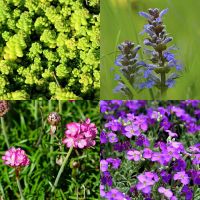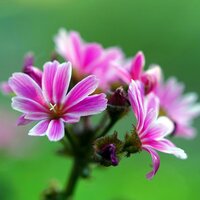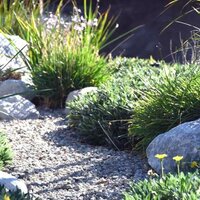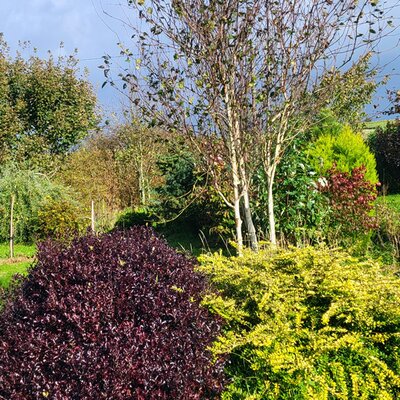

Alpine plants may be small in stature, but they deliver enormous impact. Compact, resilient and beautifully detailed, alpines are perfect for rockeries, gravel gardens, raised beds, alpine basins and container displays. Many originate from mountainous regions where drainage is sharp and conditions can be harsh — making them wonderfully tough yet surprisingly easy to grow when given the right foundations. This guide — written with gardeners in the North-West of Ireland in mind — explains where alpines grow best, how to prepare the ground, when to plant, and which varieties perform particularly well in Irish conditions.
What are alpine plants?
True alpines originate from mountainous regions above the tree line, where they grow in rocky, free-draining soils with excellent light and airflow. In garden centres, the term “alpine” often includes compact, low-growing plants suited to similar conditions — perfect for small spaces and detailed planting schemes.
Why grow alpines?
They’re ideal for filling gaps, softening stonework, edging paths, creating colour in troughs and containers, and adding seasonal interest without overwhelming a space. Many flower generously despite their modest size.
Position, Planting and Ground Preparation
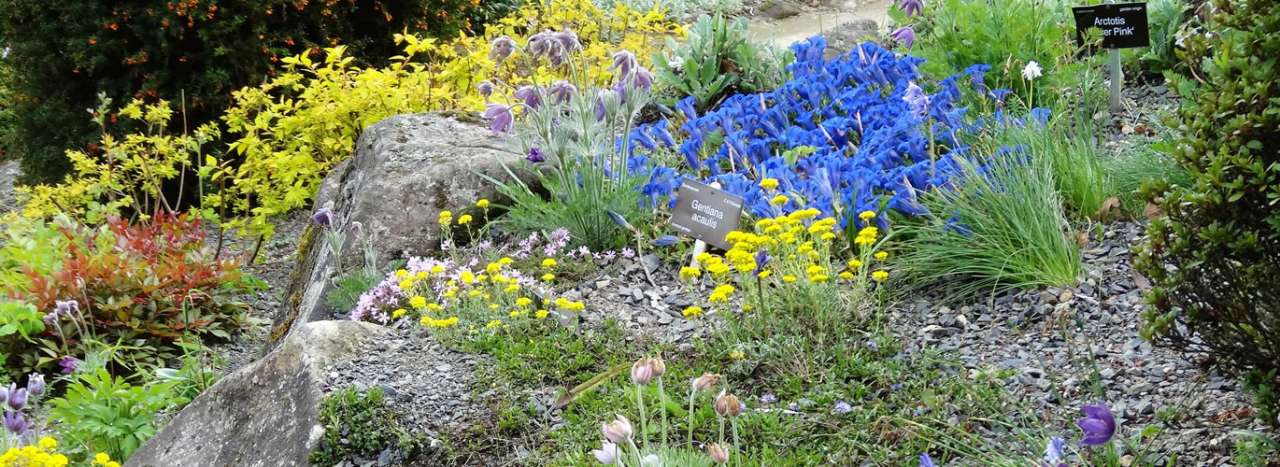 Alpines thrive in sunny, well-drained positions and are ideal for rockeries and raised beds like here in this alpine rock garden at Dunedin Botanic Gardens - Photo by denisbin (CC BY-SA 2.0)
Where to plant: Most alpines prefer a sunny, open position with excellent drainage. A south- or west-facing rockery, raised bed or gravel garden is ideal. Good air circulation helps prevent winter wet, which is often more damaging than cold itself.
Soil and drainage: Drainage is key. Alpines dislike sitting in heavy, waterlogged soil. If planting in open ground, incorporate plenty of horticultural grit and organic matter to create a free-draining mix. In heavier clay soils, consider building a raised bed or rockery to improve drainage.
Planting time: Spring and early autumn are the best times to plant, when soil is moist but not waterlogged and temperatures are moderate. This allows roots to establish before extreme heat or winter wet sets in.
Planting technique: Dig a hole slightly larger than the rootball and add grit beneath and around the plant to improve drainage at the crown. Avoid burying the foliage — good airflow at soil level is important. Space plants according to their mature spread to allow them to knit together naturally.
Alpine Basins and Container Displays
Alpines are especially effective in containers and traditional alpine basins. Use a shallow terracotta or stone trough with generous drainage holes. Fill with a specialist alpine compost or a mix of peat-free compost blended with grit (at least 30–50% grit). Top-dress with decorative gravel to keep foliage dry and enhance appearance.
Container-grown alpines should be positioned in full sun and protected from excessive winter rainfall where possible — placing them against a wall or under eaves can help in very wet weather.
Ten Popular Alpines for Irish Gardens
Ongoing Care and Maintenance
- Watering: Water newly planted alpines regularly until established. Mature plants are generally drought tolerant but benefit from occasional watering in prolonged dry spells.
- Feeding: Alpines prefer lean soil; apply a light, balanced feed in spring if needed, but avoid excessive fertiliser which can cause soft growth.
- Deadheading: Remove spent flowers to encourage repeat blooming and maintain a tidy appearance.
- Dividing: Some spreading alpines benefit from division every few years to maintain vigour.
- Winter protection: In very wet winters, ensure drainage remains clear. Protect more delicate varieties from excessive rainfall rather than frost.
Companion Planting — Five Great Alpine Combinations
Alpines are at their best when planted in thoughtful combinations. Mixing foliage textures, flowering times and subtle height differences creates a natural, mountain-inspired effect while extending seasonal interest.
- Classic Spring Rockery: Aubrieta + Phlox subulata + Saxifraga — A tapestry of purples, pinks and whites in early to mid-spring, perfect for cascading over stone edges.
- Coastal & Wind-Resilient Mix: Armeria (Thrift) + Dianthus (Alpine Pinks) + Festuca glauca — Tough, compact and tolerant of exposed conditions, with contrasting grassy and evergreen textures.
- Architectural Container Display: Sempervivum + dwarf Campanula + Helianthemum — Structural rosettes paired with soft trailing flowers for colour and contrast in alpine basins.
- Long-Season Colour: Erigeron + Dianthus + Gentiana — Extended flowering from late spring into autumn, with vibrant blue gentians adding striking seasonal highlights.
- Gravel Garden Harmony: Helianthemum + dwarf ornamental grasses + low-growing thyme — Sun-loving and drought-tolerant, ideal for free-draining gravel beds.
When planting combinations, repeat each variety in small groups rather than single specimens. This creates a more natural, cohesive look and allows plants to knit together over time.
Final Thoughts
Alpine plants prove that small can be spectacular. With the right preparation — particularly excellent drainage and plenty of sunshine — they reward gardeners with intricate flowers, evergreen structure and long-lasting colour. Whether planted in a rockery, raised bed, gravel garden or decorative basin, alpines are a versatile and hardworking addition to gardens in the North-West of Ireland. With minimal feeding and thoughtful placement, they’ll thrive for years, offering detail and charm in even the smallest spaces.
Ready to start your alpine display?
Visit our garden centres in Boyle and Roscommon to explore our alpine range — and take advantage of our multi-buy offers to create a colourful rockery or container display this season.