
A Simple Guide to Growing More Plants for Free
Taking cuttings is one of the most rewarding gardening skills you can learn. Not only can it save you money, but it also allows you to create exact copies of your favourite plants. Many popular shrubs, climbers and perennials can be propagated successfully at home with little more than a sharp pair of secateurs, some compost and a little patience.
The secret is taking the right type of cutting at the right time of year. Here's a simple guide to the three main types of cuttings and when to use them.
Softwood Cuttings (Late Spring to Mid Summer)
Softwood cuttings are taken from fresh, young growth that is still soft and flexible.
This is often the quickest type of cutting to root and, as we're still in early summer, it's the perfect time to give it a go.
What to Look For
- Fresh green shoots produced this year.
- Healthy, vigorous growth.
- Non-flowering stems where possible.
- Stems that bend easily without snapping.
How to Take Softwood Cuttings
- Cut a healthy shoot 10–15cm long.
- Remove the lower leaves.
- Trim just below a leaf node.
- Insert around the edge of a pot filled with moist cutting compost.
- Cover with a clear propagator lid or plastic bag.
- Place in bright light but out of direct sunshine.
Plants That Root Well from Softwood Cuttings
- Fuchsia
- Penstemon
- Salvia
- Lavender
- Hydrangea
- Verbena bonariensis
- Marguerites
- Diascia
A single mature lavender plant can often provide enough cuttings to create an entire border for the price of a bag of compost.
Semi-Ripe Cuttings (Mid Summer to Early Autumn)
Semi-ripe cuttings are taken later in the season once stems begin to firm up.
The growth is no longer soft and floppy but has not yet become fully woody.
For many shrubs, this is often the most reliable method of propagation.
What to Look For
- This year's growth beginning to mature.
- A firm base with a softer tip.
- Healthy shoots free from pests and disease.
How to Take Semi-Ripe Cuttings
- Select a healthy shoot around 10-15cm long.
- Remove the lower leaves.
- Trim below a node.
- Dip the base in rooting powder if available.
- Insert into free-draining compost.
- Keep moist and sheltered until rooted.
Plants That Root Well from Semi-Ripe Cuttings
- Hebe
- Choisya
- Escallonia
- Ceanothus
- Camellia
- Skimmia
- Euonymus
- Photinia
The Heel Cutting Method - Step-by-Step
Some shrubs like Hebe, Choisya, Escallonia and Ceanothus often root exceptionally well when a small "heel" of older wood is pulled away with the cutting.
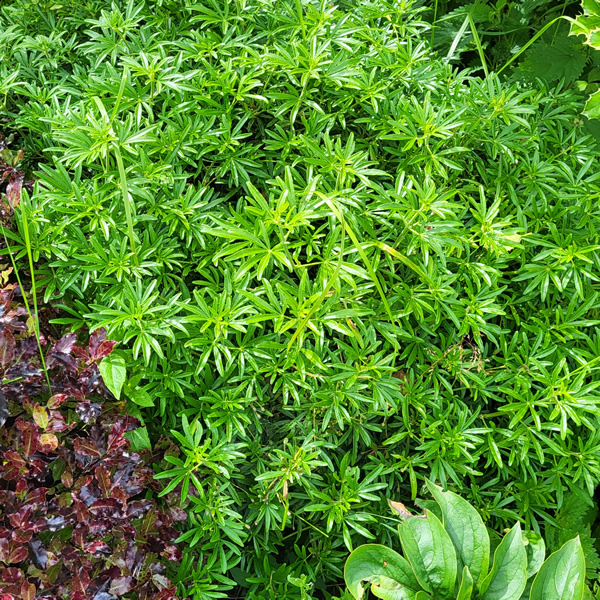
Choisya is a perfect candidate for semi-ripe cuttings, once the shrub has finished flowering, and we move into mid to late summer
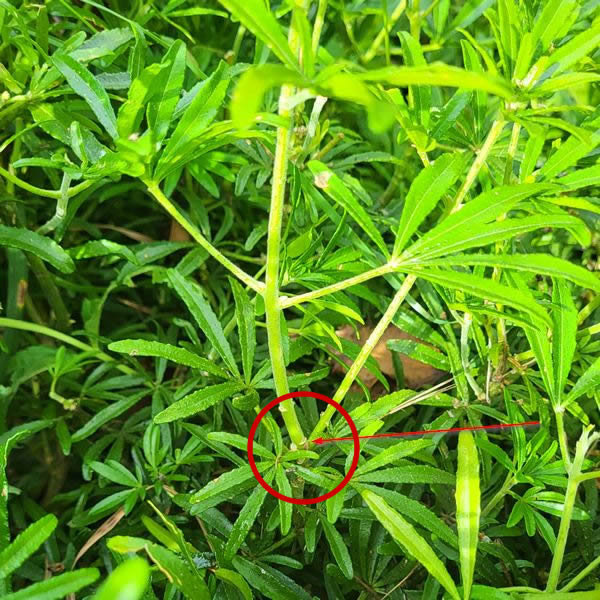
First you need to find where to take your cutting from - look for a node on the main stem, with a healthy shot from it, that is around 10-15cm long.
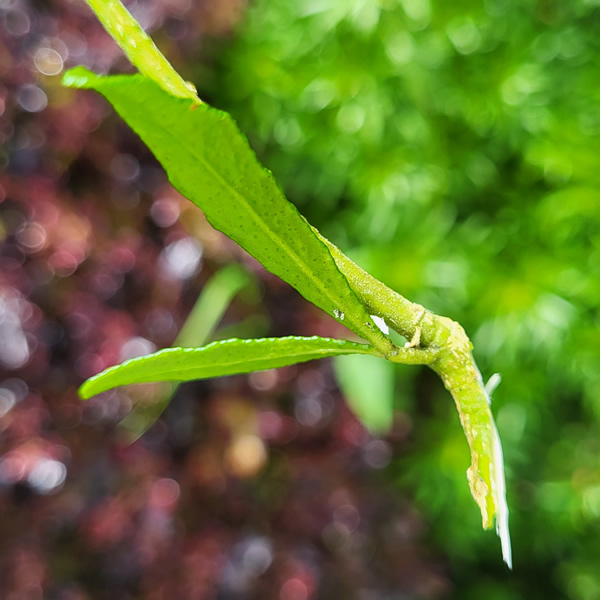
Holding the stem you want to remove, firmly at the base, then pull and peel part of the main stem away with it to create a heel as shown in the image. Now, to be fair, this cutting was probably taken a wee bit early (06 July) and looks more like a softwood cutting but you get the idea. The only difference later in the month and up to the end of summer is that the main stem you will be taking the cutting from will likely appear a bit more woody and less green than in this image.
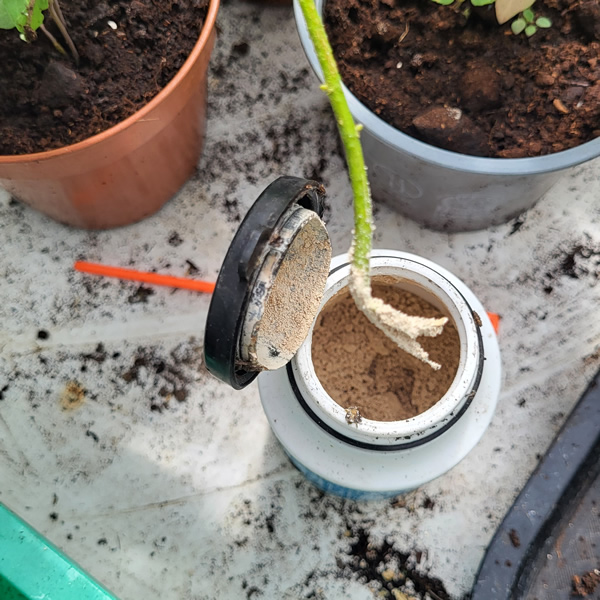
This step isn't essential, but can help yield more successful results: Once you have removed the lower leaves from your cutting, dip the heel of your cutting in some hormone rooting powder.
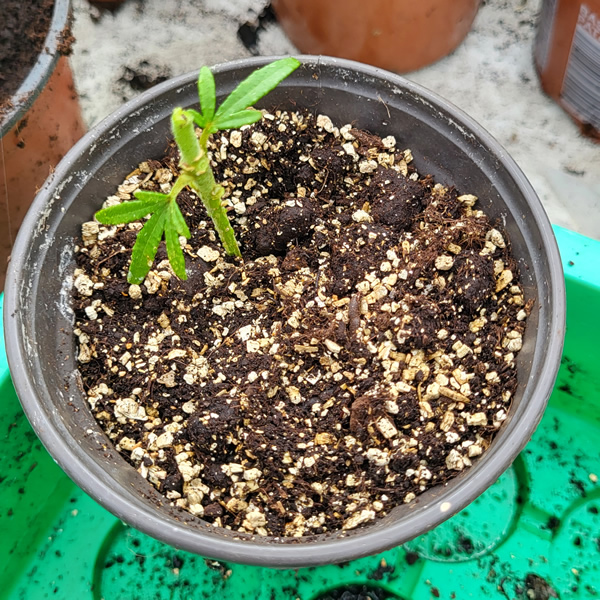
With your pots filled with some free draining compost (I mixed multipurpose here with some vermiculite I had left over from seed-sowing), dip a hole near the edge of the pot and insert your cutting. You can then add further cuttings to the same pot - how many will depend on the size of your pot but the general rule is to position them far enough apart that their leaves don't touch.
Once you have all of your cuttings potted up. All that's left is to cover them and position them out of direct sunlight. Below you can see that I have taken several cuttings of Choisya, Ceanothus and Rosemary and covered them using an old windowsill propagator. You could also cover each pot with plastic bag, securing with an elastic band. If you are going to use the latter method just be sure to remove the bag occasionally to allow some ventilation.
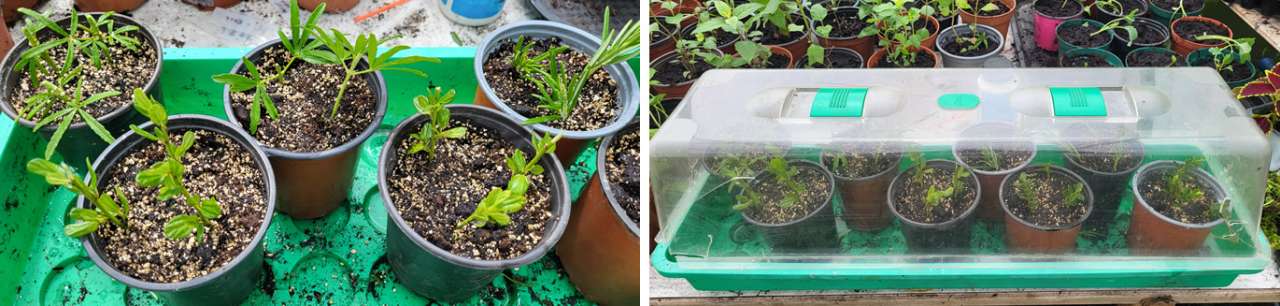
As I mentioned earlier, these cuttings may have been taken a bit early to call them 'semi-ripe' but the method is the same. I'll let you know how these fair with an update in a few weeks!
Hardwood Cuttings (Autumn & Winter)
Hardwood cuttings are taken once plants have become dormant and stems have fully ripened.
While they can take longer to root, they are often the easiest type of cutting to manage and require very little equipment.
What to Look For
- Woody stems produced during the current season.
- Healthy growth roughly pencil thickness.
- Material free from disease and damage.
How to Take Hardwood Cuttings
- Cut sections around 20-30cm long.
- Make a straight cut at the top and a sloping cut at the base.
- Remove any remaining leaves.
- Insert deeply into prepared soil or pots.
- Leave outdoors in a sheltered location.
- Roots should develop by the following growing season.
Plants That Root Well from Hardwood Cuttings
- Cornus (Dogwood)
- Willow
- Currants
- Gooseberries
- Forsythia
- Buddleja
- Philadelphus
- Grape vines
Which Type of Cutting Should I Take?
| Season | Type | Best For |
|---|---|---|
| May - July | Softwood | Perennials, tender plants and fast-growing shrubs |
| July - September | Semi-ripe | Evergreen and ornamental shrubs |
| October - February | Hardwood | Shrubs, hedging plants and soft fruit |
Top Tips for Success
- Always use clean, sharp secateurs.
- Take cuttings early in the morning when stems are full of moisture.
- Avoid flowering shoots where possible.
- Label your pots — you'll be surprised how quickly plants start to look alike.
- Keep compost moist but never waterlogged.
- Don't be discouraged by failures — even experienced gardeners lose the occasional batch.
Don't just take one cutting — take ten. Even professional propagators expect some losses and you'll usually end up with far more success than you need.
Final Thoughts
Propagation is one of the most satisfying parts of gardening. Whether you're producing a few extra lavenders for the front path or creating a whole hedge from hardwood cuttings, it's a simple way to expand your garden while learning more about how plants grow.
And if you have a favourite plant that performs well in your garden, taking cuttings is often the easiest way to make sure you always have another waiting in the wings.
Everything you need for successful propagation
From seed trays and propagators to specialist composts, labels and rooting powders, we have everything you need to grow more plants for less.