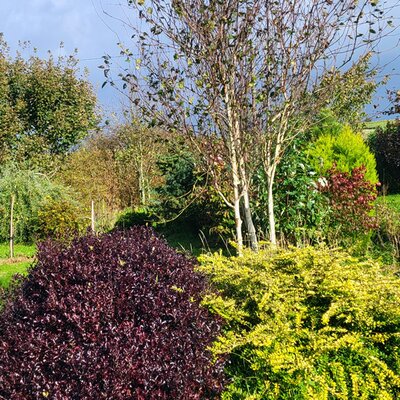

When we think about plants that bring colour to the garden, it is usually flowers that come to mind. But some of the most useful plants for creating lasting interest rely on something altogether different: their foliage.
Heuchera, sometimes known as Coral Bells, are a perfect example. These compact perennials may produce delicate sprays of flowers in spring and summer, but it is their foliage that really makes them stand out. Depending on the variety, leaves can range from deep burgundy and plum through copper, caramel and silver to bright lime green, often with contrasting veins and intricate patterns.
Better still, many Heucheras remain evergreen or semi-evergreen through much of the year, making them particularly useful as other perennials begin to die back. As we move towards autumn, their foliage can become one of the main features of a border rather than simply filling the gaps between more showy plants.
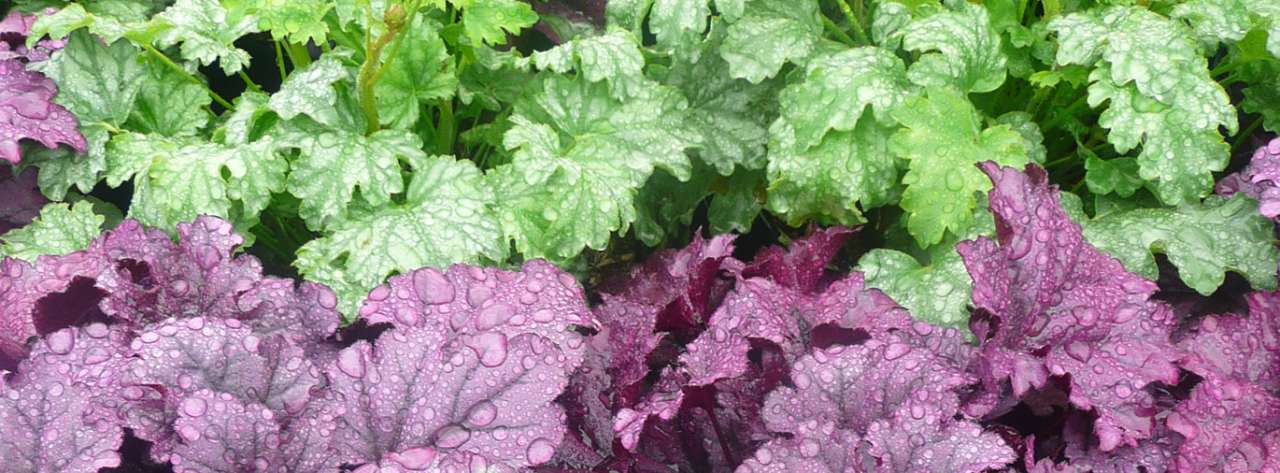
As well as complementing other plants, different varieties of heuchera can be grown together to create contrasting patterns or a colourful mosaic of foliage, whilst also providing excellent ground-cover.
Why Grow Heuchera?
Heuchera are remarkably versatile plants. Their compact habit makes them useful towards the front of borders, whilst their ability to tolerate partial shade means they can also be used beneath shrubs and trees or in areas where many flowering plants struggle.
They work particularly well as foliage companions, providing a contrast in colour and texture to larger-leaved plants, grasses and flowering perennials. They are equally useful in containers, where different varieties can be combined to create a display that continues to provide interest long after many summer flowers have faded.
And although their foliage is the main attraction, don't overlook the flowers. Slender stems rise above the foliage from late spring into summer, carrying small bell-shaped blooms in shades of white, pink, coral or red. These are attractive to pollinating insects and provide another layer of seasonal interest.
A Plant for the Gaps
One of the great strengths of Heuchera is their ability to occupy those awkward spaces where larger plants can become too dominant. Their relatively compact growth makes them excellent for filling the front of borders, softening the edges of paths or containers and creating a low layer beneath taller shrubs and perennials.
Where & How to Grow Heuchera
Heuchera are generally easy-going plants and will perform well in most Irish gardens provided they are given the right balance of moisture and drainage. They naturally grow in woodland and rocky habitats, so they appreciate soil that retains some moisture but does not remain saturated.
Partial shade is usually ideal. This is particularly important for varieties with lighter or more delicate foliage, which can scorch if exposed to strong afternoon sun. Darker-leaved varieties are generally more tolerant of full sun, particularly where the soil remains reasonably moist.
That said, "shade tolerant" does not mean that Heuchera need to be planted in deep shade. Too little light can result in weaker growth and less impressive foliage colour. A position receiving morning sun or bright, dappled light is often ideal.
They are also surprisingly tolerant of different soil types, provided drainage is reasonable. Heavy, permanently wet soil is more problematic than a little dryness, as waterlogged conditions can lead to root problems and crown rot.
Think Moist, Not Wet
Heuchera appreciate consistent moisture, particularly while establishing, but they do not want their roots sitting in saturated soil. If your garden has heavy clay or areas that remain wet through winter, improve drainage before planting or consider growing Heuchera in raised beds or containers instead.
Planting Heuchera
Once you've chosen a suitable position, planting is straightforward:
- Prepare the surrounding soil rather than simply improving the planting hole. Incorporating compost or well-rotted organic matter can help improve both moisture retention and soil structure.
- Dig a hole approximately as deep as the root ball and around twice as wide.
- Remove the plant from its pot and gently loosen any tightly packed roots.
- Position the plant so that the crown sits at approximately the same level as it was in the pot.
- Backfill with the surrounding soil, firm gently and water thoroughly.
- Apply a light mulch around the plant, taking care not to bury the crown.
That last point is particularly important. Heuchera form a relatively shallow crown and can suffer if planted too deeply or if mulch and wet organic matter are allowed to build up around the centre of the plant.
Looking After Heuchera
Once established, Heuchera require relatively little attention. This is one of the reasons they have become such useful plants for Irish gardens.
Water newly planted specimens regularly during dry periods during their first growing season. Once their roots have established, most will cope with short periods of dry weather, although prolonged drought can cause the foliage to wilt, scorch or lose its colour.
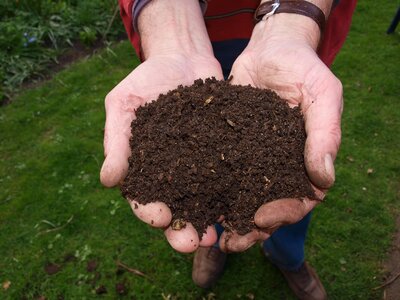
A light mulch of compost or leaf mould in spring can help maintain moisture and gradually improve the soil around the plants. There is generally little need for heavy feeding.
Keeping the Foliage Looking Its Best
As Heuchera are grown primarily for their foliage, a little seasonal tidying can make a significant difference. Remove damaged or tired leaves as necessary and cut away old flower stems once flowering has finished.
In late winter or early spring, you can remove any remaining old or damaged foliage to make room for the fresh growth emerging from the crown.
Don't be too quick to tidy them in autumn, however. Those leaves are one of the reasons we grow Heuchera in the first place and their colour and texture can provide valuable interest through the colder months.
Heuchera in Autumn & Winter
This is where Heuchera really come into their own. As summer perennials fade and herbaceous plants begin to die back, their foliage can continue providing colour and structure.
Deep burgundy, plum and copper varieties can echo the colours of autumn leaves, whilst lime-green and silver selections provide contrast against darker planting. Because many varieties remain evergreen or semi-evergreen, they can continue to provide a useful low layer of foliage through winter.
This makes them particularly useful in borders that might otherwise become rather bare once the main flowering season has finished.
Don't Forget the Foliage
A garden doesn't have to rely on flowers for year-round interest. Combining Heuchera with evergreen shrubs, grasses and other plants grown for foliage can create a border that still has plenty to look at long after the last summer flowers have faded.
Heuchera in Containers
Heuchera are excellent container plants and can be used either individually or as part of mixed displays. Their relatively compact root systems mean they don't require enormous pots, whilst their foliage provides a reliable element around which seasonal flowers can be added.
Containers also give you greater control over growing conditions. If your garden soil is particularly heavy or remains wet through winter, a container filled with a free-draining growing medium can provide a much more suitable environment.
They are particularly effective planted beneath taller plants or combined with trailing plants, grasses and seasonal flowers to create contrast in height, colour and texture.
Some of Our Favourite Heuchera This Season
There are an enormous number of Heuchera cultivars available, with foliage ranging from subtle silver and green through to dramatic plum, burgundy and almost black. Here are some of the varieties we're particularly fond of this season.
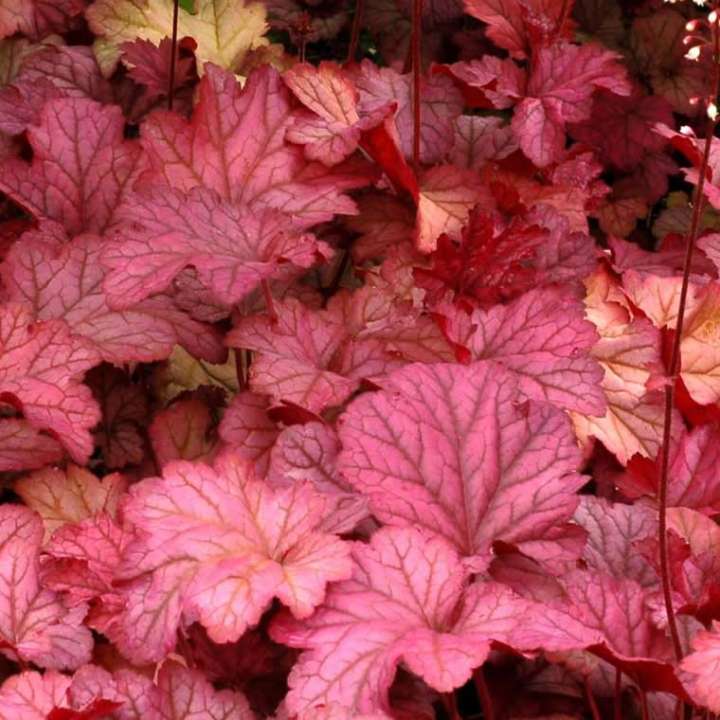
Heuchera 'Berry Smoothie'
A particularly vibrant variety with large, rounded foliage in rich raspberry-pink tones. The colour develops beautifully as the season progresses, making it an excellent choice where you want Heuchera to provide a strong splash of colour rather than simply blend into the planting.
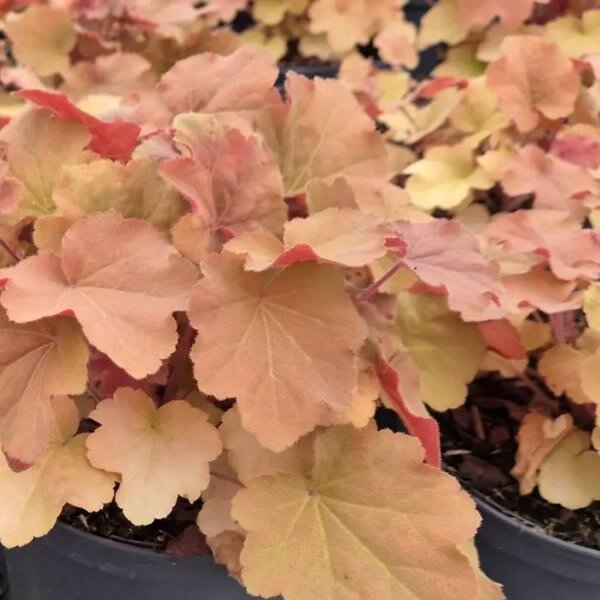
Heuchera 'Caramel'
One of the most recognisable Heuchera, 'Caramel' produces warm apricot, caramel and amber foliage that brings a softer, more unusual colour palette to shady areas. It works particularly well alongside dark-leaved varieties or plants with silver foliage.
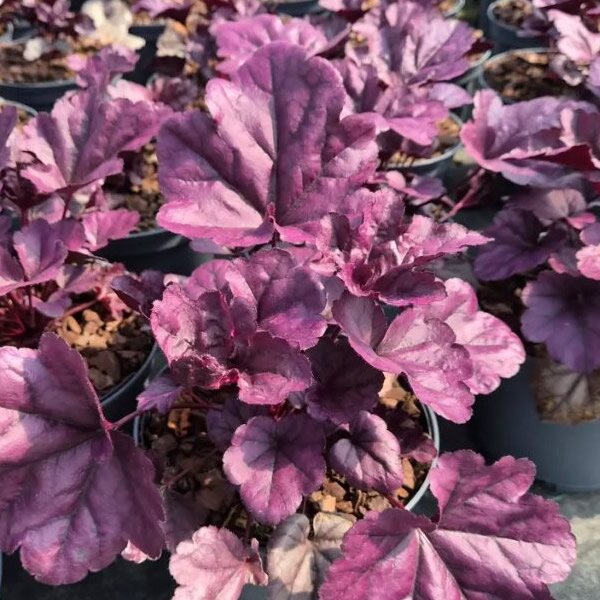
Heuchera 'Wild Berry'
A bold choice for adding rich colour to the border, 'Wild Berry' produces striking purple-pink foliage with a strong presence throughout the season. It makes an excellent contrast against softer greens and is particularly effective when planted in groups.
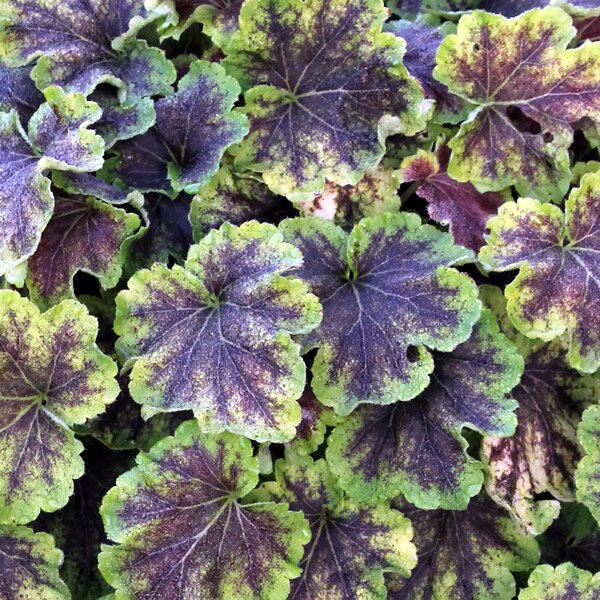
Heuchera 'Solar Eclipse'
A dramatic variety with foliage that combines deep burgundy tones with contrasting lime-green margins. The strong colour contrast makes it particularly useful as a focal foliage plant or for creating definition amongst softer planting.
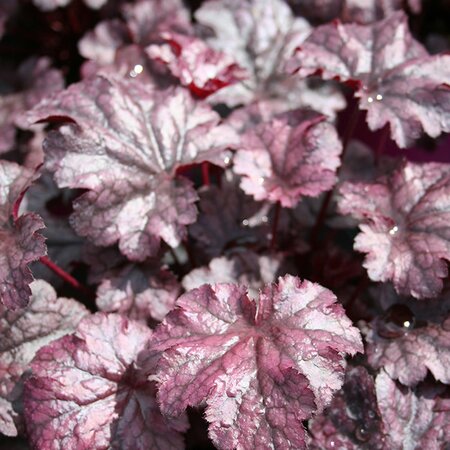
Heuchera 'Plum Pudding'
An established favourite with attractive deep purple foliage and a slightly metallic quality to the leaves. 'Plum Pudding' is a good example of how effective Heuchera can be when used as a foliage plant, providing reliable colour even when little else is flowering.
Companion Planting & Garden Styles
Because Heuchera are primarily grown for their foliage, they make wonderfully flexible companions for plants with very different shapes, textures and colours. Their relatively compact habit means they can sit comfortably at the front of a border, beneath taller shrubs or amongst larger-leaved perennials.
For a woodland-inspired planting scheme, try combining them with ferns, Hosta, Brunnera and Astilbe, where the different leaf shapes create plenty of texture without relying entirely on flowers. They also work particularly well beneath shrubs and small trees where they can provide a low layer of colour.
Alternatively, use their foliage to create contrast. Dark purple or plum-leaved Heuchera can look striking alongside lime-green foliage, whilst caramel, copper and amber varieties can soften combinations of darker greens.
They are equally at home in more contemporary gardens, where planting several of the same variety in a group can create a strong block of foliage colour.
Think of Heuchera as Foliage, Not Filler
Although their compact size makes them useful for filling gaps, their foliage is distinctive enough to deserve a place in its own right. Rather than treating Heuchera simply as something to plant between larger specimens, consider using them as deliberate colour and texture within your planting scheme.
Propagation – Creating More Heuchera
Heuchera are relatively easy to propagate, with division being the most reliable method for maintaining the characteristics of a particular cultivar. This can also be a useful way of rejuvenating older plants that have begun to become woody or develop bare stems at the centre.
Dividing Mature Plants
The best time to divide established Heuchera is generally in spring as new growth begins, or in early autumn when the soil is still warm and moist. Division every few years can help maintain vigorous, compact plants.
- Carefully lift the plant from the ground, taking as much of the root system as possible.
- Separate the outer sections of the plant, ensuring that each division has healthy roots and several shoots.
- Discard any old, woody or unproductive central sections.
- Replant the divisions immediately, keeping the crown at or just above soil level.
- Water thoroughly and keep the new plants consistently moist while they establish.
The resulting plants will retain the characteristics of the parent plant, making division particularly useful for named cultivars where you want to reproduce the same foliage colour and habit.
A Useful Way to Rejuvenate Older Plants
If an established Heuchera begins to develop a woody centre or its stems start to creep along the surface of the soil, don't necessarily write it off. Lifting and dividing the healthier outer sections can give you several vigorous new plants while removing the older, less productive growth.
Common Problems
Rotting or Collapsing at the Crown
Cause: Planting too deeply or growing in permanently wet soil.
Solution: Keep the crown at soil level or slightly proud of it and improve drainage where necessary. In particularly heavy or waterlogged gardens, raised beds or containers may provide a better growing environment.
Leaves Scorching or Fading
Cause: Too much strong sunlight, particularly with pale, golden or lighter-coloured varieties, or prolonged dry conditions.
Solution: Move plants towards partial or dappled shade where possible and ensure they receive adequate water during prolonged dry spells. Darker-leaved cultivars generally tolerate more sun than pale-leaved ones.
The Plant Seems to Be Lifting Out of the Soil
Cause: Heuchera have shallow crowns that can gradually become exposed, particularly following winter weather or on lighter soils.
Solution: Check plants in spring and gently replant them if necessary, keeping the crown at the surface rather than burying it. A light mulch can also help protect the roots while avoiding contact with the crown.
Rusty Spots on the Leaves
Cause: Heuchera rust is a fungal disease that can produce orange-brown or greyish pustules, particularly on the undersides of leaves.
Solution: Remove badly affected foliage and maintain good air circulation around plants. Avoid unnecessarily wetting the foliage when watering and dispose of heavily infected leaves rather than adding them to home compost.
Heuchera rust has become a more noticeable problem in recent years, so it is worth keeping an eye on foliage rather than assuming every damaged leaf is simply seasonal wear.
Vine Weevil
Cause: Vine weevil can be a problem, particularly for Heuchera grown in containers. Adult beetles may leave characteristic notches around the edges of leaves, whilst the larvae feed on roots.
Solution: Check plants regularly, particularly container-grown specimens, and consider biological controls where appropriate. Healthy plants growing in suitable conditions are generally better able to withstand minor pest damage.
Heuchera at a Glance
🌿 Type: Evergreen or semi-evergreen perennial
☀️ Position: Partial or dappled shade is ideal; darker-leaved varieties can tolerate more sun
💧 Soil: Moist but well-drained; avoid permanently wet conditions
🌸 Flowers: Late spring and summer, depending on variety
🐝 Wildlife: Flowers provide nectar for bees and other pollinating insects
🍂 Autumn & winter interest: Excellent, particularly from evergreen foliage
🪴 Containers: Excellent, particularly where garden soil is heavy or poorly drained
✂️ Maintenance: Low; remove damaged foliage and faded flower stems as required
🌱 Propagation: Division of established plants
Final Thoughts – Let the Foliage Do the Work
Heuchera may not be the largest or most spectacular plants in the garden, but that is precisely what makes them so useful. Their compact size, colourful foliage and ability to perform in partial shade allow them to occupy spaces that larger plants cannot, whilst their evergreen or semi-evergreen nature means they can continue contributing to the garden long after summer flowers have disappeared.
They are also a good reminder that creating an attractive garden doesn't always mean searching for something that is in flower. Colour can come from foliage, texture can be just as important as flowers and a well-chosen combination of plants can continue to look interesting throughout the year.
For Irish gardens, Heuchera are generally a reliable and relatively low-maintenance choice, provided we get the basics right: reasonable moisture, good drainage, the appropriate amount of light and, most importantly, planting the crown at the correct depth.
Give them those conditions and they will reward you with colour and texture for many seasons – with very little fuss along the way.
One Simple Principle
Don't underestimate foliage. When choosing plants for your garden, look beyond the flowers and consider what will still be contributing colour, texture and structure once the flowering season has finished.
Looking for Heuchera?
Visit Ardcarne Garden Centre in Boyle or Roscommon Town to explore our seasonal selection of Heuchera and other plants for adding colour, texture and year-round interest to your garden.
If you're unsure which variety or growing position would work best for your garden, our team will be happy to help you find a plant suited to your conditions.
You can also browse our plants online for inspiration and discover more of our practical gardening guides designed with Irish gardens in mind.