

Squash (Winter & Summer)
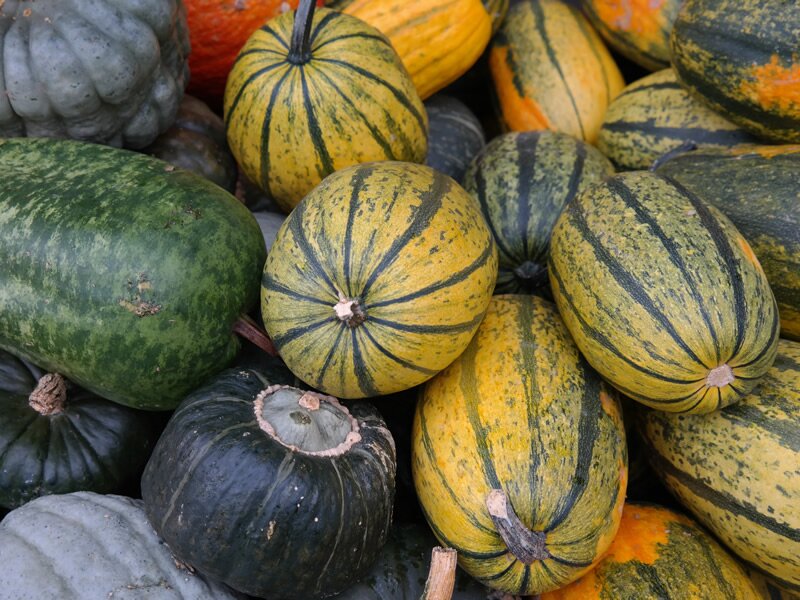
Squash (Cucurbita species)
Squash includes a wide range of varieties, from fast-growing summer squash to long-storing winter squash. They are productive plants that require space, warmth and good soil fertility.
Types of Squash
- Summer Squash – Harvested young (e.g. courgettes)
- Winter Squash – Mature fruits stored for winter use
Growing Conditions
- Soil: Squash, like pumpkins and other cucurbits are heavy feeders and need rich, fertile soil that is moisture retentive but still free draining.
- Light: They are best grown in full sun and a sheltered position as their leaves can get battered about in open windy sites, not to mention that hey won't appreciate the cold that comes with the winds.
- Spacing: 1–2 m depending on type
- Rotation: As with other cucurbits, like courgettes and pumpkins, you don't need to be fussy about rotation as they don't attract any soil borne pests or diseases.
Sowing & Planting
- Sow indoors from late April to early May, sowing one seed on its side, about 2.5cm (1 inch) deep in 7-9cm pots. You can sow 2 seeds in a 9cm pot of you plant to split them or discard one later to insure germination but I've found if the seeds are from a decent supplier, this isn't usually necessary.
- Plant out after last frost when the weather is warmer this is likely to be late May although we can still get some cold winds so you may want to offer fleece or a cloche as protection until June. You may need to pot your seedlings on to larger pots in between, especially if you hold back until early June before planting out. Better to do that than risk damaging or losing your plant altogether.
- As the large leaves can act as a weed suppressor later in the season, these can be a good plant to add to a permaculture planting scheme, where they can be used to shade the roots of larger plants that need it and keep moisture in the soil. If you are doin this though, make sure you plant your squash where they will get the most sun and not be shaded out by the larger plants - also - spacing and soil fertility still apply.
Care & Maintenance
- Water consistently during dry spells and keep weed free, especially at the start. Once they start growing larger leaves they probably act as a weed suppressor anyway.
- You may need to hand pollinate plants if the weather isn't great and there are few pollinators about. Just use a soft brush and dust it around the male flowers (those without a swelling behind the flower) and lightly rub into the female flowers which will have that swelling behind them that once pollinated will develop into fruit.
- You can give them a feed occasionally once fruit sets using something like tomato or comfrey feed (something high in potassium - see our guide on fertilisers) but if the ground was fertile and well prepared this may not be necessary.
- Allow space for spreading plants
Growing in Containers
- Use large containers that are at least 30L in volume.
- Choose compact varieties.
- Water regularly and defintitely feed regularly with a high potassium feed about once every 10 days once fruit have started to set. If leaves start to level you may also want to give them a seaweed feed to bring nutrient and trace mineral levels up.
Harvesting & Storage
Harvest summer squash young. This can usually be done every week as if fruit are left on too long, yields starts to drop off. Summer squash can be stored for about a week in the refrigerator.
Winter squash can be harvested when fully mature and the skins harden in late autumn, before the first frosts. For storage you want to leave picking until October, cutting off the plant so that part of the stem is still attached to the fruit. If the plants leaves are still green then you will need to cure the fruit afterwards by leaving them in a sunny spot for about 10 days (only bring thme in if frost threatens). You should then be able to store these in a cool frost-free place over the winter until about March.
Varieties to Try
- Butternut F1 – Popular winter squash often found in supermarkets
- Crown Prince F1 - My personal favourite as I love its nutty flavour and gun-metal grey skin. It's a good winter squash for storage.
- Patty Pan – Popular summer squash with round, scalloped, yellow fruit
- Spaghetti Squash - Unusual squash that when baked, the insides scoop out into strands resembling spaghetti and can be used as a light substitute for spaghetti in pasta dishes.
Common Problems
- Poor fruiting: Often due to weather and being put out too early in the cold
- Mildew: Common late season but shouldn't affect your fruit.
- Slugs: May attack young plants
Culinary Use
- Roasting
- Soups
- Stuffed dishes
Recipe – Roasted Butternut Squash
Ingredients
1 squash
Olive oil
Salt and pepper
- Chop, coat in olive oil, salt and pepper then roast until tender - about 30mins on 180ºC
Nutritional Information
- Rich in vitamins A and C
- Good source of fibre