
Feeding your plants correctly can make all the difference between average growth and a thriving, productive garden. While some products are clearly labelled — such as rose feed or tomato fertiliser — others can be less obvious in their purpose. This guide offers a simple overview of some of the most commonly used feeds and fertilisers, what they are used for, and how to apply them effectively.
Understanding NPK — The Basics of Plant Nutrition
Most fertilisers are labelled with three key nutrients known as NPK:
- N (Nitrogen): Promotes leafy green growth
- P (Phosphorus): Supports strong root development
- K (Potassium): Encourages flowering and fruiting
Understanding this balance makes it much easier to choose the right feed:
| Need | Look for | Examples |
|---|---|---|
| Leafy growth | High Nitrogen (N) | Sulphate of Ammonia, Nettle Feed |
| Root establishment | High Phosphorus (P) | Bone Meal |
| Flowers & fruit | High Potassium (K) | Sulphate of Potash, Comfrey Feed |
| General growth | Balanced NPK | Fish, Blood & Bone, Seaweed Feed |
Common Garden Feeds and Fertilisers
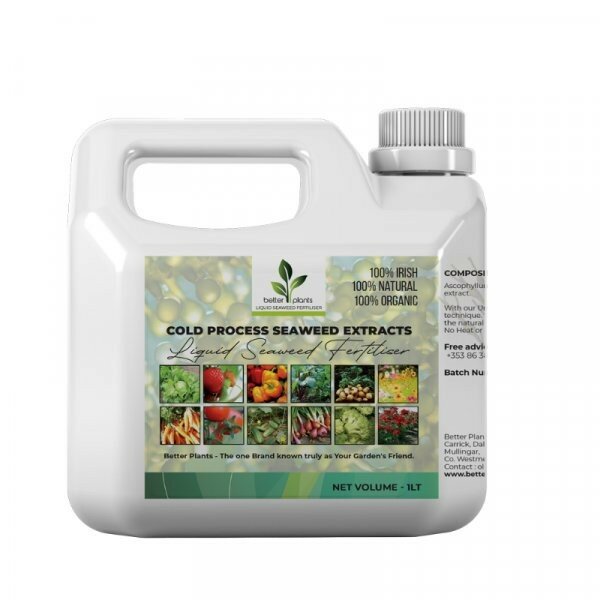
Seaweed Feed
A gentle, balanced feed rich in trace elements.
NPK Strength: Balanced (low but broad spectrum)
Best for: Overall plant health and stress resistance. General use across flowers, vegetables and shrubs.
How to use: Apply as a liquid feed during the growing season or mix granular forms into the soil.
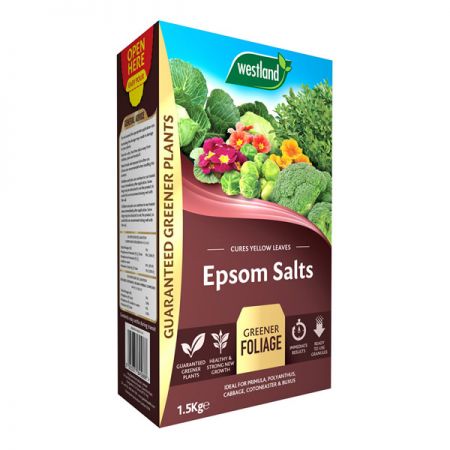
Epsom Salts
Provides magnesium rather than NPK nutrients.
NPK Strength: Not applicable (trace mineral)
Best for: Leaf colour, preventing yellowing. Particularly useful for tomatoes, roses and peppers.
How to use: Dissolve in water and apply as a foliar feed or soil drench.
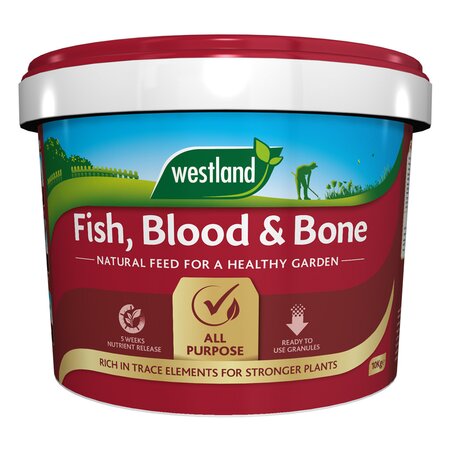
Fish, Blood & Bone
A classic balanced fertiliser.
NPK Strength: Balanced (N + P + K)
Best for: General garden use — trees, shrubs and vegetables.
How to use: Scatter and lightly fork into soil before planting or during the growing season.
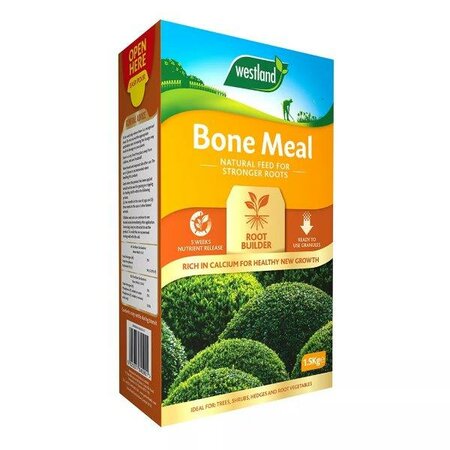
Bone Meal
Encourages strong root growth.
NPK Strength: High Phosphorus (P)
Best for: Trees, shrubs and bulbs. Potatoes and root crops.
How to use: Incorporate into planting holes or apply to soil and water in.
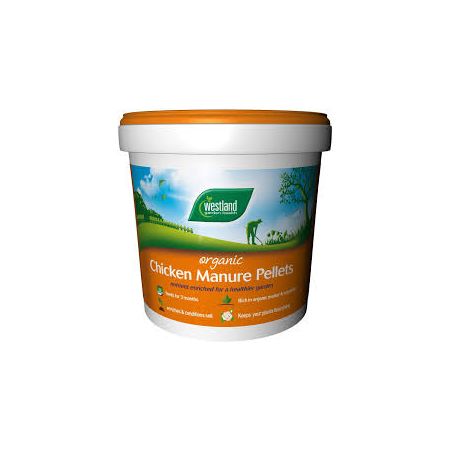
Chicken Manure Pellets
Organic and nutrient-rich.
NPK Strength: Balanced (with organic matter)
Best for: Soil improvement and veg beds.
How to use: Scatter and water in or dig into soil before planting.
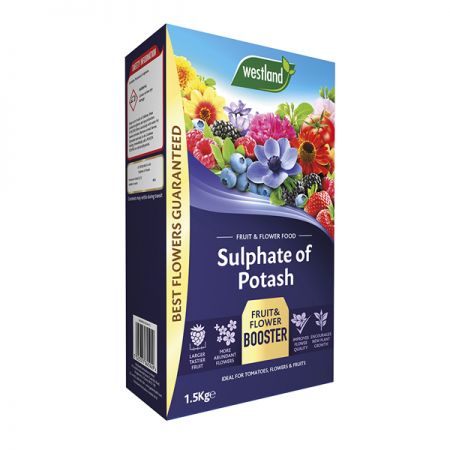
Sulphate of Potash
Boosts flowering and fruiting.
NPK Strength: High Potassium (K)
Best for: Fruit trees, tomatoes, flowers.
How to use: Apply during flowering and fruiting stages.
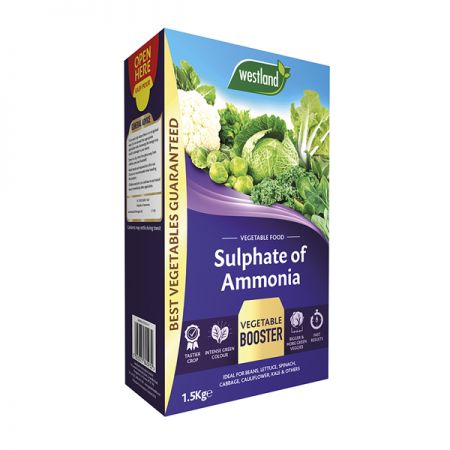
Sulphate of Ammonia
Fast-acting nitrogen boost.
NPK Strength: High Nitrogen (N)
Best for: Leafy crops like lettuce and cabbage.
How to use: Apply sparingly during active growth.
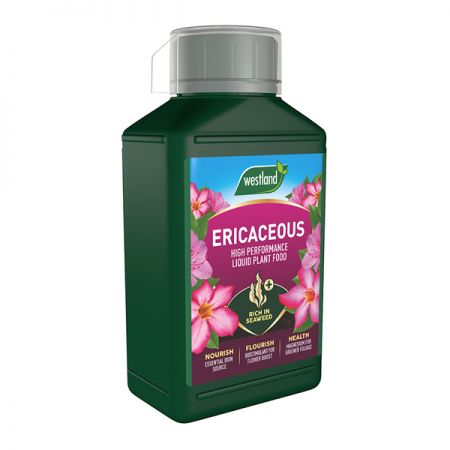
Ericaceous Feed
Formulated for acid-loving plants.
NPK Strength: Balanced (acidic formulation)
Best for: Rhododendrons, camellias, blueberries.
How to use: Apply during the growing season as directed.
General Fertilisers and Soil Improvers
Composts, farmyard manure and soil conditioners improve structure, water retention and long-term fertility. These are the foundation of healthy soil and work best alongside targeted feeding.
DIY Feeds — Natural Alternatives
Nettle Feed (Nitrogen-Rich)
Fill a bucket with nettles (be sure not to include any flower heads as some may have gone to seed and you don't want to be spreading those around) then fill with water and steep for 2–3 weeks. Drain off the liquid and dilute 1:10 before use.
This is perfect for helping the green leafy growth of plants, feeding leafy vegetables or for giving plants a boost in their early stages. It also contains many helpful trace elements that benefit plant health generally.
Comfrey Feed (Potassium-Rich)
Use comfrey (ideally 'Bocking 14' as it is sterile and won't become invasive) to create a liquid feed for flowering plants. This is done in a similar way to nettle feed, by steeping the cut leaves in water for 2-3 weeks until the leaves have mostly broken down into a brown, very smelly liquid. The best way is cut your comfrey back and fill a bucket with as much of it as you can. Top up with water and add a large stone on top to way all that organic matter down and hopefully speed up the decomposition process. Check every few weeks weeks to see if you have that brown smelly liquid which you can drain off into another bucket or bottles. You can then top the bucket up with more comfrey, if you have it, and water to give you a continuous supply. Use diluted at about a ratio of 1:10 comfrey to water - the darker the liquid is, the more you may need to dilute it. You want something that looks like weak tea when poured.
Comfrey feed is particularly useful for feeding tomatoes and peppers once the flowers have set fruit as well as flowering plants, due to its high potassium content
Homemade Compost
Composting turns waste into valuable soil improver — essential for long-term soil health. This can be made quite easily by piling up kitchen scraps (uncooked vegetable waste only), garden waste such as clippings and some 'carbon' waste such as brown cardboard either just in a large pile somewhere in the garden or by using some kind of compost convertor or container (we'll look at compost more closely in a separate article).
Which Feed Do I Need?
| Plant Type | Recommended Feed |
|---|---|
| Leafy vegetables | Sulphate of Ammonia, Nettle Feed |
| Flowering plants | Sulphate of Potash, Comfrey Feed |
| Trees & shrubs | Fish, Blood & Bone, Bone Meal |
| Acid-loving plants | Ericaceous Feed |
| General garden use | Seaweed Feed, Chicken Manure |
Final Thoughts
Choosing the right fertiliser doesn’t need to be complicated. By understanding the basics of plant nutrition and matching feeds to your plants’ needs, you can significantly improve growth, flowering and overall garden health.
Looking for the right feed for your garden?
Visit us in-store or browse online to find the perfect fertilisers for your plants.