

Kale
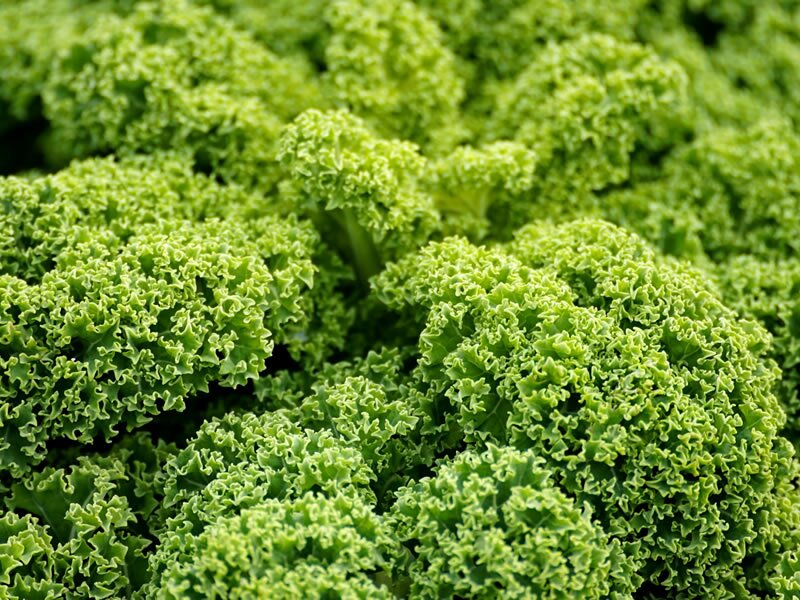
Kale (Brassica oleracea var. acephala)
Kale is a hardy and highly nutritious leafy green that is well suited to Irish growing conditions. Unlike cabbages, which take up space for a single harvest, kale can be picked over a long period, making it an excellent choice for gardeners with limited space.
Its ability to withstand cold weather makes it a valuable crop for autumn and winter harvesting.
Types of Kale
- Curly Kale – Traditional and hardy
- Cavolo Nero (Tuscan Kale) – Dark, textured leaves with excellent flavour
- Red/Purple Kale – Attractive and cold tolerant
Growing Conditions
- Soil: Firm, fertile, deep soil with good drainage but good water retention although kale will tolerate poorer soils than most brassicas.
- Light: Full sun or partial shade
- Spacing: 40–50 cm between plants
- Rotation: As a brassica these should be circulated in your rotation as such to prevent disease and pest build up in the soil.
Sowing & Planting
- You can start kale indoors from March or you can plant direct from about mid June. For indoor sowings use modular trays and plant 2 seeds, 1cm deep, per cell, once germinated if both come through, the weakest can be discarded. Then just keep an eye on the roots at the bottom of the tray and make sure you transplant them before they become pot-bound.
- For outdoor sowing, if you are using a seed-bed, i.e. a designated area where you grow seedlings outside before transplanting to their final position, you can sow seeds about 1cm deep along a drill, allowing about 10-15 cm between each plant. If sowing directly in their final position, sow about three seeds together, every 45-60cm depending on the variety. Leave 45cm between rows and once germinated, thin each cluster down to the strongest plant. This is for growing plants to maturity however if you are growing them to use young plants as salad crops, you can reduce spacing to about 7.5cm and sow little and often to ensure a succession of young plants to use.
- Transplant once seedlings are strong enough again, allowing 45-60cm spacing between plants, dependent on variety and about 45cm between rows.
- Plant firmly to support growth
- Remove any unused discoloured leaves from the bottom of the plant to encourage airflow and minimise attracting pests.
Care & Maintenance
- Water during dry periods
- Feeding isn't usually needed except in poorer soils but if you are growing kale to maturity, they will greatly benefit from a good mulch of well-rotted manure or compost. This will ensure moisture is retained, and keep the weeds down but isn't necessary if you are just growing salad crops.
- Keep weed-free while establishing and as with all brassicas, it is worth protecting your plants with some bio-mesh netting, even though they suffer brassica problems to a lesser extent than most.
Growing in Containers
- Kale is a good candidate for containers if you are only looking to grow a salad crop in pots. Choose a compact variety like 'Dwarf Green Curled' - a pot 30cm in diameter and as deep should do fine.
- Use rich compost
- Water regularly
- Give them a sunny position.
Harvesting
Harvest leaves from the bottom of the plant upwards, allowing new growth to continue. This approach can provide a long harvesting period from late summer through winter especially if you have a few plant growing where you can just take several leaves off each. Always leave the top 8 leaves if you can to allow them to grow on and insure a steady supply.
Varieties to Try
- Red Russian – Very hardy and reliable blue green kale with purple tinges. Immature leaves are nice in salads with more mature plants being good for cooking.
- Nero di Toscana – Popular for flavour and texture with dark green blistered leaves,
- Redbor F1 – Attractive curly kale with purple leaves - the leaves are quite robust and good for cooking.
- Dwarf Green Curled - Compact variety good for both salad use when young and as a cooking variety once matured,
Common Problems
- Cabbage white caterpillars: Protect with netting
- Pigeons: Can strip leaves in winter
- Clubroot: Avoid in affected soils
- Aphids: - These tend to attack the young leaves at the top of the plant later in the season but can be avoided with bio-mesh protection.
Culinary Use
- Soups and stews
- Stir-fries
- Kale chips
- Smoothies
Recipe – Crispy Kale Chips
Ingredients
Kale leaves
Olive oil
Salt
- Toss leaves lightly in oil.
- Bake at 160°C until crisp.
- Season and serve.
Popular healthy snack alternative to potato crisps.
Nutritional Information
Per 100g
- Calories: 33kcal
- Protein: 3.4g
- Carbohydrate: 1.4g
- Fat: 1.6g
- Fibre: 3.1g (NSP)
Kale is rich in vitamins A, C and K, high in fibre, calcium and folate and contains a variety of antioxidants and minerals