

Cherries
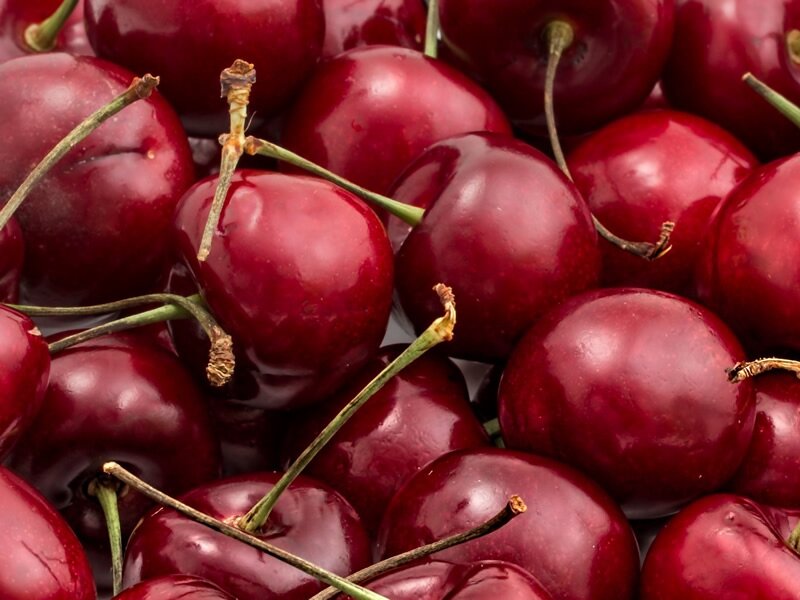
Growing Cherries in Ireland
Cherry trees are wonderfully rewarding additions to the garden, combining beautiful spring blossom with the prospect of a delicious crop of fruit in summer. They do, however, need a little more care in their positioning than some other fruit trees. Their early blossom can be vulnerable to cold winds and spring frosts, while the fruit itself is irresistible to birds!
For the best results in Ireland, choose a sunny, sheltered position, preferably against a south- or west-facing wall where possible. A warm wall can provide additional shelter and help the fruit ripen, particularly in cooler areas. Cherries also prefer fertile, well-drained soil and generally perform best in neutral to slightly acidic conditions, with a slightly acidic soil being particularly suitable.
There are two broad types of edible cherry to consider: sweet cherries, which are generally eaten fresh, and acid or sour cherries, which are particularly useful for cooking and preserving. The two groups have somewhat different growing characteristics, so it is worth considering how you intend to use the fruit before choosing your tree.
Choosing the Right Position
Cherries flower relatively early in spring, which means that blossom can be damaged by late frosts. A sheltered position is therefore particularly important in Ireland, especially in colder or exposed gardens. Avoid planting where cold winds funnel through the garden or where frost tends to collect.
Give your cherry as much sun as possible. Full sun will encourage stronger growth, better fruit ripening and good flowering. A south- or west-facing wall can be particularly useful, especially for sweet cherries that benefit from additional warmth.
The soil should be fertile and well drained, as cherries dislike waterlogged conditions. They generally prefer neutral to slightly acidic soil, with a slightly acidic soil being particularly well suited to them.
Give the Roots Some Thought
Cherry trees tend to develop a relatively shallow, spreading root system rather than sending a large proportion of their roots deeply into the ground. The exact root pattern will vary according to the rootstock and growing conditions, but it is worth bearing this in mind when deciding where to plant one.
Try to avoid a position where you will regularly need to dig or cultivate the soil beneath the tree. Repeated digging can damage the spreading feeder roots, and cherries do not particularly appreciate having their root zone disturbed once established.
A mulch of well-rotted garden compost or other suitable organic matter is a better way of maintaining the soil around the tree. Keep the mulch away from direct contact with the trunk, and extend it over as much of the root zone as practical.
Sweet or Sour?
Although both types are cherries, sweet and acid cherries are grown for rather different purposes.
Sweet cherries produce the large, juicy cherries that we usually think of eating fresh. They tend to need a warm, sheltered position and many varieties require a suitable pollinating partner.
Acid or sour cherries tend to be smaller and more tart, making them particularly good for pies, crumbles, jams, sauces and preserves. They are generally more forgiving than sweet cherries and many of the commonly grown varieties are self-fertile.
Pollination
Always check the pollination requirements of the variety you choose before buying a cherry tree.
Many of the popular acid cherries are self-fertile, meaning that you can grow a single tree and still expect it to produce fruit. ‘Morello’ is a particularly good example and is one of the most reliable acid cherries for the home garden.
Sweet cherries are more varied. Some modern cultivars, including ‘Stella’, ‘Sunburst’, ‘Lapins’ and ‘Sweetheart’, are self-fertile and can be grown successfully as a single tree. Other sweet cherries need a compatible pollinating partner flowering at approximately the same time.
Even with a self-fertile variety, good pollination depends on insects being active during flowering. A sheltered position can therefore help not only by protecting the blossom from cold winds but also by making it easier for bees and other pollinating insects to work the flowers.
Cherry Varieties to Consider
There are many cherry varieties available, and availability changes from year to year. The following are useful examples of the different characteristics you may come across when choosing a tree for an Irish garden.
Sweet Cherries
- ‘Stella’ – One of the best-known self-fertile sweet cherries and a particularly useful choice when you only have room for one tree. It produces large, dark red to almost black fruit with a rich flavour and generally crops reliably. It ripens around late July. One thing to bear in mind is that the fruit can be prone to splitting in wet weather.
- ‘Sunburst’ – A self-fertile sweet cherry producing large, dark fruit with good flavour. It is another useful choice for a garden where a pollinating partner is not practical.
- ‘Lapins’ – A self-fertile variety producing large, dark red fruit with good flavour and good resistance to splitting. It is a later-season sweet cherry, making it useful for extending the harvest beyond earlier varieties.
- ‘Sweetheart’ – A self-fertile, late-season cherry producing firm, well-flavoured red fruit. It is a heavy cropper and its relatively good resistance to cracking makes it an interesting choice for wetter climates.
- ‘Merton Glory’ – An early sweet cherry with attractive pale yellow fruit flushed with red. It produces sweet, juicy fruit and can be particularly successful when trained against a warm wall. It is not self-fertile, so a suitable pollinating partner is needed.
- ‘Kordia’ – A mid- to late-season sweet cherry producing large, dark red to almost black, firm fruit with excellent flavour. It is not self-fertile, so a compatible pollinator is required.
Acid or Sour Cherries
- ‘Morello’ – Probably the best-known acid cherry for the home garden and an excellent choice for cooking and preserving. The dark red fruit has a pleasantly sharp flavour and is particularly good in pies, crumbles, jams and other preserves. It is self-fertile and can crop reliably even in less-than-perfect conditions.
- ‘Meteor Korai’ – A compact, self-fertile cherry with good crops of fruit suitable both for eating and cooking. Its naturally smaller habit can make it useful where space is limited.
- ‘Nabella’ – A self-fertile acid cherry particularly suited to jams, pies and other cooking uses. It can be a useful alternative to ‘Morello’ where a slightly different harvest or growth habit is wanted.
When choosing between varieties, think about more than just the flavour of the fruit. Self-fertility, eventual tree size, harvest time, resistance to splitting and the amount of shelter available in your garden can all make a significant difference to how successful your tree will be.
Is It Worth Growing More Than One?
If you have the space, growing more than one cherry can extend the season and give you a more reliable overall harvest, but it is certainly not essential for many home gardens.
With a self-fertile variety such as ‘Stella’, ‘Sunburst’, ‘Lapins’, ‘Sweetheart’ or ‘Morello’, a single tree can produce a surprisingly generous crop. If you choose a variety that needs cross-pollination, however, you will need to make sure there is a compatible partner flowering at the same time.
Rather than planting several trees that all ripen at the same time, gardeners with plenty of space may find it more useful to choose varieties with different harvest periods. This spreads the cherry season and can make it easier to enjoy the fruit fresh rather than dealing with one enormous crop all at once.
Growing Cherries in Containers
Some cherries can be grown successfully in large containers, particularly when grafted onto a suitable dwarfing or semi-dwarfing rootstock. ‘Lapins’, ‘Sunburst’ and ‘Stella’ are examples of self-fertile cherries that can be suitable for container growing when supplied on an appropriate rootstock.
Acid cherries such as ‘Morello’ can also be useful choices for smaller gardens, particularly when grown as a fan against a wall or fence. Container-grown trees will need more regular watering and feeding than trees planted in the ground, as their root systems are restricted and the compost can dry out more quickly.
When buying a cherry for a small garden, always check the rootstock as well as the variety. The rootstock has a major influence on the eventual size of the tree.
Planting and Caring for Your Cherry Tree
Plant your cherry in well-prepared, fertile, well-drained soil, taking care not to plant deeper than it was growing previously. If buying a grafted tree, the graft union should remain clearly above soil level.
Water thoroughly after planting and continue to water during dry periods while the tree establishes. This is particularly important during the first couple of growing seasons and whenever the tree is producing fruit.
Mulching around the tree helps retain moisture, suppress weeds and improve the soil. Because cherry roots tend to spread relatively close to the surface, keeping a good weed-free area around the tree can also reduce competition for water and nutrients without the need for repeated digging.
Pruning Cherries – Don't Prune Them in Winter
One of the most important things to remember about cherries is that established cherry trees should not be routinely pruned in winter. Unlike apples and pears, which are commonly pruned while dormant, cherries are best pruned in summer, normally shortly after harvesting.
The reason is largely disease-related. Cherries are particularly susceptible to silver leaf and bacterial canker, and pruning creates wounds through which these diseases can enter.
Silver Leaf
Silver leaf is a fungal disease that can affect cherries and other members of the Prunus family. One of its most recognisable symptoms is a silvery appearance to the leaves, while the wood beneath infected branches can show dark staining. The fungus produces most of its infectious spores during autumn and winter, and fresh pruning wounds provide an easy point of entry.
Summer pruning therefore gives the tree a much better chance of sealing the wound before the main period of silver leaf spore production. This is one of the main reasons cherries should be pruned after harvesting rather than during the dormant winter period.
Bacterial Canker
Bacterial canker is another serious disease of cherries and other Prunus species. It is caused by bacteria that can enter through wounds and leaf scars, producing sunken areas of dead bark, dieback and sometimes small holes in the leaves known as ‘shothole’.
The bacteria can be particularly problematic around autumn and winter when wounds and leaf scars provide opportunities for infection. During the warmer summer months, cherry tissues are more resistant to infection, which is another reason summer pruning is recommended.
For routine pruning, wait until after harvesting and choose a dry spell. The RHS recommends pruning established cherries in July or August, when the risks from both silver leaf and bacterial canker are lower.
If you are pruning a fan-trained tree, summer pruning also helps maintain the shape and keeps fruiting wood close to the framework. Fan-trained cherries are particularly useful in smaller gardens and can be trained against a warm wall, where the tree is easier to prune, harvest and protect.
Protecting Blossom from Frost
Cherry blossom is particularly vulnerable to spring frosts, so a sheltered position is your first line of defence. If a late frost is forecast while a tree is in flower, horticultural fleece can be used to provide additional protection.
Cover the tree before a cold night and remove the fleece during the day once temperatures rise. This is particularly important while the tree is flowering because pollinating insects need access to the flowers. Keeping a tree permanently covered would prevent bees and other insects from reaching the blossom and could reduce pollination.
Fan-trained trees can be especially convenient here, as the blossom is easier to cover than that of a large freestanding tree.
Protecting Cherries from Birds
Unfortunately, birds often discover ripe cherries before we do! If you want to harvest a worthwhile proportion of your crop, some form of bird protection may be necessary.
Netting is one of the most effective methods, particularly for smaller trees and fan-trained trees. The netting should completely enclose the fruiting area and be checked regularly.
Ensure the netting is taut and fastened securely so birds and other wildlife don’t get entangled in it.
Fan-training can be particularly useful because it keeps the branches relatively close to the wall, making the tree easier to cover securely and allowing the fruit to be harvested without needing to work around a large canopy.
Harvesting Cherries
Cherries are generally ready to harvest when the fruit has developed its full colour and flavour. Unlike pears, cherries do not continue to ripen significantly after picking, so they should be allowed to reach eating maturity on the tree.
Pick carefully, preferably retaining the stalks if you want the fruit to keep for as long as possible. Try not to bruise the fruit, as damaged cherries deteriorate quickly.
Harvest regularly as the fruit ripens. This not only gives you the best flavour but also reduces the opportunity for birds and other pests to take the crop before you do.
What Can I Do With a Cherry Glut?
Sweet cherries are wonderful eaten fresh, but even a single productive tree can provide more fruit than a household can eat immediately. Surplus cherries can be frozen, bottled or used in baking and desserts.
Acid cherries such as ‘Morello’ are particularly versatile. They are excellent for:
- Cherry pies and crumbles
- Jams and preserves
- Cherry sauces for desserts or savoury dishes
- Compotes and fruit sauces
- Cherry cakes and tarts
- Freezing for use later in the year
- Preserving in syrup
Sweet cherries can also be frozen for later use in desserts, sauces and baking, although they are particularly difficult to resist when eaten fresh from the tree!
Common Cherry Problems
- Frost damage – Early blossom can be damaged by late spring frosts. Choose a sheltered site and use fleece during particularly cold nights if necessary.
- Bird damage – Birds can strip a crop surprisingly quickly once the fruit begins to colour. Netting is often the most reliable protection.
- Fruit splitting – Some sweet cherry varieties are more prone to splitting, particularly in wet weather. This can be a consideration in Ireland when choosing a variety.
- Silver leaf – Avoid winter pruning and prune during dry summer weather to reduce the risk of infection.
- Bacterial canker – Look out for areas of dead or sunken bark, dieback and ‘shothole’ symptoms on the leaves. Good pruning practice and avoiding unnecessary wounds are important preventative measures.
- Brown rot – This fungal disease causes brown, rapidly spreading rot on fruit. Damaged fruit is particularly susceptible, so protecting cherries from birds and removing affected fruit can help reduce problems.
- Cherry leaf spot and leaf scorch – These fungal diseases can cause yellowing, spotting, browning and premature leaf loss. Good hygiene and avoiding conditions that keep foliage wet for prolonged periods can help reduce their impact.
Final Thoughts
Cherries can be surprisingly straightforward to grow if you get the fundamentals right. Give them a sunny, sheltered position, well-drained slightly acidic soil and enough room for their spreading root system, and choose a variety suited to the space you have available.
For smaller gardens, a self-fertile cherry on a dwarfing rootstock can provide a very worthwhile crop without requiring a large tree. Acid cherries such as ‘Morello’ are particularly useful for cooking and can be more forgiving, while sweet cherries such as ‘Stella’, ‘Sunburst’, ‘Lapins’ and ‘Sweetheart’ can provide excellent fruit for eating straight from the tree without requiring a second pollinator.
Remember the two most important seasonal jobs: protect the blossom from spring frosts when necessary, and prune the tree after harvesting rather than in winter. Keep the birds out as the fruit ripens and, with a little luck from the Irish summer weather, you should be rewarded with one of the most delicious fruits you can grow at home.
For more information on choosing, planting and caring for fruit trees, see our Growing Fruit Trees guide.