
Why Houseplants Are More Than Just Pretty Additions To Your Home
There’s something wonderfully calming about having greenery indoors. Houseplants bring a little piece of nature into our homes, brightening our spaces and lifting our mood. Studies suggest that simply being around plants can reduce stress, boost concentration, and help us feel more positive. On the practical side, many houseplants – including Aloe Vera – can help improve indoor air quality by filtering out certain toxins and increasing humidity. It’s a small, natural step towards a fresher, healthier home.
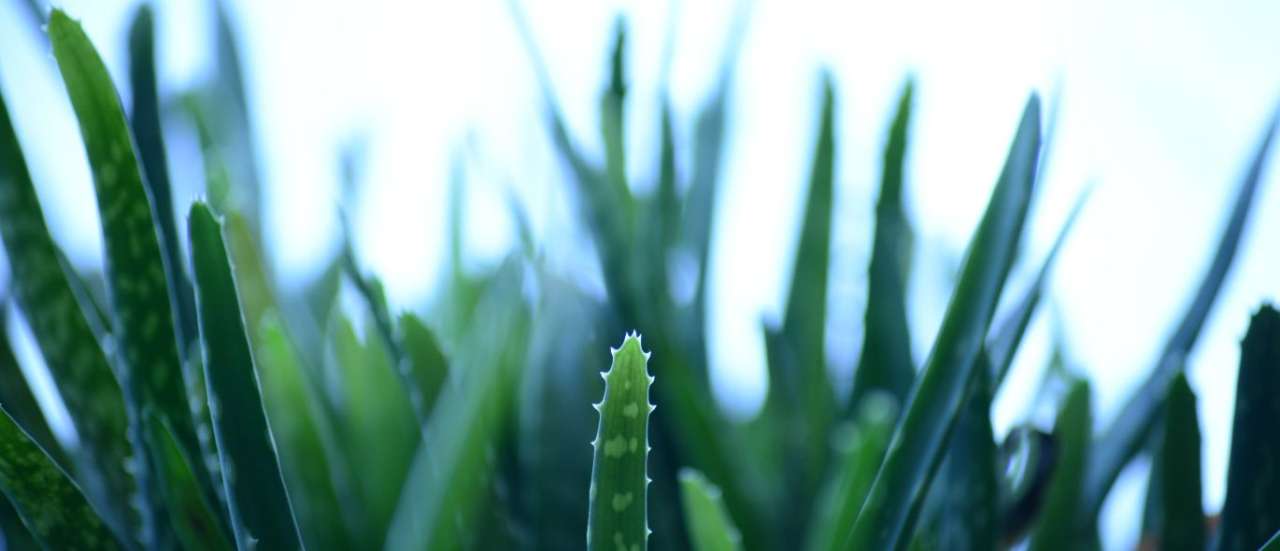 Close up of several Aloe Vera plants grouped together in a container display - Image courtesy of PickPik
Meet Aloe Vera – Nature’s Multi-Tasker
Aloe Vera is more than just an attractive addition to your windowsill – it’s been prized for centuries for its medicinal qualities. Inside its fleshy, pointed leaves lies a soothing gel often used to calm minor burns, moisturise skin, and refresh after sun exposure. While you shouldn’t ingest it without proper preparation, Aloe Vera’s topical uses are well-known and widely appreciated.
From a decorative perspective, Aloe Vera’s bold, sculptural leaves bring structure and a touch of the exotic to any room. Best of all, it’s easy to care for, making it a great choice even for those who claim they have “no luck with plants.”
Varieties Worth Knowing
- Medivera Equator – With slightly broader leaves and a compact form, this variety has a rich, green tone and a sturdy presence. Perfect for a sunny kitchen windowsill or office desk.
- Medivera Tropical – A little more delicate in leaf structure, with a touch of lighter variegation, this variety adds visual interest and pairs beautifully with other tropical-style plants.
Caring for Aloe Vera
Light & Position:
Aloe Vera loves the sun – a bright, south- or west-facing windowsill is ideal. They can tolerate slightly lower light, but their growth will be slower.
Temperature & Humidity:
These plants prefer warm conditions and will be happiest between 18–24°C. They can handle cooler nights but avoid cold draughts or placing them directly against single-glazed winter windows.
Watering:
Think “less is more.” Let the soil dry out completely between waterings, then water thoroughly and allow excess to drain away. Overwatering is the quickest way to harm an Aloe Vera.
Feeding:
During the active growing season (spring and summer), feed every 4–6 weeks with a diluted houseplant fertiliser. No feeding is needed during the autumn and winter rest period.
Repotting:
Aloes don’t mind being a little snug in their pots. Repot only when necessary, usually every 2–3 years, using a free-draining cactus or succulent compost.
Designing an Indoor Landscape
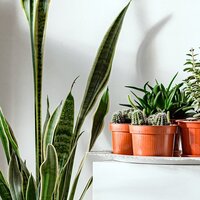
The Medivera Equator and Medivera Tropical varieties lend themselves beautifully to plant groupings. Try pairing them with other low-maintenance houseplants such as Snake Plants, Jade Plants, or small cacti. Mixing different leaf shapes, colours, and heights can create a visually striking display – perfect for a bright conservatory corner, a sunny dining room shelf, or even as a living centrepiece for your coffee table.
For an extra touch of charm, consider setting them in decorative terracotta or ceramic pots – the earthy tones make the Aloe’s vibrant leaves pop.
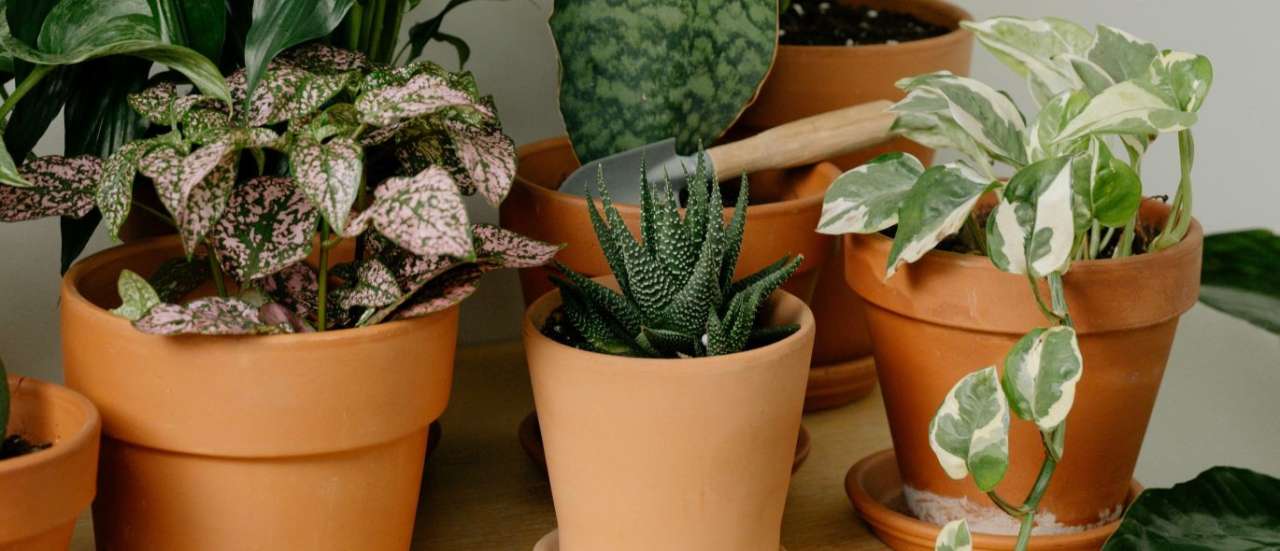 Aloe Vera combined with other houseplants in terracotta pots to create an attractive sideboard display - Photo by cottonbro studio courtesy of Pexels (CC0 1.0)
Final Thoughts
Aloe Vera is the perfect combination of beauty, practicality, and resilience. It’s a plant that gives more than it asks for, offering year-round visual appeal and the bonus of natural skin-soothing gel. Whether you choose the rich-toned Medivera Equator or the lighter, patterned Medivera Tropical, you’ll be bringing a little more life – and a lot more calm – into your home.
So, next time you’re visiting us at the garden centre, pop over to our houseplant section and see these wonderful Aloes for yourself. You might just find they’re the perfect fit for your windowsill – and your wellbeing - they make great gifts too!