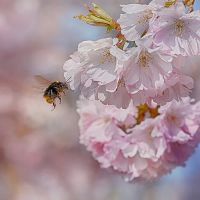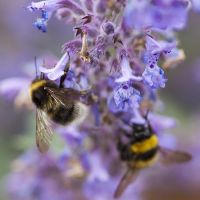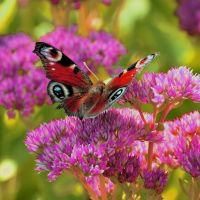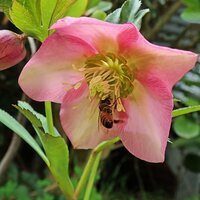

Gardening has always been about balance – the right plant in the right place, the right mix of beauty and practicality, and, more recently, the right choices for biodiversity. Here in the west of Ireland, our gardens are shaped by our unique climate, but as weather patterns shift and insect populations change, we may need to rethink how we plant for the future.
One interesting example of this change is the comma butterfly, which was once absent from Ireland but has been steadily making its way across the country. Its presence reminds us that wildlife is on the move, responding to changing conditions. As gardeners, we can embrace this adaptability by planting for a wide range of eventualities – supporting both our much-loved native species and those newcomers that may find a home here.
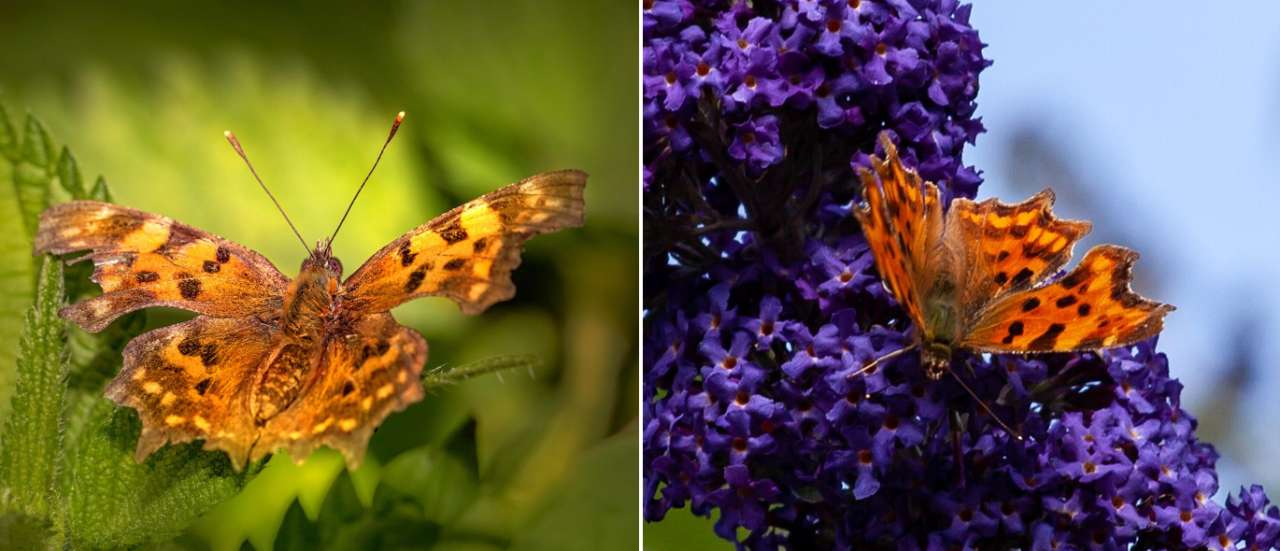 Above we see the comma butterfly benefiting from the native nettle (left) and the cultivated buddleja or 'butterfly bush' (right) demonstrating how both native species and cultivars can help extend the season of nectar - Images by Erik Karits and Kev from Pixabay
The key idea? A resilient garden is a diverse garden. By blending native plants with well-chosen cultivated varieties, we create ecosystems that not only support today’s bees, butterflies, and birds, but also those that may arrive tomorrow.
Why Diversity Matters
- Native species: Co-evolved with Irish wildlife and provide exactly what local insects, birds, and mammals need.
- Cultivated species: Extend the flowering season, provide nectar when little else is around, and increase the range of food sources in the garden.
Of course, we should always avoid invasive non-natives that threaten local ecosystems. But within safe limits, combining native and cultivated plants gives our gardens a flexibility that mirrors what’s happening in nature – making them more resilient to change.
Native Plants to Support Irish Wildlife
- Hawthorn (Crataegus monogyna)
- Rowan (Sorbus aucuparia)
- Wild honeysuckle (Lonicera periclymenum)
- Foxglove (Digitalis purpurea)
- Meadowsweet (Filipendula ulmaria)
- Wild thyme (Thymus polytrichus)
- Common knapweed (Centaurea nigra)
- Silver birch (Betula pendula)
Cultivated Plants for Pollinators & Wildlife
- Lavandula ‘Hidcote’ (English lavender)
- Sedum (Hylotelephium ‘Autumn Joy’)
- Echinacea purpurea (Coneflower)
- Nepeta ‘Walker’s Low’ (Catmint)
- Agastache ‘Blue Fortune’
- Verbena bonariensis
- Rudbeckia fulgida ‘Goldsturm’
- Salvia ‘Caradonna’
- Helleborus (orientalis and/or foetidus)
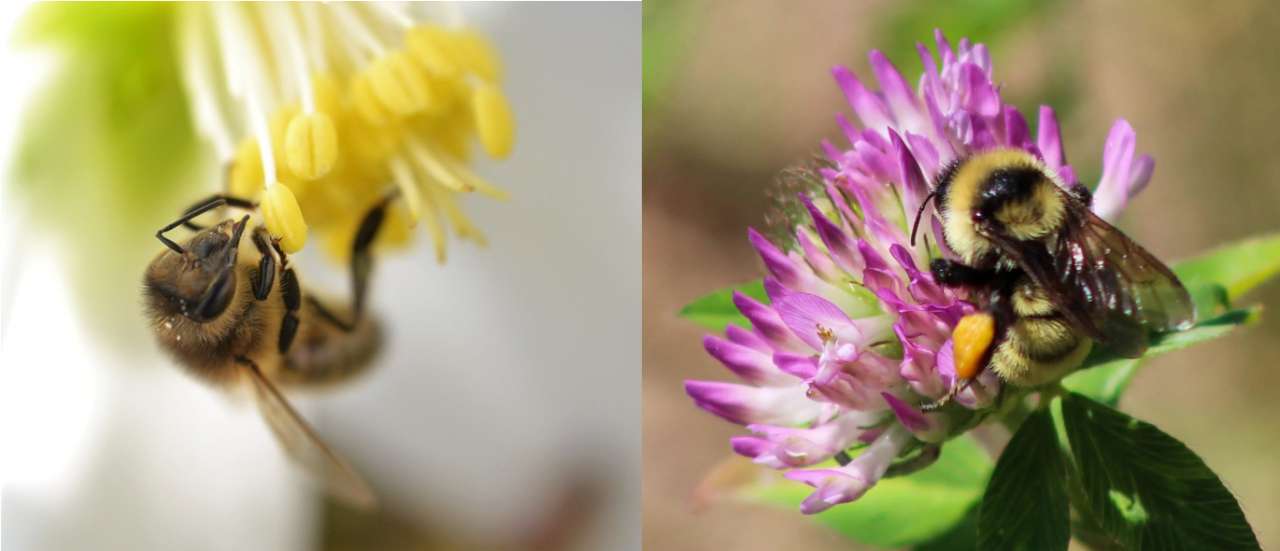 Above we see bees benefiting from the cultivated helleborus niger (left) during the winter season where little else is available to them and native red clover (right) which will be available from summer into autumn. This demonstrates how native and cultivated species can be used to extend the season of available nectar and give our wildlife a boost - Images from Conall (Flickr CC BY-SA 2.0) and Michelle Frechette (CC0 - WordPress Photo Directory)
A Note of Caution
While it’s tempting to try every exotic plant available, we need to remember that not all newcomers are welcome. Some non-natives can become invasive and upset the balance of our natural ecosystems. A thoughtful approach – choosing reliable natives as the backbone and supplementing with wildlife-friendly cultivars – is the safest way forward.
Final Thoughts
Gardens are living, breathing ecosystems. By planting with both biodiversity and adaptability in mind, we future-proof our spaces. The hawthorn that feeds your local starlings today might stand alongside a lavender that supports a newly arrived butterfly tomorrow. Together, they form a tapestry that is richer, more resilient, and more rewarding for us and for wildlife alike.
Looking to create a more resilient, wildlife-friendly garden?
Visit us in-store to explore our range of native plants and pollinator-friendly cultivars or shop our range of Plants for Pollinators online. Together, we can grow gardens that thrive no matter what the future brings.