
There are few sights more captivating in the autumn garden than ornamental grasses. Their swaying plumes, delicate textures, and shifting colours bring a sense of movement and atmosphere at a time when many perennials are fading. Whether you’re planting them in borders, pairing them with autumn perennials, or using them in containers for striking displays, ornamental grasses are indispensable for extending the beauty of your garden well into the colder months.
Why Ornamental Grasses Shine in Autumn
As summer flowers wane, ornamental grasses come into their own. Their seed heads and feathery plumes glow in the slanting autumn sun, providing structure and texture that carry the garden into winter. They pair beautifully with plants such as Rudbeckia, Asters, Echinacea, and Japanese Anemones, adding both contrast and harmony to mixed borders. Many are also wildlife-friendly, offering seeds for birds and shelter for overwintering insects.
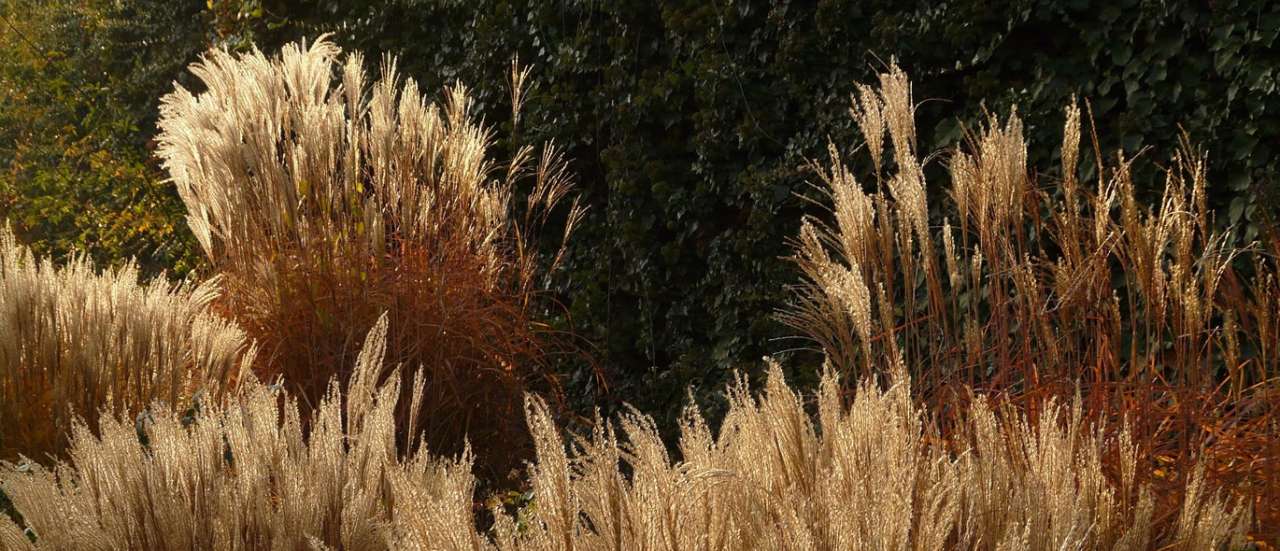
Above - Miscanthus sinensis catching the low autumn light - Image by Hans from Pixabay
Choosing Ornamental Grasses for Every Garden
One of the greatest strengths of ornamental grasses is their versatility. Whether you garden on dry sandy soil, in damp ground, in sun or in shade, there’s a grass to suit your conditions. Here are eight wonderful examples:
- Miscanthus sinensis ‘Kleine Silberspinne’ – Arching, narrow leaves with white midribs and feathery reddish flower heads from summer into winter; best in full sun and moist but well-drained soil.
- Molinia caerulea 'Heidebraut' (Purple Moor Grass) – Tall, airy stems with purple tints turning orange-yellow in the autumn; thrives in damp or acidic soils and naturalistic plantings.
- Stipa tenuissima (Mexican Feather Grass - e.g. Pony Tails) – Light and airy, thriving in free-draining soil; adds a soft, billowing effect in sun.
- Calamagrostis × acutiflora ‘Karl Foerster’ – Upright, architectural plumes that stand through autumn and into winter; tolerant of a wide range of soils.
- Cortaderia selloana ‘Pumila’ (Dwarf Pampas Grass) – Creamy, dramatic plumes in autumn light; best in sunny, well-drained spots.
- Hakonechloa macra ‘Aureola’ (Japanese Forest Grass) – Low-growing, golden-striped leaves for shady borders or woodland settings.
- Carex testacea (Orange New Zealand Sedge) – Bronze-orange foliage that intensifies in autumn; excellent for pots or borders in sun or partial shade.
- Festuca Valesiaca Glaucantha - Evergreen clump forming grass with stiff, upright, extremely attractive bright blue foliage; can be grown in any well-drained soil in full sun.
How to Plant, Grow, and Care for Ornamental Grasses
Most ornamental grasses are wonderfully easy to grow. Plant in spring or early autumn so roots establish before weather extremes. Prepare the soil by removing weeds and incorporating compost for improved structure and drainage. Space according to mature size – grasses need room to show off their natural shape.
Care tips:
- Watering: Keep newly planted grasses watered until established. Many become drought-tolerant thereafter, especially those for sunny, free-draining sites.
- Feeding: A mulch of garden compost in spring is usually sufficient; avoid rich feeds that encourage floppy growth.
- Pruning: Leave plumes standing through winter for beauty and wildlife value. Cut deciduous grasses back to a few centimetres above ground in late February or early March, just before new growth. Comb through evergreen grasses to remove old foliage rather than cutting hard.
- Dividing: Rejuvenate congested clumps every 3–4 years in spring. Split and replant the most vigorous outer sections.
Ornamental Grasses in Containers
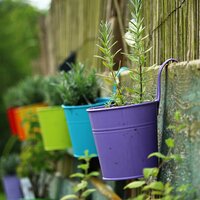
If you’re short on space or want instant focal points, grasses are excellent in pots. Choose a free-draining, peat-free compost with some grit for drainage, use a container with ample drainage holes, and add slow-release fertiliser. Water regularly in dry weather and raise pots on feet over winter if drainage is an issue.
Three inspiring container combinations:
- Pennisetum ‘Hameln’ with Rudbeckia ‘Goldsturm’ and trailing Hedera – a warm, glowing pot for autumn patios.
- Carex testacea with Heuchera ‘Obsidian’ and compact Skimmia japonica – striking foliage contrasts in bronze, black, and deep green.
- Hakonechloa ‘Aureola’ with Hosta ‘Halcyon’ and Polystichum (fern) – a graceful, textural planting for a shaded terrace.
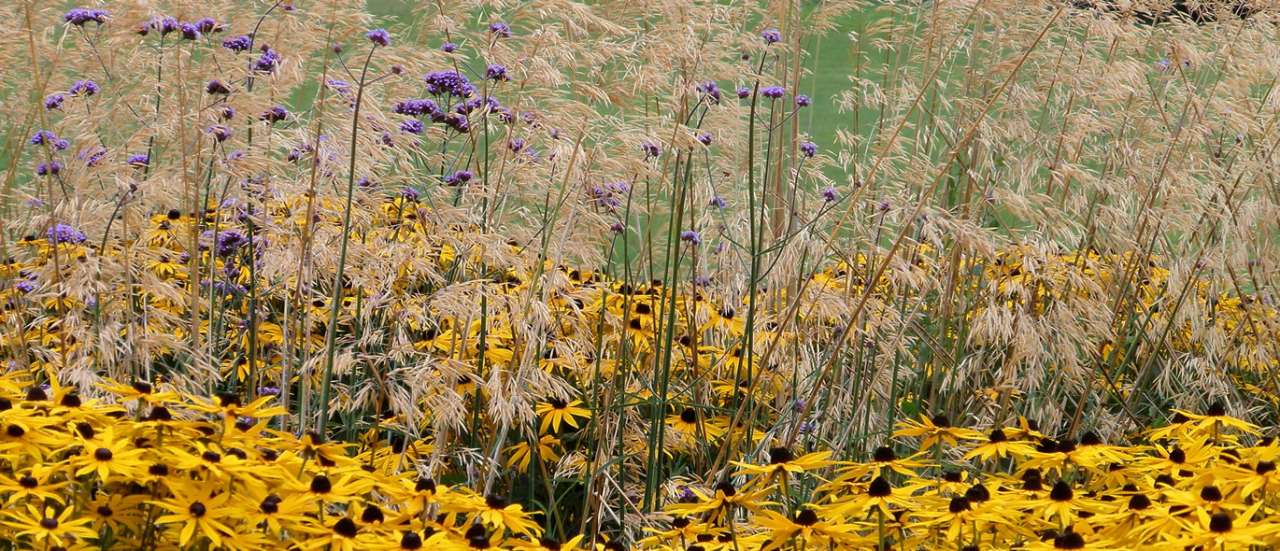
Above - Rudbeckia and Verbena 'Lollipop' set against a backdrop of Stipa Gigantea at Ragley Hall Gardens - Photo by Amanda Slater (CC BY-SA 2.0 - flickr)
Not Just for Autumn
While autumn may be when ornamental grasses truly shine, it’s worth remembering that many offer year-round appeal. Some varieties are evergreen (such as Carex oshimensis ‘Evergold’, Festuca glauca, and Uncinia rubra 'Everflame'), providing colour and structure even in the depths of winter. Others are deciduous but still make a big impact in spring and summer – think of the cascading golden leaves of Hakonechloa macra ‘Aureola’ or the striking upright stems of Calamagrostis ‘Karl Foerster’, which emerge fresh and green in spring before sending up their airy flower spikes in early summer. In short, grasses bring interest to the garden across all seasons, not just autumn.
Final Thoughts
Ornamental grasses are the quiet stars of the autumn garden. They catch the light, soften planting schemes, and provide beauty well beyond their flowering season. Whether you’re planting them in borders, experimenting with containers, or creating naturalistic drifts, there’s a grass for every garden style and condition.
If you’ve yet to try them, autumn is the perfect time to add a few to your garden. They’ll reward you year after year with their understated elegance and seasonal charm.
Inspired to add ornamental grasses to your garden this autumn?
Visit us in-store at Boyle or Roscommon, or browse our online shop for a beautiful range of ornamental grasses, perennials, and shrubs perfect for autumn planting.