
Did you know that some houseplants don’t just look beautiful – they also help to clean the air you breathe? Back in 1986, NASA teamed up with the Associated Landscape Contractors of America for a landmark 'Clean Air Study'. Their findings suggested that, in addition to absorbing carbon dioxide and releasing oxygen, certain plants could also reduce airborne toxins such as benzene, formaldehyde, and trichloroethylene – chemicals known as Volatile Organic Compounds (VOCs).
While the study was conducted in sealed lab conditions, later research has shown that both plants and the micro-organisms in their potting soil can make a positive contribution to indoor air quality. At the very least, these plants will bring you vibrant greenery and a sense of calm indoors.*
*Orwell, R.; Wood, R.; Tarran, J.; Torpy, F.; Burchett, M. (2004). "Removal of Benzene by the Indoor Plant/Substrate Microcosm and Implications for Air Quality". Water, Air, & Soil Pollution. 157 (1–4): 193–207
Top Air-Purifying Plants for Your Home
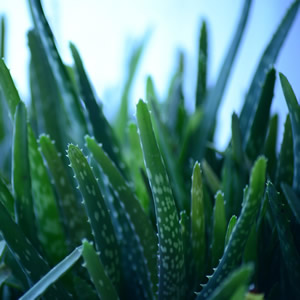
Aloe Vera
A much-loved succulent that looks stylish and doubles as a handy skin soother.
- Light: Prefers bright, sunny windowsills or conservatories.
- Water: Allow soil to dry out between waterings.
- Display idea: Great for kitchens or sunrooms.

Ivy (Hedera)
Classic greenery with attractive lobed leaves, often edged with silver or gold.
- Light: Thrives in bright, indirect light.
- Water: Keep compost evenly moist, but not waterlogged.
- Display idea: Let it trail from a shelf or train up a support.
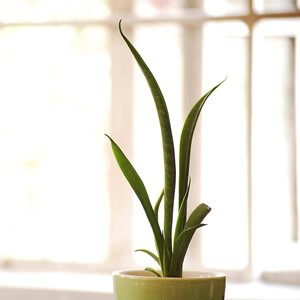
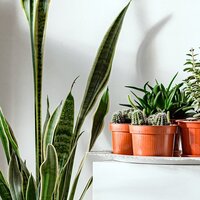
Mother-in-Law’s Tongue (Sansevieria)
Virtually indestructible, with tall, architectural leaves that make a statement.
- Light: Tolerates both low light and bright conditions.
- Water: Minimal – perfect if you forget to water!
- Display idea: Looks dramatic in large pots in living areas.
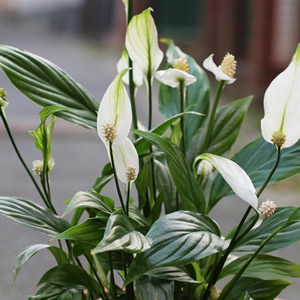
Peace Lily (Spathiphyllum)
Elegant, calming, and renowned for its glossy leaves and striking white flowers.
- Light: Bright, dappled light preferred, but tolerates shade.
- Water: Keep soil evenly moist, mist leaves in dry rooms.
- Display idea: Perfect for bedrooms and living rooms.
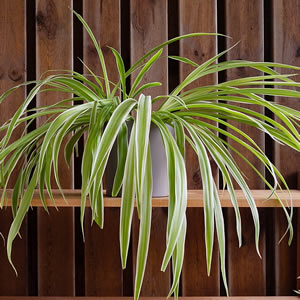
Spider Plant (Chlorophytum)
A cheerful and forgiving houseplant, famous for its arching, variegated leaves.
- Light: Bright, indirect light is ideal.
- Water: Keep soil lightly moist, but don’t over-water.
- Display idea: Stunning in a hanging pot where baby plants cascade down.
Other Beneficial Houseplants
Many more indoor plants – from ferns to palms – are believed to contribute to fresher indoor air. Just as importantly, studies show that keeping and caring for houseplants has positive effects on mental well-being, helping to reduce stress and lift your mood.
Top Tips for Success
- Choose plants to match the light levels in your home – bright spots for succulents, shadier corners for peace lilies and ivy.
- Don’t over-water – most houseplants prefer to dry out slightly between waterings.
- Group plants together to create a mini indoor jungle and boost humidity naturally.
- Wipe leaves occasionally to keep them dust-free and able to “breathe”.
- Re-pot every couple of years with fresh compost to keep them thriving.
Final Thoughts
While you shouldn’t rely solely on houseplants for clean air, filling your home with greenery can only be a good thing. These plants not only look beautiful but also support a healthier, happier indoor environment. Whether you choose a dramatic sansevieria, a calming peace lily, or a cheerful spider plant, you’ll enjoy the rewards of bringing nature indoors.
Ready to refresh your home with air-purifying plants?
We stock a wide range of houseplants online and an even bigger selection in-store. Drop in to explore our collection and chat with our friendly, knowledgeable staff – we’re always happy to help you find the perfect plant for your space.
Reference: Orwell, R.; Wood, R.; Tarran, J.; Torpy, F.; Burchett, M. (2004). “Removal of Benzene by the Indoor Plant/Substrate Microcosm and Implications for Air Quality”. Water, Air, & Soil Pollution. 157 (1–4): 193–207.