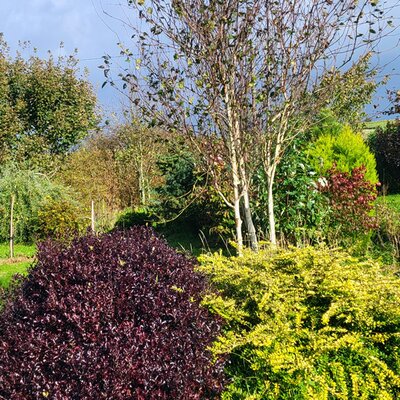

Dahlias are among the most rewarding summer-flowering plants you can grow, producing a dazzling display of colour from midsummer right through to the first autumn frosts. Loved for their diversity, dahlias come in an extraordinary range of flower shapes, colours and sizes — from delicate, button-like blooms to dramatic dinner-plate flowers. Whether grown in borders, containers or dedicated cutting gardens, they provide months of vibrant colour and are remarkably generous when it comes to producing flowers.
The many forms of dahlia flowers
Part of the appeal of dahlias is the incredible variety of flower forms available. Some of the most popular include:
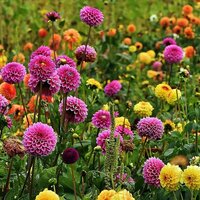
Pompon dahlias: Perfectly rounded, ball-shaped blooms made up of tightly packed petals. Compact and very neat in appearance.
Ball dahlias: Slightly larger than pompons but similarly structured, producing uniform spherical flowers ideal for cutting.
Cactus dahlias: Striking flowers with long, narrow petals that roll backwards, giving the bloom a dramatic, spiky appearance.
Semi-cactus dahlias: A slightly softer version of cactus types with broader petals but the same starburst effect.
Decorative dahlias: Large, full flowers with broad petals arranged in layers — often the varieties that produce the biggest “dinner plate” blooms.
Single dahlias: Simpler flowers with an open centre that are particularly attractive to pollinators.
Buying dahlias
Dahlias can be grown in several ways depending on the gardener’s preference. They are commonly available as potted plants ready to plant out, as dahlia tubers which are planted in spring, or as seed-grown bedding varieties which provide colourful annual displays.
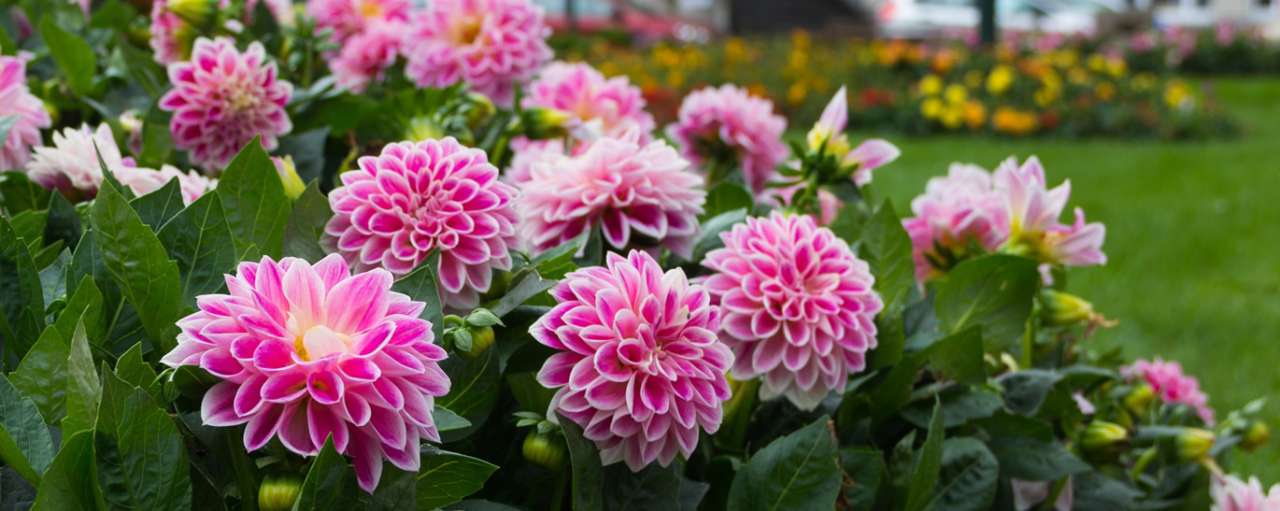
Dahlias can be planted in groups to provide a stunning bed of summer/autumn colour - Image courtesy of PickPik
Where Dahlias Grow Best
Position: Dahlias thrive in sunny positions where they receive at least six hours of direct sunlight per day. A sheltered location protected from strong winds will help prevent taller varieties from being damaged and encourages stronger stems.
Soil: Dahlias prefer fertile, well-drained soil enriched with organic matter. Incorporating compost or well-rotted manure before planting will provide the nutrients needed for strong growth and abundant flowering.
Spacing: Allow adequate space between plants to promote airflow and healthy growth — typically 40–60cm depending on the variety.
Planting and Growing Dahlias
Planting Potted Dahlias
Potted dahlias are often available from late spring onwards and provide a quick way to establish instant colour in borders or containers. Harden plants off before planting outdoors and wait until the risk of frost has passed.
Dig a planting hole slightly larger than the pot and incorporate compost into the soil. Water thoroughly after planting and keep the soil consistently moist while plants establish. Taller varieties may benefit from staking early in the season.
Growing Dahlias from Tubers
Dahlia tubers are typically planted in spring once the soil begins to warm. Plant tubers around 10–15cm deep with the growing eye facing upwards. Spacing will depend on the mature size of the variety. When planting dormant tubers, make sure they are the right way up. They usually look like a cluster of sausages, linked together at the top by old stems – this should be uppermost, positioned just below the surface of the compost. Shoots will appear from this point
In colder areas or where early growth is desired, tubers can be started indoors in pots before being planted out once frosts have passed. Pinching out the growing tip when plants reach around 30cm tall encourages bushier plants and more flowers.
Dahlias make great container plants and can be kept in pots throughout the season and then relocated under cover over winter to protect the tubers from frosts.
If you have free draining soil, dahlias planted outside can be left in the ground over winter where you should apply a generous mulch to protect the tubers from frosts. However if you have heavy soil that gets cold and wet over winter (like much of the ground here in the west of Ireland) it is best to lift the tubers when the first frost appears. Lift and store as follows:
- Cut off the old flowering stems 5cm (2in) from the base and trim away any thin roots. These stems can be composted
- Use a fork to lift the plants out of the soil, taking care not to damage the tubers so as to prevent rot when storing.
- Remove the soil from the tubers by hand. Position them upside down in a cool place for a few weeks to dry off
- Bury in trays or wooden boxes filled with dry sand, soil or compost leaving only the old, cut flower stalks exposed
- Place the trays in a cool but frost free area like a shed
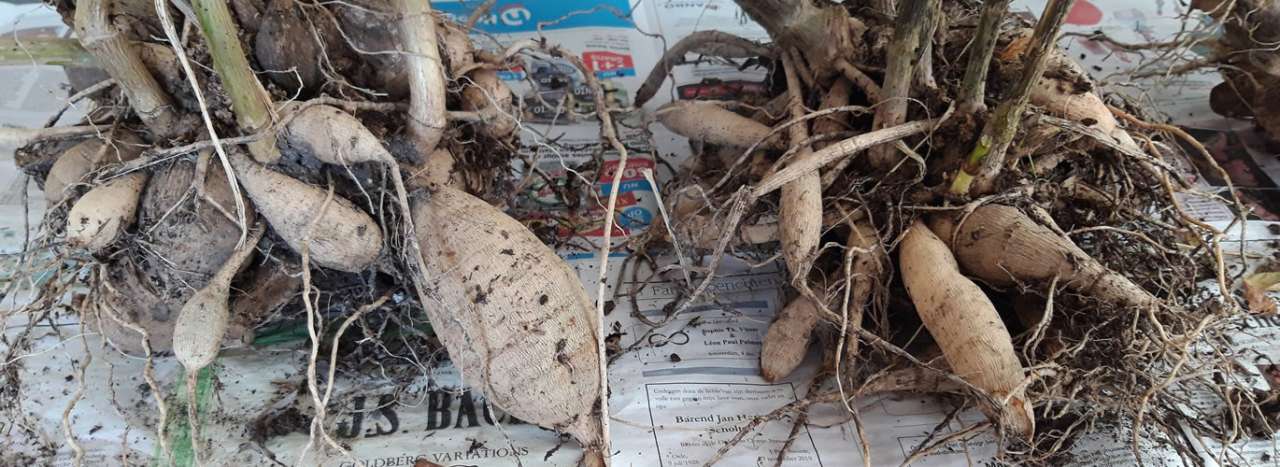
Dahlia tubers can be lifted over winter and stored in frost free cover - Photo by Ellywa (CC BY-SA 4.0)
Some of our favourite varieties this year include:
Raising Annual / Bedding Dahlias from Seed
Annual dahlias grown from seed are an easy and affordable way to fill beds and containers with colour. Sow seeds indoors in early spring in trays of moist seed compost.
Keep seedlings warm and well lit as they develop. Once large enough to handle, prick them out into individual pots and grow them on until they are ready to plant outdoors after the last frost. Bedding dahlias are typically more compact than tuber-grown varieties and work well in formal bedding schemes and patio containers.
Companion Planting — Great Partners for Dahlias
Dahlias are naturally eye-catching plants, but they can be even more effective when planted as part of a thoughtfully designed border. Because they flower from mid-summer into autumn, pairing them with plants that provide earlier colour, contrasting textures or pollinator support can create a display that evolves beautifully through the season.
Good companion plants should complement the bold blooms of dahlias without competing too heavily for space or nutrients. Here are a few combinations that work particularly well in Irish gardens:
- Salvia: Upright flower spikes in shades of blue, purple and red create a striking contrast with the rounded forms of dahlia blooms while attracting bees and other pollinators.
- Cosmos: Light, airy foliage and delicate flowers soften the structure of larger dahlias and add a naturalistic cottage-garden feel.
- Verbena bonariensis: Tall, slender stems topped with purple flower clusters weave beautifully through dahlia plantings without crowding them.
- Ornamental grasses: Varieties such as Pennisetum or Stipa provide movement and texture that complements the bold structure of dahlia flowers.
- Rudbeckia and Echinacea: These late-summer perennials share similar growing conditions and extend the warm colour palette through autumn.
- Alchemilla mollis (Lady’s Mantle): Soft, lime-green flowers and attractive foliage create a gentle groundcover that helps retain soil moisture.
When planting companions, allow enough space around each dahlia to maintain good airflow and light penetration. This helps reduce disease risk and encourages strong, upright growth.
The Cut Flower Garden
Dahlias are highly prized by florists and flower growers, often referred to simply as “blooms” in the world of floral design. Their vibrant colours, intricate forms and long stems make them ideal for creating striking bouquets and arrangements.
Regular cutting actually encourages the plants to produce more flowers, meaning a well-managed dahlia patch can supply fresh blooms throughout the summer and early autumn. For best results, harvest flowers early in the morning and place stems immediately in water.
Propagation — Increasing Your Dahlia Stock
One of the joys of growing dahlias is how easily they can be multiplied. Once you have an established plant, it’s possible to increase your collection year after year through simple propagation techniques.
While many gardeners lift and store dahlia tubers over winter before replanting them the following spring, another popular method is to take basal cuttings from young shoots produced by the tubers.
In early spring, stored tubers can be placed in trays of compost and kept in a bright, frost-free location to encourage new growth. Once shoots reach around 7–10cm tall, they can be carefully removed with a small section of the tuber attached and rooted in moist compost.
This method is widely used by professional growers and enthusiastic gardeners alike because it allows you to produce multiple plants from a single tuber. Many growers also find that plants raised from cuttings often develop particularly strong stems and produce excellent flowering displays later in the season.
Rooted cuttings can be grown on in pots until the weather warms and then planted outdoors after the risk of frost has passed. With a little care and patience, propagation quickly turns a small collection of dahlias into a thriving summer display.
Final Thoughts
Dahlias are among the most generous plants in the summer garden, rewarding even modest care with months of spectacular colour. Whether grown from tubers, planted as ready-grown plants or raised from seed, they offer remarkable versatility for borders, containers and cutting gardens alike. With sunshine, fertile soil and a little attention throughout the season, dahlias will quickly become one of the highlights of the garden year.
Ready to grow your own dahlias?
Visit our garden centres in Boyle and Roscommon or browse our range online to explore our current selection of dahlia plants, tubers and seeds.