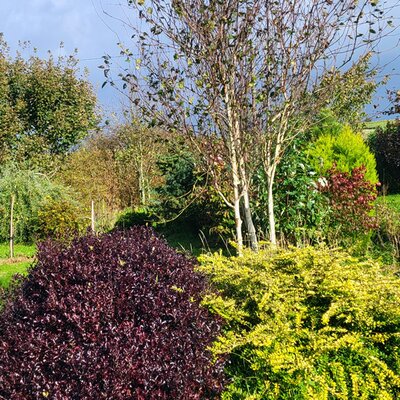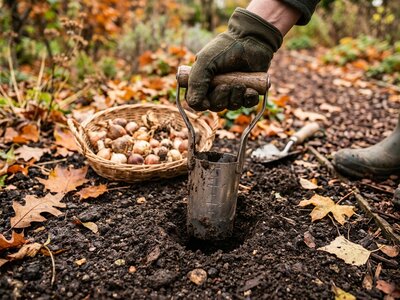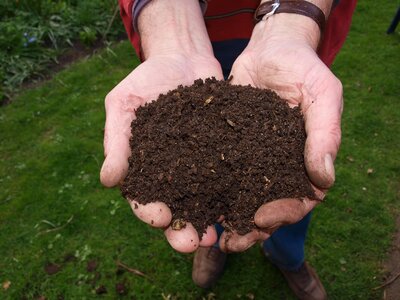

As summer slips away and autumn deepens, our gardens begin to take on a quieter beauty. For those of us who care about wildlife, this is an especially important season. Many creatures are preparing for the colder months – finding food, shelter, and safe spaces to rest. With just a few thoughtful actions, we can make our gardens a haven for birds, insects, and mammals during this crucial time of year.
Simple (and Free!) Ways to Help Wildlife in Autumn
- Leave leaf piles and logs: A simple heap of leaves, twigs, or cut branches provides valuable shelter for hedgehogs, frogs, insects, and overwintering pollinators.
- Don’t be too tidy: Resist the urge to cut everything back – fallen leaves enrich the soil and create habitats for mini-beasts.
- Water sources: Keep birdbaths topped up and ice-free; even a shallow dish of water can be a lifesaver.
- Seed heads left standing: These not only add structure and beauty to the autumn garden but also feed birds through the colder months.
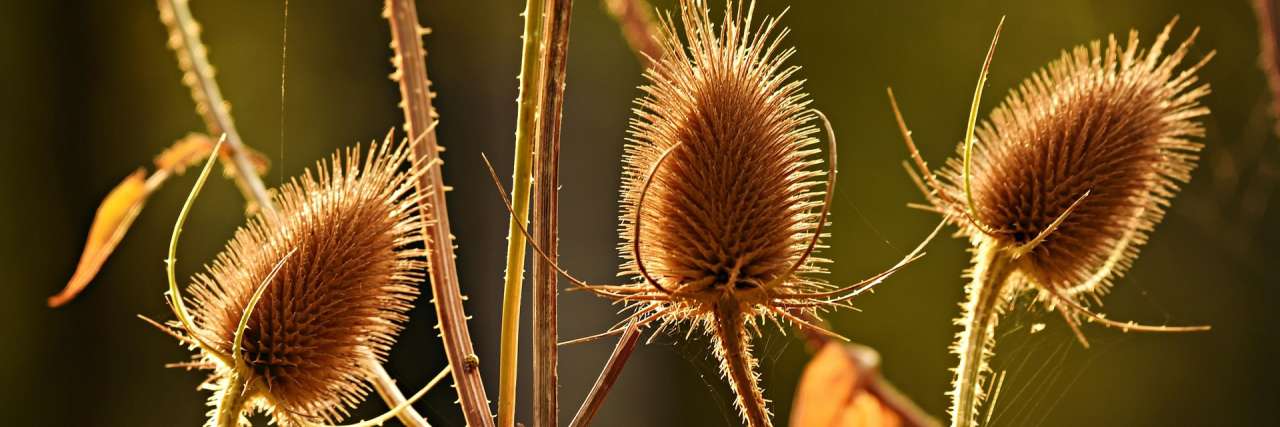 Teasel seed heads are loved by goldfinches as well as looking attractive in the garden over the autumn and winter - Image by Mabel Amber from Pixabay
Six Plants to Leave for Their Seed Heads
By leaving seed heads on plants, you’re offering natural bird feeders and shelter for wildlife. Here are six of the best:
- Sunflowers: Goldfinches and tits feast on the protein-rich seeds.
- Teasel: A favourite of goldfinches; the tall, spiky heads also look dramatic in winter frost.
- Lavender: Seeds for sparrows and shelter for insects in the hollow stems.
- Alliums: The globe-like heads dry beautifully and provide seeds for finches.
- Echinacea (Coneflower): Seed heads attract finches and provide shelter for overwintering insects.
- Honesty (Lunaria): The papery seed pods are loved by small birds and add sparkle to a winter border.
Adding Wildlife-Friendly Features
If you’d like to go a step further, there are plenty of additions you can make – whether you buy them ready-made or take on a fun DIY project:
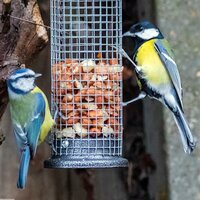
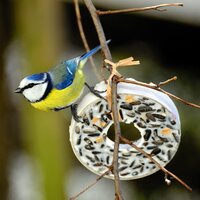
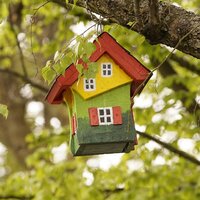
- Bird feeding stations & tables: Provide a reliable food source when natural supplies run low.
- Hedgehog homes: Tucked away under a hedge or behind a shed, these can make all the difference for hibernating hedgehogs.
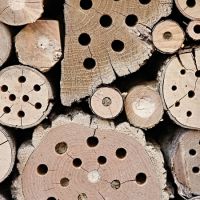
- Bug hotels: Great for kids to build, these offer shelter to bees, ladybirds, and other beneficial insects.
- Native shrubs & trees: Planting berrying shrubs like hawthorn, holly, or rowan ensures food and shelter for generations to come.
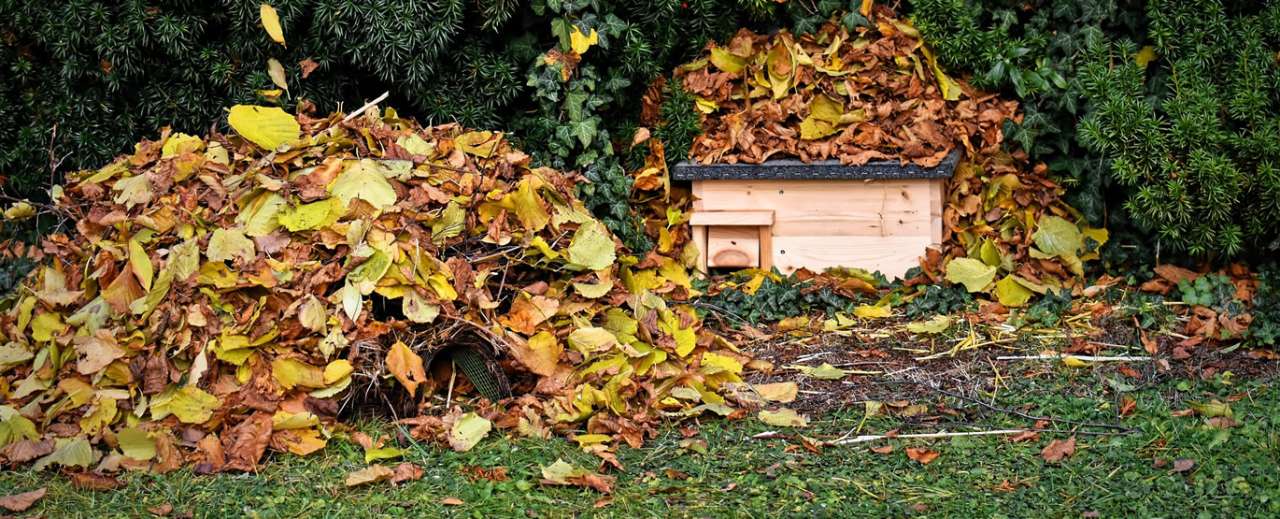 Piles of leaves and purpose built housing are a great way to help your hedgehog population over the autumn and winter if you're lucky enough to have them - Image by Alexa from Pixabay
Small Project - Build Your Own Big Hotel
To give pollinators and beneficial insects a cosy winter home, why not build a simple bug hotel. If you have a family this is a great little project to do with the kids as you can spend some time in the garden or local park gathering the various materials. Let's face it there's not a wealth of things to do in the autumn but this at least gets everyone outside and there as a positive goal to it.
You’ll need:
- A wooden box or old crate (open on one side) - you might even be able to knock something up with an old palette.
- Hollow stems (bamboo, sunflower, or elder branches are ideal)
- Twigs, pinecones & dry leaves - all very collectible in the garden or a local park
- A handful of bark or straw
Once you've collected all your materials:
- Place your box or crate in a sheltered, sunny spot.
- Pack the sections with different natural materials — hollow stems for solitary bees, pinecones for ladybirds, and leaves or straw for mini-beasts.
- Make sure everything is snug so it won’t blow away.
- Leave it undisturbed through autumn and winter.
That’s it! You’ve created a bug hotel that will welcome pollinators, lacewings, and other garden friends — helping your plants and boosting biodiversity.
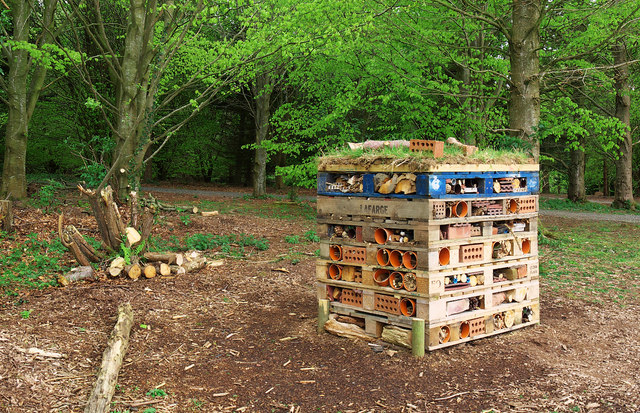
Above Image - Purpose built habitat for small invertebrates in woodland at Castle Espie on the shores of Strangford Lough, County Down. Entirely constructed from a variety of reclaimed materials, the 'hotel' provides refuge for a myriad of small creatures, should they require somewhere to nest or escape to from predators or bad weather. A DIY insect hotel can be as small or as large as you like - depending on what you have available or can forage - photo by Rossographer (CC BY-SA 2.0) as part of Geograph Ireland.
If you're an avid DIYer there's also hundreds of free bird feeder and bird table plans online, along with instructional videos if you fancy a bigger project. The likes of Construct 101, for instance, have a range of plans that you can download and work from, with projects designed for all skill levels.
Of course, if DIY isn't your thing then we've got you covered with a wide range of wildlife products and feeds from quality brands like Tom Chambers.
Final Thoughts
Autumn is a season of preparation – not just for us, but for the wildlife that shares our gardens. By leaving parts of the garden a little wilder and adding thoughtful features, we can make a huge difference to birds, hedgehogs, pollinators, and countless small creatures. In return, they bring life, song, and balance to our gardens all year round.
Create a wildlife haven this autumn!
Visit us in-store or online for bird feeders, hedgehog houses, and expert advice on making your garden a sanctuary for nature.