
When the evenings draw in and frost sparkles on the grass, it’s easy to think that wildlife slips quietly away until spring. But even through the coldest months, our gardens can still hum with life — from a robin’s song at dawn to the rustle of a hedgehog settling into its winter hideaway. With a little care and planning, you can turn your garden into a welcoming refuge for birds, bees, and small creatures this winter.
1. Notice What Nature’s Already Doing
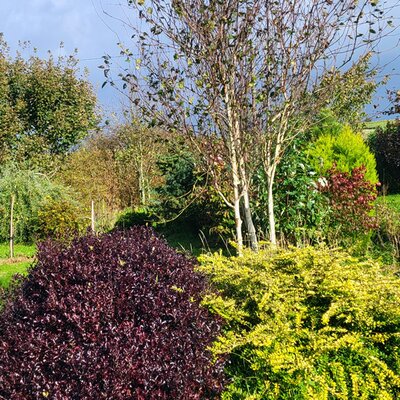
Before changing anything, take a moment to look around your garden. You might already have the makings of a perfect winter sanctuary. A well-established hedge provides brilliant shelter for birds and small mammals. A pile of leaves tucked under a shrub might be a hedgehog’s chosen hibernation spot. Even the seed heads on perennials like echinacea or rudbeckia provide a winter buffet for finches and sparrows. Try leaving a few “untidy” corners — nature will thank you for it.
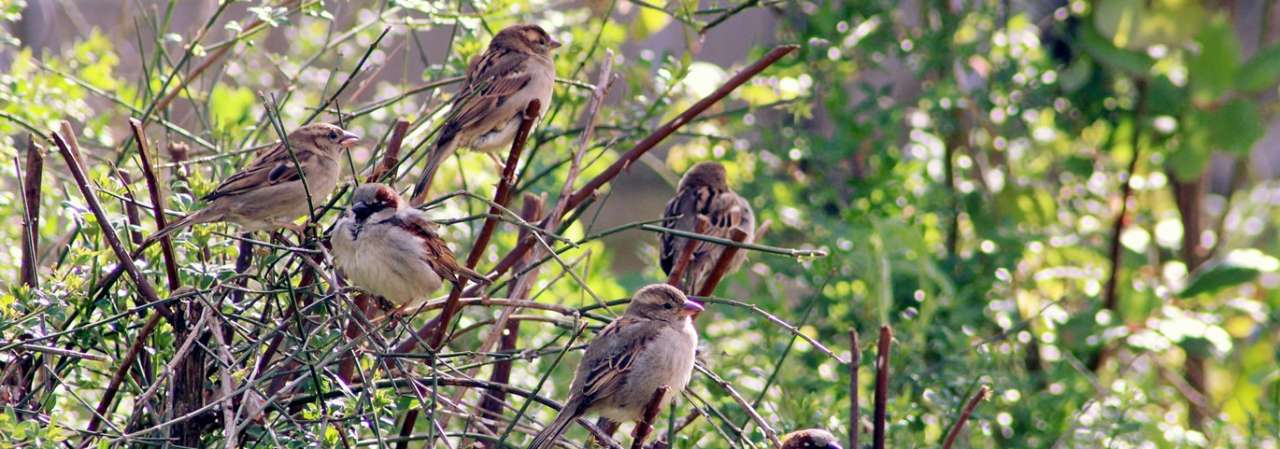 An established hedge can provide perches and shelter for garden birds going into winter - Image by Michaela 💗 from Pixabay
2. Winter Plants That Feed and Shelter Wildlife
Winter flowers and berry-laden shrubs don’t just brighten the garden; they offer vital food and protection for wildlife when pickings are slim. Here are a few tried and trusted plants that thrive in Irish gardens and help support biodiversity year-round:
- Holly (Ilex aquifolium) – Our native holly is a true wildlife hero, its dense foliage offering cover for nesting birds and its berries providing winter food for blackbirds and thrushes.
- Skimmia – Compact, evergreen, and full of red berries that last all winter, perfect for robins and song thrushes.
- Mahonia – Fragrant yellow flowers appear when little else blooms, attracting any brave bees still on the wing.
- Viburnum tinus – A tough evergreen that flowers through winter and produces blue-black berries birds love.
- Ivy (Hedera helix) – Nectar for late-flying insects, shelter for overwintering butterflies, and berries for birds — a complete ecosystem in one plant.
- Hellebores – These early bloomers bring colour to the dullest months and provide a welcome energy boost for pollinators on mild days.
3. Feeding and Supporting Garden Birds
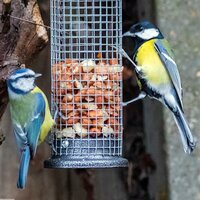
Few things lift the spirits more than seeing garden birds busy at the feeders on a frosty morning. In Ireland, species such as robins, coal tits, blue tits, blackbirds, and song thrushes stay active throughout winter, depending on our gardens for food and water. A little regular feeding can make a world of difference — especially during cold snaps.
Here are six familiar visitors and what they enjoy most:
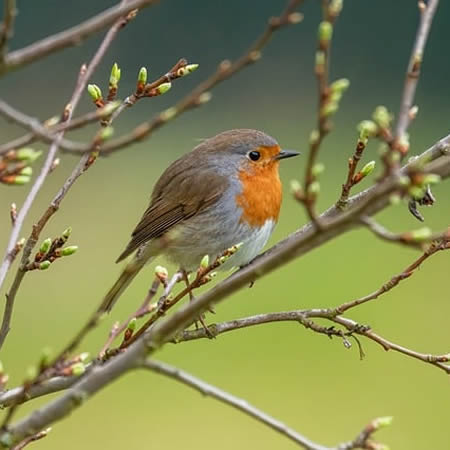
Robin
A friendly face in every Irish garden and probably the most familiar, robins love mealworms, suet, and soft fruit.
- readily come to bird tables
- will use open-fronted nestboxes.
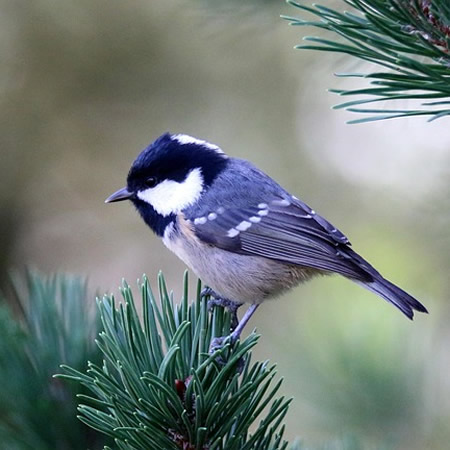
Coal Tit
A quick, agile feeder that prefers coniferous woodland and eats smaller seeds like nyjer or mixed seed blends.
- looks like a smaller, less colourful version of the Great Tit.
- will often prize peanuts from feeders and fly away to eat or cache them elsewhere
- usually nests in a tree or wall cavity but will also use nestboxes
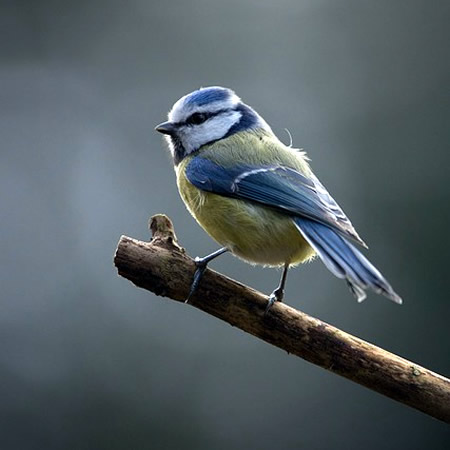
Blue Tit
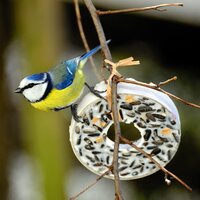
Enjoys peanuts, sunflower hearts, and fat balls, ideally hung from branches or feeders.
- will visit peanut and seed feeders regularly
- will use nest-boxes
- prefers broad-leaved woodland, but also in farmland, parks and gardens
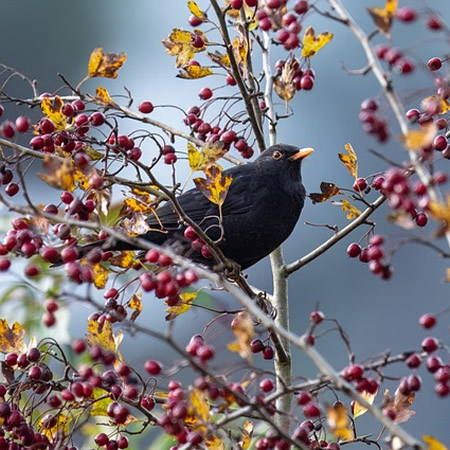
Blackbird
A ground feeder that relishes apples, mealworms, and raisins soaked in water.
- The most widespread member of the Thrush family In Ireland.
- Nest in trees or bushes - especially brambles and ivy, but also conifers. Will use large open-fronted nestboxes.
- Will come to bird tables freely.
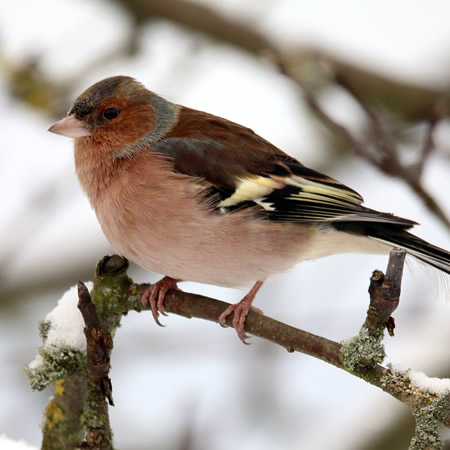
Chaffinch
Often seen in pairs, they like sunflower hearts and mixed seed scattered on the ground.
- The most common finch in Ireland - found in woodland, farmland, parks and gardens.
- Will make nests of of moss and dried grass - often camouflaged with lichens and cobwebs.
- Will visit bird tables and feeders
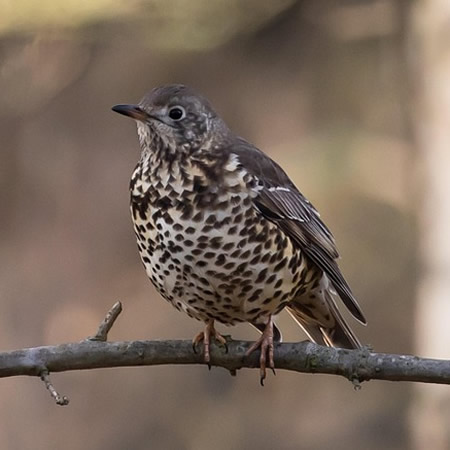
Song Thrush
This charming bird enjoys snails, earthworms, mealworms, and soft fruit when available.
- Thrushes will smash snail shells against stones, called "thrush anvils", to break them open making the a great ally to the vegetable grower!
- Very much a hedgerow bird, nesting in trees, bushes, ivy, brambles and sometimes conifers.
- They have suffered big declines in the past 30 years.
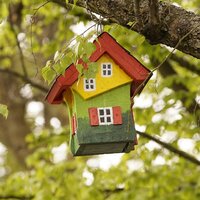
Keep feeders clean and topped up, and provide fresh, unfrozen water daily. If you can, add a few shrubs nearby to give birds safe cover while they feed. Bird tables, nest boxes, and high-energy feeds can all make your garden a haven during the cold months.
4. Looking Out for Hedgehogs, Squirrels, and Insects
Hedgehogs in Ireland typically begin hibernating in November, so it’s best to leave log piles, compost heaps, and leaf corners undisturbed. A purpose-built hedgehog house in a quiet, sheltered area makes an ideal winter retreat — just remember to avoid using slug pellets or chemicals that could harm them.
Red squirrels, where they’re lucky enough to be seen, remain active all winter. They’ll happily take a few hazelnuts or sunflower seeds, though try to keep them separate from bird feeders so everyone gets a fair share.
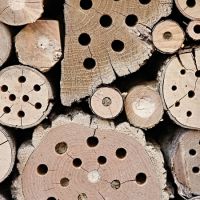
Insects may be less visible, but they’re still around — tucked away in dry stems, old walls, and leaf litter. Leaving hollow stems uncut until spring and adding an insect hotel or log pile gives bees, ladybirds, and other beneficial insects a safe space to overwinter.
Final Thoughts
Winter doesn’t have to mean an empty, lifeless garden. With a few thoughtful touches — a feeder here, a berry bush there, and perhaps a cosy corner left a little wild — you can keep your garden full of character and compassion. Every small act helps sustain local wildlife through the toughest time of year and ensures your garden bursts back to life with even more song, buzz, and colour come spring.
Ready to welcome wildlife this winter?
Visit us in-store or online for bird tables, nesting boxes, high-energy feeds, and wildlife-friendly plants — everything you need to help nature thrive, right on your doorstep.