
Pruning is one of the most transformative and rewarding jobs in the garden. With just a little knowledge and the right tools, you can improve flowering, encourage healthy growth, shape plants beautifully and keep shrubs and trees productive for years to come. This guide walks you through *what to prune and when*, focusing on the most popular garden shrubs and trees and the best time of year to tackle each one.
Why pruning matters
Good pruning promotes strong structure, better airflow, disease prevention and more vigorous flowering or fruiting. But timing is key: prune at the wrong time and you may remove next season’s flowers; prune at the right time and you’ll set the stage for a vibrant year ahead.
General rule: Plants that flower on new wood are pruned in late winter or early spring. Plants that flower on old wood are pruned after flowering. This guide is organised by season to help make it practical and easy to follow.
What to Prune in Winter
Winter — especially late winter, from January to early March — is the ideal time to prune many deciduous trees and shrubs while they’re dormant. With leaves gone, you can clearly see crossing branches, congestion and shape.
1. Roses (Hybrid Teas & Floribundas)
- Cut back to strong outward-facing buds.
- Remove all dead, diseased or crossing stems.
- Reduce overall height to 30–45cm to encourage strong spring growth.
2. Apple & Pear Trees
- Focus on opening up the centre into a “goblet” shape.
- Remove any growth that is weak, crossing, vertical or congested.
- Shorten side shoots to 2–3 buds to promote fruiting spurs.
3. Dogwoods (Cornus alba & Cornus sanguinea)
Grown for colourful winter stems.
- Coppice hard (cut to 10–15cm from ground) to encourage vibrant new stems.
- Alternatively, remove one-third of oldest stems annually.
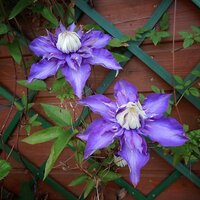
4. Group 3 Clematis
- If you're wondering what a 'Group 3 Clematis' is, these are the varieties that flow in mid-late summer and include, Clematis viticella, Clematis jackmanii and Clematis texensis.
- These can be pruned in late winter, usually around February.
- Cut the plant down to 10cm above the ground to remove long, old growth and encourage strong flowering shoots. Texensis and viticella hybrids can be cut to ground level before new growth emerges.
- Most other groups of clematis only require a light tidy up after flowering during the growing season.
5. Wisteria
- Wisteria gets a double mention in the pruning calendar because if you want to promote flowering (and why wouldn't you with these beautiful specimens), you'll need to prune these in late winter/February time, cutting all side-shoots back to around three or four buds.
- These will require a further prune in summer (see below)
6. Deciduous Ornamental Trees & Shrubs
- Winter is a good time to remove any untidy lower branches from deciduous trees to reveal a nice bare stem on the lower part of the tree to about 1.2m high.
- This is also a good time to remove congested and crossing stems of most deciduous trees and shrubs with the exception of the Prunus species (ornamental plums, cherries etc.) as these are best left until later in the spring to prevent silver leaf disease.
7. Fruit Bushes (Blackcurrants & Gooseberries)
- If you haven't done this in autumn, winter is a good time to tidy up your soft fruit bushes, removing up to one-third of old wood to encourage new stems.
- It's a good idea to great a kind of goblet shape with these kinds of bushes as it allows for good airflow and makes it easier to harvest fruit.
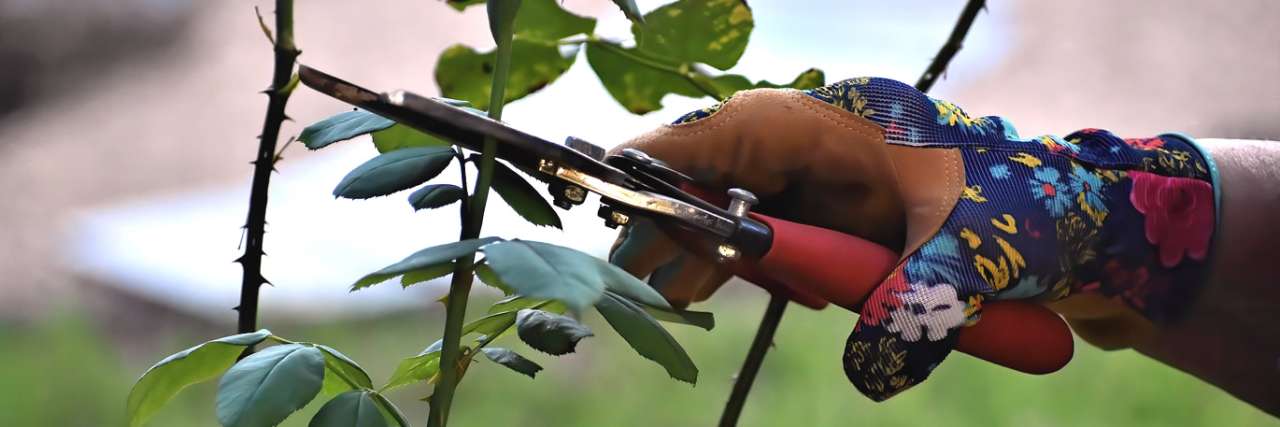
Hybrid Tea and Floribunda Roses can be pruned back by about 30-45cm to encourage spring growth - Image by Ray_Shrewsberry from Pixabay
What to Prune in Spring
Spring pruning happens once the hardest frosts are past (usually March–April). This is the time to tidy winter damage, shape evergreen shrubs and cut back plants that shoot early and flower in summer.
1. Lavender (Lavandula angustifolia)
- Trim back to just above new green shoots.
- Avoid cutting into old wood, which doesn’t regrow.
2. Fuchsia (Hardy varieties)
- Cut back dead winter top growth to a framework of strong shoots.
- Remove spindly stems to promote bushy flowering growth.
3. Potentilla
- Lightly reshape and remove dead wood.
- Thin congested branches to encourage airflow and new blooms.
4. Shrub Roses (Repeat-flowering)
- Shorten main stems by one-third.
- Remove crossing or weak growth to maintain an open structure.
5. Hebe
- Lightly trim back to retain shape.
- Remove any frost-damaged foliage after new growth appears.
6. Buddleja davidii
- Cut back hard to 30–40cm from the base.
- This encourages big new shoots carrying larger summer flower panicles.
7. Shrub Hydrangeas (Hydrangea paniculata & arborescens)
- These types of hydrangea produce flowers on new wood
- Cut back last year’s growth by about one-third.
- Remove weak or spindly stems entirely.
8. Mophead and Lacecap Hydrangeas (Hydrangea macrophylla)
- Hydrangea macrophylla flower on the previous years' growth
- The stems are cork-like, rather than woody, and as a result they can hold enough moisture inside them during winter for this to freeze in frosty weather which can kill the stems and their buds. It is best to leave the old flowers in place over winter, until the worst frosts are over.
- Once the worst frosts have past, usually around April, cut out any thin, weak stems around the base of the plant and remove a few of the largest, oldest stems from as low down as possible to promote new shoots from the base and avoid a build up of old wood.
What to Prune in Summer
Summer pruning is mostly about plants that flower earlier in the year, as well as fruit trees that benefit from pruning in leaf to control size and increase fruit quality.
1. Early-flowering Shrubs (Flowered on old wood)
Prune *immediately after flowering*:
- Forsythia — remove one-third of oldest stems to the base.
- Weigela — cut back flowering stems to strong new shoots.
- Kerria — thin congested stems and remove older wood.
- Philadelphus - cut back the shoots, down to a strong bud. Thin out any weak, overcrowded or crossing stems and take a few from the centre of the shrub to ensure good air circulation around the plant.
2. Wisteria
- Cut back long whippy shoots to five or six leaves in July/August.
- This encourages flower bud formation for next spring.
3. Fruit Trees (Espaliers, cordons & fans)
- Shorten side shoots to 4–6 leaves.
- This concentrates the tree’s energy into fruit production.
4. Rhododendron & Azalea
These don’t need heavy pruning — just light maintenance:
- Deadhead by snapping off spent flower trusses.
- Trim lightly after flowering to keep shape compact.
5. Box (Buxus sempervirens)
- Trim to shape in June.
- Clip again lightly in August if needed.
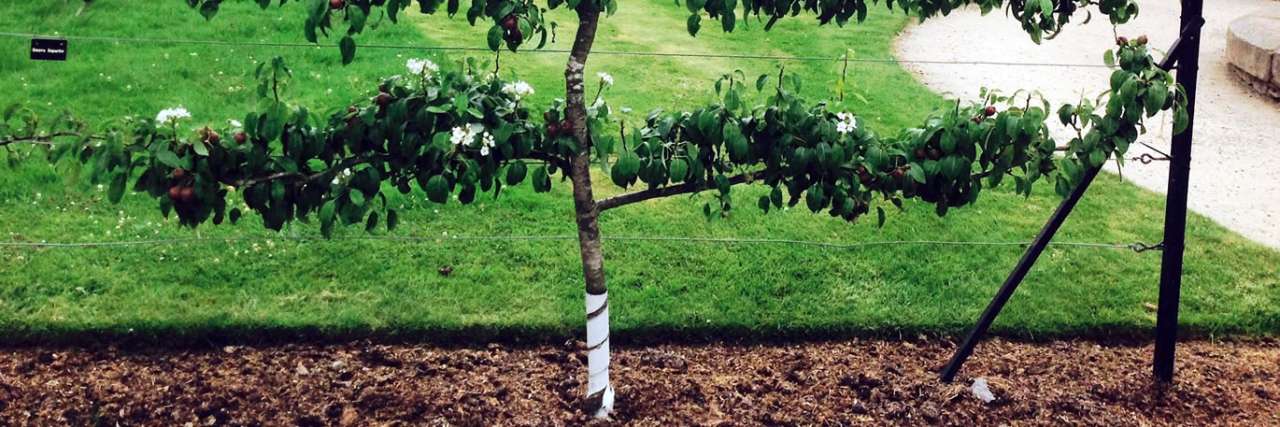
Espalier fruit trees can be pruned in summer to concentrate the tree’s energy into fruit production - Ellen Thompson's photo, licensed as CC BY 2.0
What to Prune in Autumn
Autumn pruning is generally light, focusing on tidying rather than major restructuring. Heavy pruning now can encourage soft new growth that may be damaged by winter weather.
1. Climbing Roses
- Shorten long stems to prevent wind damage.
- Tie in new shoots securely to their support.
- Remove any flowered side shoots back to a strong bud.
2. Shrubs Needing a Light Tidy
Autumn is ideal for removing straggly or broken growth on:
- Spirea japonica
- Berberis
- Pyracantha
- Philadelphus (light trim only — main prune is after flowering)
3. Fruit Bushes (Blackcurrants & Gooseberries)
- Remove up to one-third of old wood to encourage new stems.
- Gooseberries: open the centre to improve airflow and reduce mildew risk.
4. Perennials (General Cut-back)
- Cut down spent perennial stems unless you want to leave some for winter wildlife.
- Remove diseased foliage to prevent overwintering problems.
Final Thoughts
Pruning doesn’t need to be complicated — understanding the natural rhythm of the garden makes it intuitive and deeply satisfying. By pruning at the right time and in the right way, you’ll keep your shrubs and trees healthy, shapely and flowering at their very best. With the West of Ireland’s mild, moist climate, plants respond particularly well to regular care, giving you abundant foliage, stronger structure and long-lasting seasonal colour.
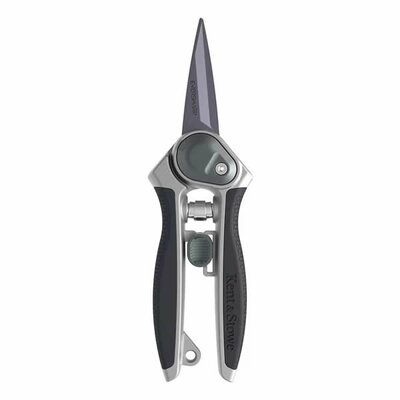
Looking for the right tools to make pruning easier?
Visit our garden centres in Boyle and Roscommon or explore our range of high-quality secateurs, loppers, pruning saws and ladders online.