
Winter can be one of the most testing times of year for our garden birds. Shorter days mean less time to forage, while cold, wet weather dramatically increases the amount of energy birds need just to keep warm. Natural food sources such as insects, berries and seeds become scarce, and sudden frosts can make feeding even harder. By offering reliable food and shelter through the winter months, we can give birds the extra support they need to survive and thrive until spring.
Providing the right food in the right way is key. Different birds feed in different ways, so using a variety of feeders stocked with suitable food will help attract a wider range of species and reduce competition at feeding time.
Choosing the Right Bird Feeders for Winter
Rather than relying on a single feeder, a small selection of feeder types can make your garden far more welcoming to winter birds. Below are some of the most effective options, what to put in them, and the birds they’re likely to attract.
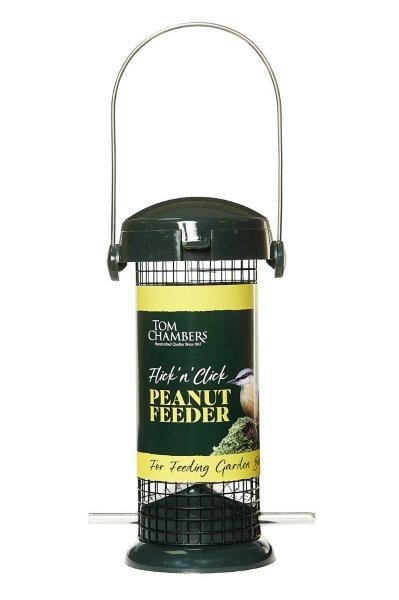
Peanut Feeders
Ideal for: High-energy winter feeding
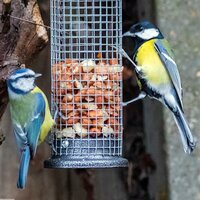
Peanut feeders are designed with a strong metal mesh that allows birds to safely peck at peanuts without the risk of large chunks breaking off. Peanuts are rich in fat and protein, making them invaluable during cold spells.
Attracts: Blue Tits, Great Tits, Coal Tits, Sparrows, Chaffinches
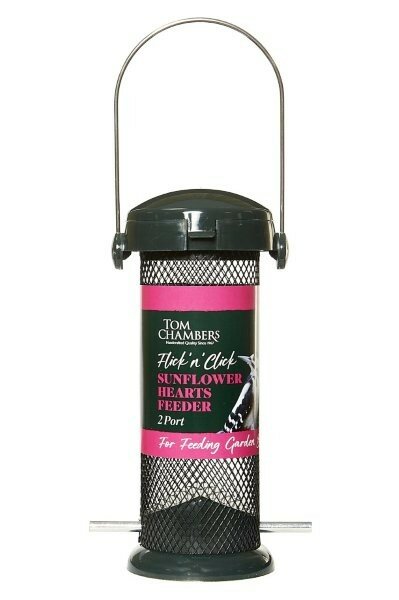
Sunflower Hearts Feeders
Ideal for: Mess-free feeding with maximum nutrition
Sunflower hearts are a firm favourite with garden birds. With the husks removed, birds can feed quickly and efficiently, leaving very little waste behind — perfect for patios and smaller gardens.
Attracts: Robins, Blue Tits, Greenfinches, Chaffinches, Great Tits
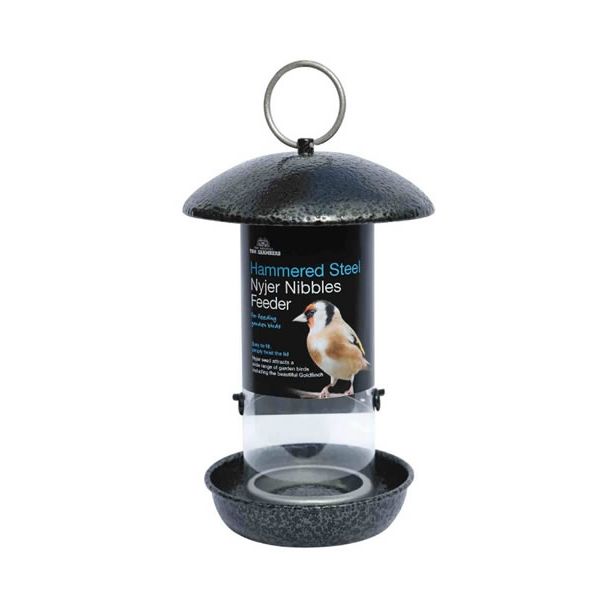
Nyjer Seed Feeders
Ideal for: Small-beaked finches
Nyjer seed feeders have fine feeding ports designed specifically for tiny seeds. These feeders are essential if you want to attract specialist finches that won’t use standard seed feeders.
Attracts: Goldfinches, Siskins, Redpolls
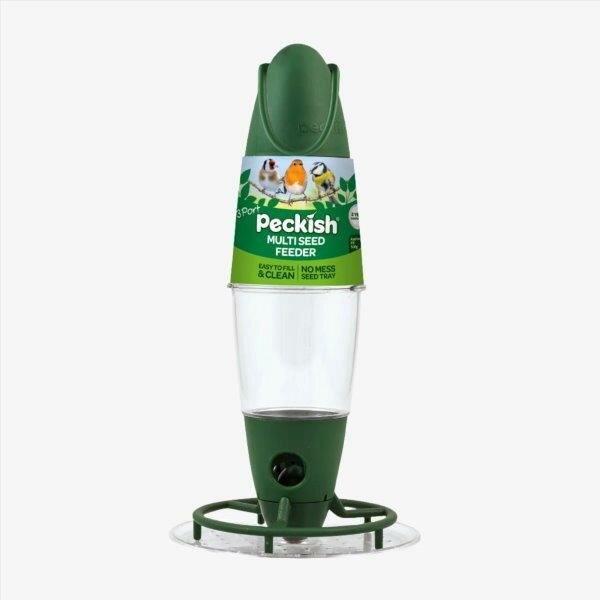
Multi Seed Feeders
Ideal for: General garden bird feeding
Multi seed feeders are incredibly versatile and can be filled with mixed seed blends suitable for a wide range of species. They’re a great starting point if you’re new to feeding birds.
Attracts: House Sparrows, Chaffinches, Greenfinches, Dunnocks, Tits
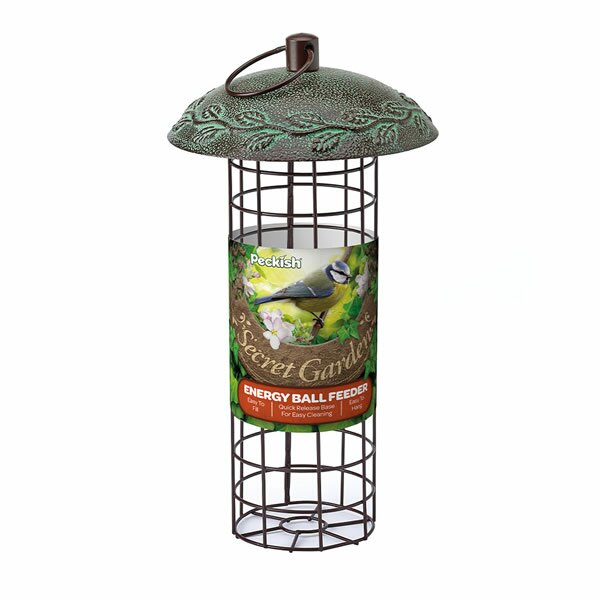
Energy Ball Feeders
Ideal for: Quick, high-energy winter feeding
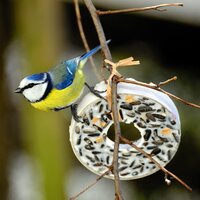
Energy balls (or fat balls) provide an instant boost when birds need it most. A dedicated feeder keeps them secure and accessible while preventing larger birds from taking over.
Attracts: Tits, Robins, Starlings, Blackbirds
Most feeders can be hung from trees, wall brackets, or even old hanging basket hooks that are no longer in use. If you don’t have suitable fixing points, we also stock a range of purpose-built bird feeder stations designed to hold multiple feeders in one convenient place.
What Else Can We Do to Help Birds and Wildlife in Winter?
Feeding is only part of the picture. A wildlife-friendly garden offers shelter, safety and water as well as food.
- Provide fresh water daily – bird baths can freeze overnight, so check them regularly and top up with fresh water.
- Leave the garden a little untidy – seed heads, fallen leaves and hollow stems offer food and shelter for birds and insects.
- Avoid chemicals – slug pellets and pesticides can be harmful to birds, hedgehogs and beneficial insects.
- Offer shelter – dense hedges, evergreen shrubs and climbers like ivy give birds a safe place to roost during bad weather.
- Keep feeding consistent – once you start feeding birds in winter, try to keep it up, especially during cold snaps.
Final Thoughts
Winter may be quieter in the garden, but it’s a vital time for wildlife. With a few well-chosen feeders, the right food, and a little thoughtful care, your garden can become a lifeline for birds during the toughest months of the year — and a joy to watch from the kitchen window.
Looking to support garden birds this winter?
Explore our full range of bird feeders, feeds and accessories in-store or online and help make your garden a winter refuge for wildlife.