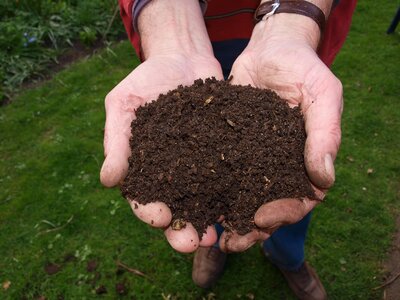

May is one of the most exciting months in the gardening calendar. Growth is rapid, colour is building and the risk of frost is (usually!) beginning to ease — though in the west of Ireland, it’s always wise to stay cautious a little longer. With longer days and improving temperatures, this is the month where your efforts really start to pay off.
The garden in full swing
May is all about planting, sowing and keeping on top of fast growth. A little time spent regularly in the garden now will keep everything healthy, productive and looking its best as we head towards summer.
Ornamental Flowers, Trees & Shrubs
Spring-flowering shrubs such as forsythia, flowering currant (ribes) and early spiraea should be pruned once flowering finishes. Cut back flowered shoots to strong young growth lower down, removing some older stems entirely to maintain shape and encourage vigorous flowering next year.
Hardy annuals can be sown in abundance this month, either directly outdoors or started in trays for transplanting. Good choices include calendula, cornflower, cosmos, nigella, delphiniums, sweet peas, marigolds, nasturtiums, clarkia and ammi.
For direct sowing, prepare a fine tilth, sow thinly and keep the area moist until germination. For indoor sowing, use a light compost, sow into trays or modules and place in a bright, sheltered spot before hardening off.
With the ground warmed up sufficiently whilst we still have showers keeping it moist, this is also perfect time to start planting your shrubs and perennials to allow them to settle in before any dry spells over summer.
Dahlias can now be planted outdoors once the risk of frost has passed. If you started them in pots in April, begin hardening them off before planting out. Taller varieties will need staking early to prevent wind damage.
If your dahlias are well established, you can take basal cuttings — a great way to increase your stock. Choose strong shoots, cut cleanly and root in a warm, bright environment.
Keep an eye on slugs and snails, especially around tender young growth of delphiniums, lupins and dahlias.
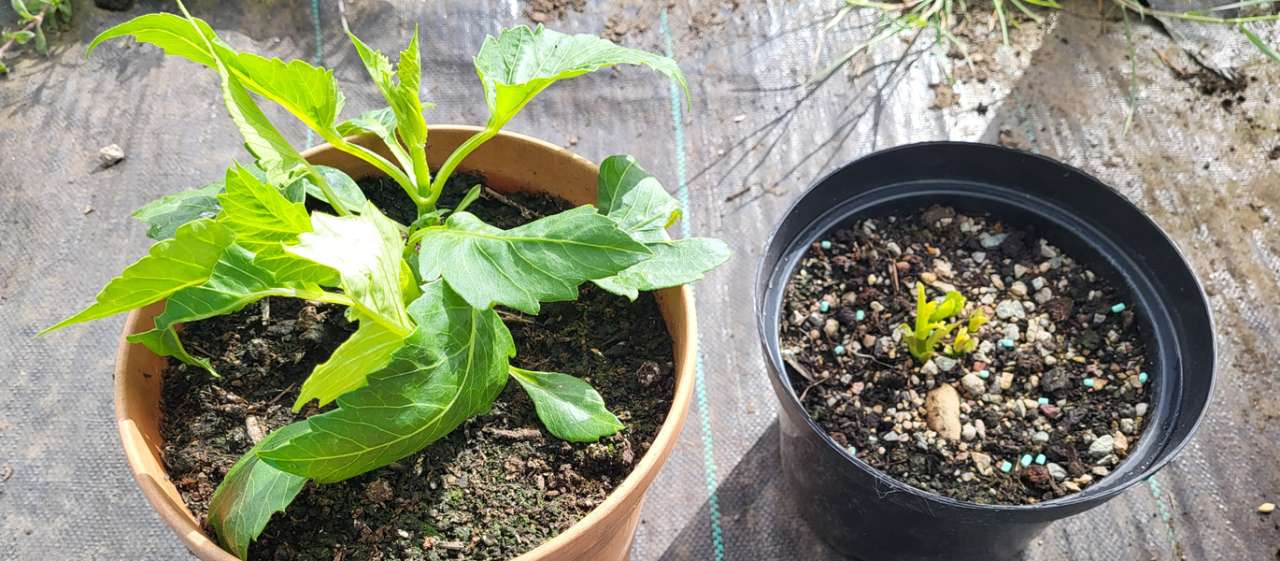
"Slugs can be a pest when it comes to dahlias. These dahlias were both started off at the same time in April and you can see that slugs have been at the one to the right. If you have a similar issue, check under the pots and remove any slugs as that's likely to be where they are hiding and then, like me, you may wish to sprinkle of few organic slug pellets or add some other slug resistant barrier to allow your dahlias to bounce back (which they should do fairly quickly). These can then be hardened off and planted out after any risk of frost has past"- Richard - photo taken 01/05/2026
Grow Your Own
For Outdoors
May is peak sowing season for the vegetable garden. Direct sowing can include carrots, beetroot, parsnips, turnips, lettuce, spinach, chard, radish and peas.
French beans and runner beans can be sown outdoors towards the end of the month once soil has warmed (although I find you have more success starting these off on pots indoors earlier on and then hardening off for transplanting in late May or early June).
Transplant hardened-off plants such as cabbage, cauliflower, broccoli, onions and early lettuce into their final positions.
Courgettes, pumpkins and squash started early can be hardened off and planted out towards the end of the month in sheltered spots.
Continue earthing up potatoes as they grow to protect developing tubers and reduce the risk of frost damage. It's also not too late to plant maincrop potatoes if you get them in in the first week
Regular watering and feeding becomes increasingly important as plants establish and grow quickly. Also be sure to hoe your veg patches regularly to prevent weeds establishing. This is best done on dry, warm days so that the loosened weed seedlings die off with their roots exposed to the dry conditions. A few minutes of hoeing now can save on hours of plucking out established weeds later and prevents as much soil disturbance around your precious crops.
For Polytunnels & Greenhouses
Plant out tomatoes into final growing positions (beds, growbags or large containers) and begin feeding once flowers appear. Now, this is something to be careful with as you have to take into consideration nigh-time temperatures. Your greenhouse or tunnel maybe very warm during the day but its the drop in temperature at night you need to be concerned about. Ideally tomatoes prefer a night-time temperature of 10ºC or above but in reality (from experience) they will tolerate night-time temperatures of between 5ºC-10ºC for the first few weeks they are planted out. This is not the same for chillies and aubergines however as they ideally like temperatures of 15ºC or above (which is why success with these crops in Ireland can be a bit patchy!) and so these are best left until the end of the month or even June before they are transplanted.
Peppers, chillies, aubergines and tomatoes may need potting on to larger pots now if you are holding off from transplanting to their final positions.
Sow cucumbers, melons, squash, and pumpkin - these may still require some extra heat early on or you can wait until later in the month
Provide support for climbing plants and ensure good ventilation on warm days to prevent overheating and disease.
Successional sowing of salad crops will keep harvests coming steadily.
At any time in the month, sow courgette, sweetcorn, French and climbing beans, leaf-beet/perpetual spinach, beetroot, chard, lettuce, kale, cabbage for autumn, salad onion and basil for transplanting later. Swede can also be sown at the end of May.
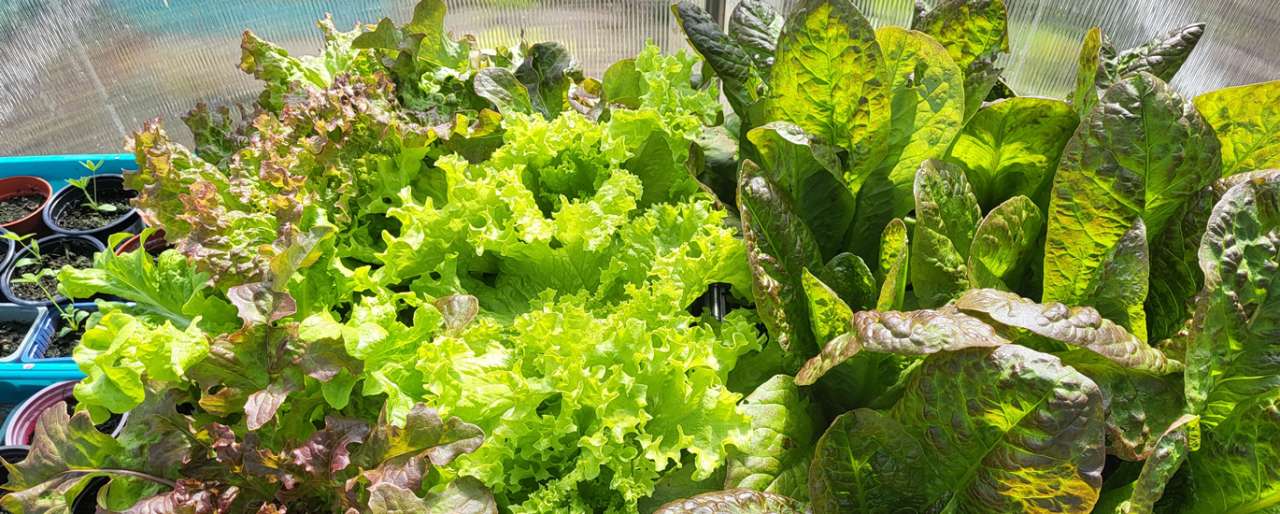
"One way to extend your crop and save space when it comes to lettuce is to grow several varieties quite close together. Here I have about twelve plants growing in, what is essentially two old, rectangular dish-washing bowls with holes added for drainage. I have been picking the outer leaves off these for the past two weeks for salads and will continue to for some weeks to come, rather than lifting a whole plant and needing to then replace it for a continuous supply. This won't last all summer (as they will bolt at some point) but it does mean I don't need to sow and grow as many, or as regularly, to keep a supply of salad leaves throughout the season." - Richard - Photo taken 01/05/2026
Indoor Plants
Houseplants are thriving now and will benefit from regular feeding every couple of weeks with a balanced liquid fertiliser.
Watering needs will increase, particularly in warmer, brighter conditions — but avoid letting plants sit in water.
This is a good time to move certain houseplants outdoors to a sheltered spot for the summer, temperature allowing, helping to boost growth.
Continue repotting and propagating as needed, and keep an eye out for pests such as aphids and spider mites.
Some plants may also benefit from a good dusting, using a damp cloth to gently clean the leaves.
General Maintenance
Lawns should be mowed regularly now, gradually lowering the cutting height. Apply a lawn feed if not already done and consider treating moss or weeds where necessary.
Trim hedges and topiary regularly to promote bushy growth and keep things looking neat.
Edges can be kept crisp with regular trimming, giving the garden a neat, finished look.
Ponds require attention as temperatures rise — remove debris, thin out oxygenating plants if needed and check pumps and filters are working correctly. Scoop out pondweed, blanketweed and algae.
Stake taller perennials early, tie in climbers and continue to control weeds before they become established.
Mulching beds and borders will help retain moisture and suppress weeds as the weather warms.
Final Thoughts
May is a month of real progress in the garden. With the groundwork done and planting in full swing, it’s a time to stay on top of tasks, enjoy the longer days and watch your garden come into its own. A little care and attention now will set the stage for a vibrant and productive summer and, as always, remember to take the time to relax and enjoy your outdoor spaces too!
Everything you need for May gardening
From bedding plants and vegetable seedlings to compost, feeds and garden tools, we have everything you need to keep your garden thriving this month. Visit us in-store or shop online at your convenience.