
Phlox are among the most colourful and versatile flowering plants for Irish gardens, but the term “phlox” actually covers several quite different types of plant. From low-growing carpets of spring colour tumbling over walls and rockeries to tall, fragrant border perennials flowering through summer, understanding the different groups can help you choose the right phlox for the right place.
In this guide we take a look at the main types of phlox commonly grown in Irish gardens — particularly Phlox subulata and Phlox paniculata — along with Carolina types and modern hybrid varieties, helping you understand how to grow, plant and care for each successfully.
What is the Difference Between Subulata and Paniculata Phlox?
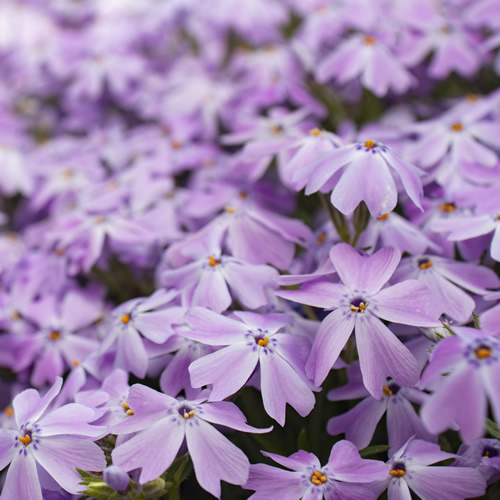
Phlox subulata (Creeping or Moss Phlox)
Phlox subulata is a low-growing, mat-forming alpine-style perennial often used in:
- Rockeries
- Gravel gardens
- Wall edges
- Alpine troughs
- Ground cover planting
It produces masses of flowers in spring and early summer and is ideal for sunny, free-draining locations.
These varieties stay compact and spread gradually across the soil surface.
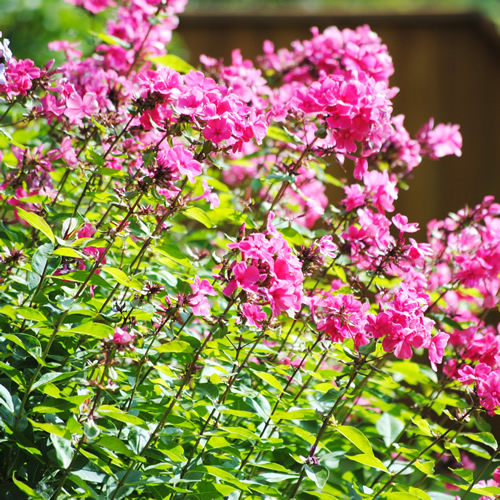
Phlox paniculata (Border Phlox)
In contrast, Phlox paniculata are upright herbaceous perennials grown mainly for summer colour and fragrance.
They are often used in:
- Mixed herbaceous borders
- Cottage gardens
- Pollinator planting schemes
- Cut flower gardens
These taller varieties can flower from mid-summer into autumn and produce large clusters of blooms in shades of pink, purple, white, red and bi-colours.
What About Carolina and Hybrid Phlox?
Phlox carolina
Carolina types are closely related to paniculata phlox but are often slightly more compact and can show improved resistance to mildew in damp conditions.
They work particularly well in smaller borders and cottage-style planting schemes.
Hybrid Phlox (Phlox × arendsii and others)
Modern hybrids combine the best qualities of different species, often producing:
- Improved disease resistance
- Longer flowering periods
- Compact growth habits
- Stronger colours
These are increasingly popular in Irish gardens where wetter summers can sometimes create mildew issues for older varieties.
Where Do Phlox Grow Best?
Phlox subulata
- Full sun
- Free-draining soil
- Raised areas, slopes or gravel gardens
- Avoid waterlogged ground
Subulata varieties dislike sitting wet over winter and are best suited to lighter soils or raised planting areas.
Phlox paniculata & Carolina Types
- Sun or light partial shade
- Moist but well-drained soil
- Sheltered positions with good airflow
Unlike subulata types, border phlox appreciate richer soil with more moisture retention during summer.
How to Plant Phlox
Planting Subulata Phlox
- Improve drainage with grit if needed
- Plant slightly raised if soil is heavy
- Allow room for spreading growth
Excellent for planting between stones or softening hard edges.
Planting Paniculata & Carolina Types
- Incorporate compost or organic matter before planting
- Space plants to improve airflow
- Water regularly during establishment
These varieties benefit from fertile soil and consistent moisture during active growth.
Growing Phlox in Containers
Both types can work in containers, though for different reasons.
- Subulata: Excellent for alpine troughs, raised planters and gravel-style containers
- Paniculata: Best suited to larger patio pots with regular watering and feeding
Companion Planting Ideas
Companions for Subulata Phlox
- Aubrieta
- Arabis
- Campanula
- Small alpine grasses
These combinations work beautifully in rockeries and alpine-style displays.
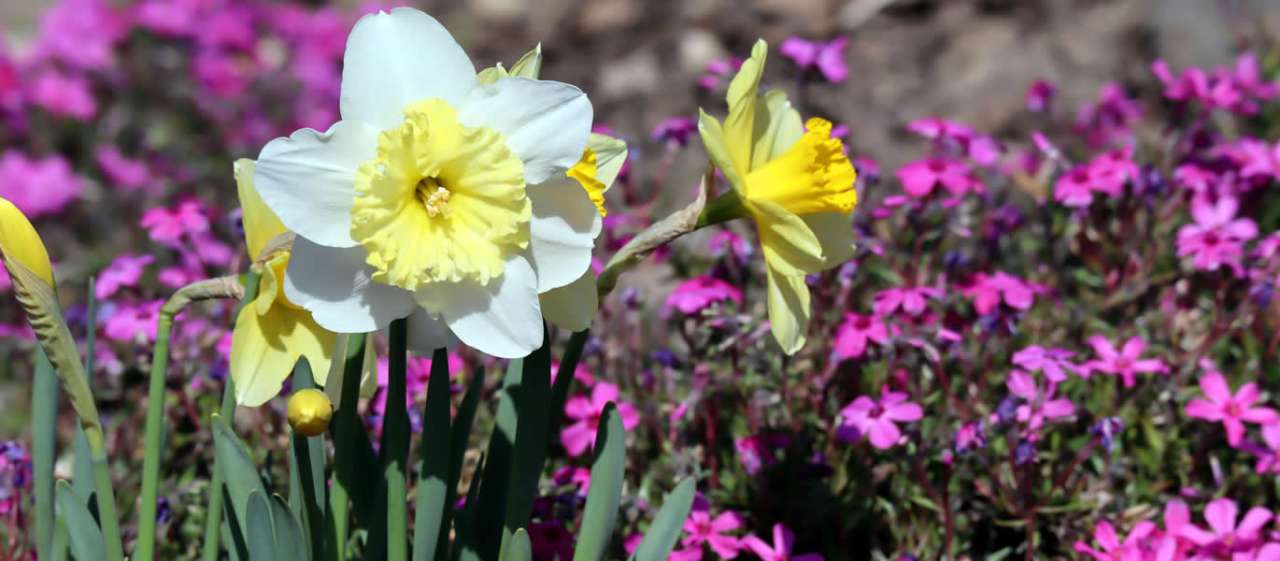
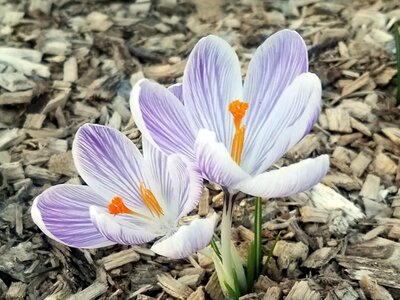
Because if the time of year that many phlox subulata come into flower, they also make a great companion to spring bulbs and can really bring contrast and vibrancy to well-drained beds and borders - Image by あいむ 望月 from Pixabay
Companions for Paniculata & Carolina Types
- Echinacea
- Rudbeckia
- Salvia
- Monarda
- Ornamental grasses
These pairings create colourful pollinator-friendly summer borders.
Ongoing Care and Maintenance
Subulata Phlox
- Trim lightly after flowering
- Avoid excessive feeding
- Keep crowns free draining
Paniculata & Carolina Types
- Water during dry spells
- Feed in spring and early summer
- Deadhead spent flowers to encourage continued blooming
Herbaceous types will die back over winter before re-emerging in spring.
Common Problems
Powdery Mildew
Most commonly affects paniculata types during humid weather or where airflow is poor.
Reduce risk by:
- Spacing plants properly
- Avoiding overcrowding
- Watering at soil level rather than overhead
Winter Wet
The main issue for subulata types in Ireland is excessive winter moisture around the crown and roots.
Good drainage is essential.
Pollinators and Wildlife Value
Phlox are highly attractive to pollinators including:
- Bees
- Butterflies
- Hoverflies
Paniculata varieties in particular can become valuable nectar plants during mid to late summer.
Final Thoughts
While they may share the same name, subulata and paniculata phlox fulfil very different roles in the garden. One offers low-growing carpets of spring colour for rockeries and gravel gardens, while the other provides height, fragrance and vibrant summer blooms in borders and cottage planting schemes.
By understanding the differences between the various types and giving each the conditions they prefer, phlox can become some of the most rewarding and long-flowering plants in the garden.
Looking for the perfect phlox for your garden?
Visit our garden centres in Boyle and Roscommon or browse our latest range online for seasonal varieties and expert advice.