
When choosing plants for your garden, you’ll often come across terms such as annuals, biennials, perennials and shrubs. While these are commonly used in gardening, they can sometimes cause confusion — particularly when plants don’t behave quite as expected in Irish conditions.
This guide explains the differences between these plant types, helping you make more informed choices and get the best from your garden throughout the year.
What Are Annual Plants?
Annuals are plants that complete their entire life cycle in one growing season — from seed, to flower, to seed again — before dying. They are relatively easy to grow from seed or are often bought as packs of plugs ready to plant.
They are often used for:
- Seasonal colour in beds and containers
- Quick impact planting
- Summer displays
Examples include: Petunias, marigolds, lobelia, cosmos and zinnias.
Important note: While annuals are typically grown for one season, many will readily self-seed if conditions are right. This means they may reappear the following year without needing to be replanted.
What Are Bedding Plants?
The term “bedding plants” is often used to describe annuals (and sometimes biennials) that are grown for seasonal displays in beds, borders, hanging baskets and containers.
These are usually planted in late spring or early summer to provide colour throughout the season.
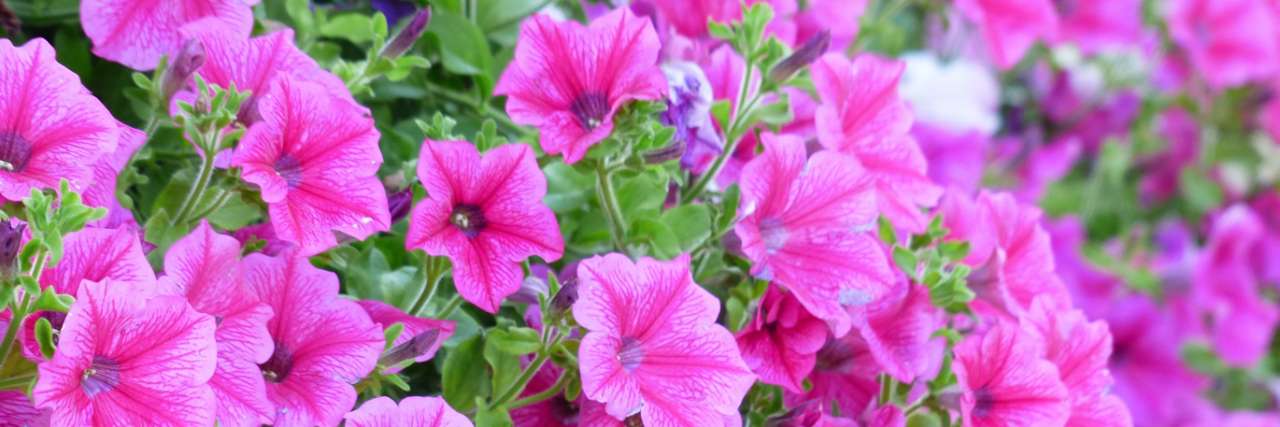
Petunias are a popular annual plant often used as bedding or to add to hanging baskets, window boxes and other container displays to provide a splash of vibrant seasonal colour - Image by Hans from Pixabay
What Are Biennial Plants?
Biennials take two years to complete their life cycle.
- Year 1: Leaf and root growth
- Year 2: Flowering, seed production, then die back
Examples include: Foxgloves, some wallflowers, sweet william and honesty.
Like annuals, many biennials will also self-seed, meaning once established, they can continue to appear in the garden year after year with little effort.
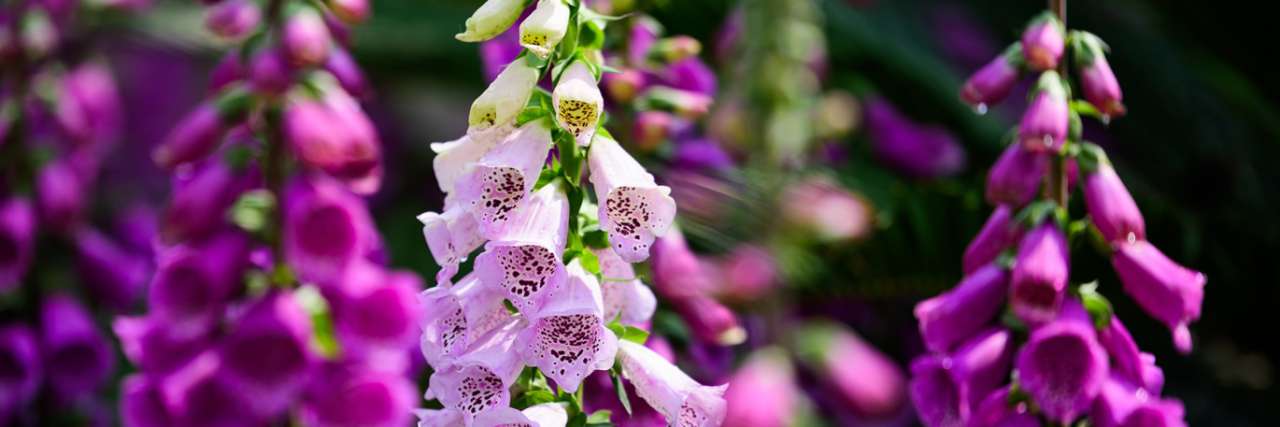
Foxgloves are a much loved biennial plant, with some short-lived perennial varieties to. They are a particular favourite in cottage garden and wildlife garden schemes and are loved by bees as well as gardeners. Biennial and perennial foxgloves will often reseed if allowed to - Image by GuangWu YANG from Pixabay
What Are Perennials?
Perennials are plants that live for several years, returning each growing season. However, not all perennials behave in the same way, and understanding the differences is key.
Herbaceous Perennials
These die back completely to ground level in autumn and re-emerge in spring.
Examples include: Hostas, delphiniums, peonies and geraniums.
Important note: It is very common for gardeners to assume these plants have died over winter. In reality, they are simply dormant and will return when conditions improve.
If a plant appears not to return:
- Check for signs of emerging shoots just below the soil surface
- Look for slug damage — young shoots are particularly vulnerable
- Consider applying organic slug control if needed
Patience is often key with herbaceous perennials.
Short-Lived Perennials
Some perennials only live for a few years but may self-seed or can be easily replaced. Many can also be propagated by cuttings to insure a continued supply.
Examples include: Lupins, aquilegia and gaura.
Deciduous, Evergreen and Semi-Evergreen
- Deciduous perennials: Lose all foliage in winter (e.g. hostas)
- Evergreen perennials: Retain foliage year-round (e.g. heuchera, bergenia)
- Semi-evergreen: Retain some foliage depending on conditions (e.g. some geraniums)
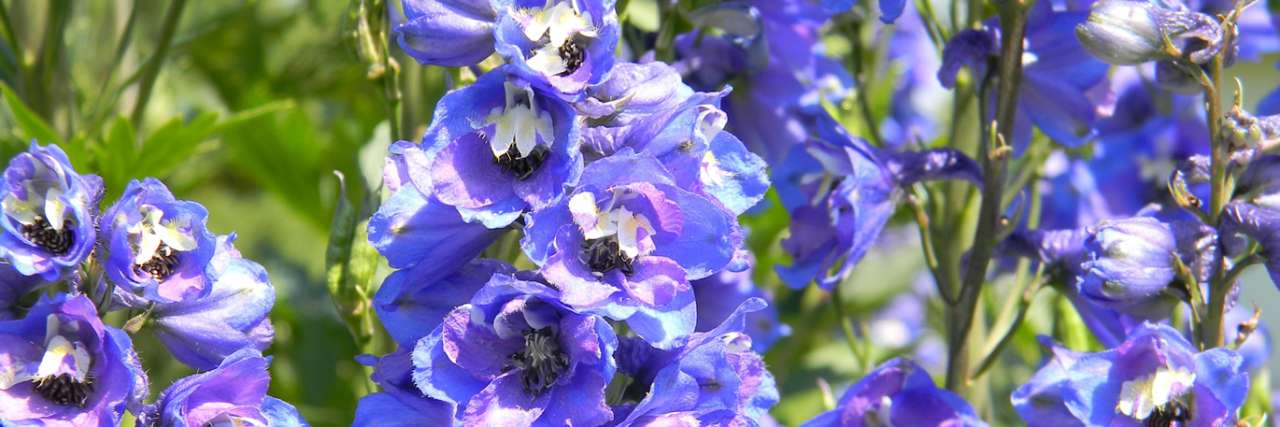
Delphiniums are a classic example of a herbaceous perennial that can be prone to slug damage and have some gardeners wondering why this perennial has failed to return in spring. Consider applying organic slug control if needed - Image by Alina Kuptsova from Pixabay
What Are Shrubs?
Shrubs are woody plants that remain above ground year-round and form a permanent structure in the garden.
They can be:
- Deciduous: Lose leaves in winter (e.g. hydrangea, spirea)
- Evergreen: Retain foliage year-round (e.g. box, laurel)
Shrubs are often used for:
- Structure and height in borders
- Hedging and screening
- Long-term planting schemes
...And Sub-Shrubs?
Sub-shrubs are plants that have a woody base but softer, often herbaceous growth above.
Examples include: Lavender, thyme and some salvias.
These plants often benefit from light pruning to maintain their shape and prevent them becoming too woody.
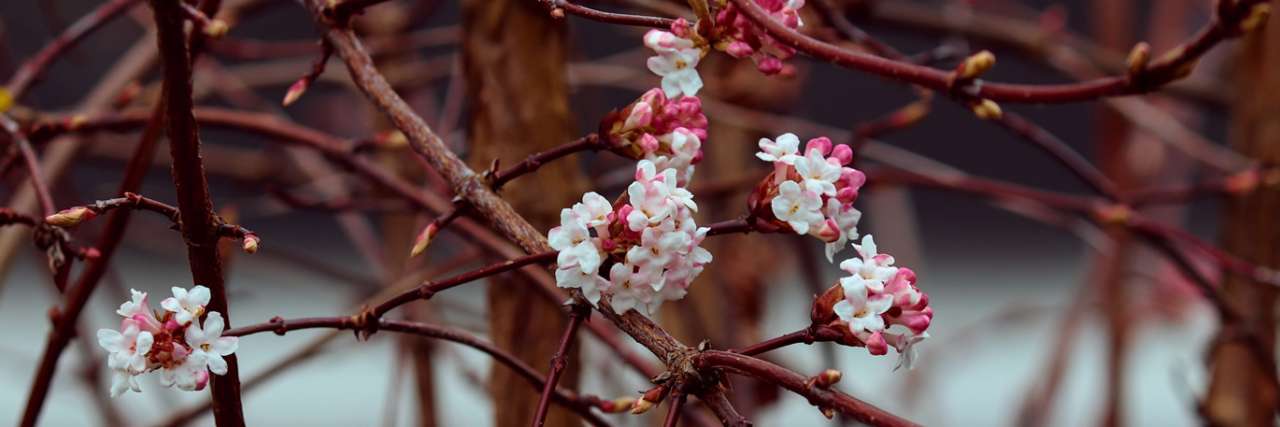
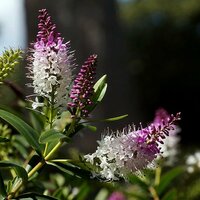
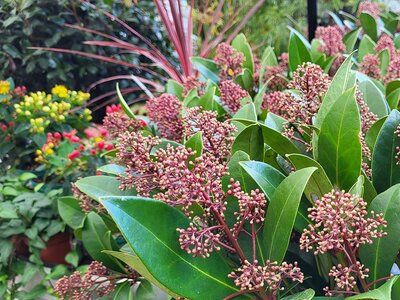
This viburnum not only maintains its structure through winter but also produces its flowers at a time when little else does - Image by Manfred Richter from Pixabay
Choosing the Right Plant Type
Each plant type has its place in the garden:
- Annuals: For quick, seasonal colour
- Biennials: For naturalising and cottage garden style planting
- Perennials: For long-term planting and returning displays
- Shrubs: For structure and permanence
A well-balanced garden will often include a mix of all four.
Final Thoughts
Understanding the differences between annuals, biennials, perennials and shrubs helps take the guesswork out of gardening. It also helps explain why some plants return year after year while others need to be replanted or replaced.
With the right knowledge — and a little patience — you can create a garden that offers colour, structure and interest throughout the seasons.
Not sure which plants are right for your garden?
Visit our garden centres in Boyle and Roscommon or speak to our team for advice on choosing the best plants for your space.