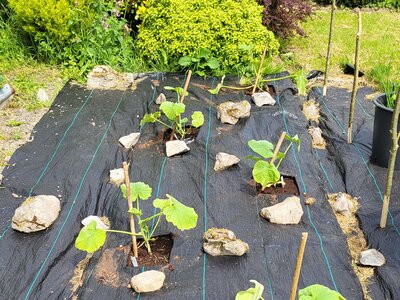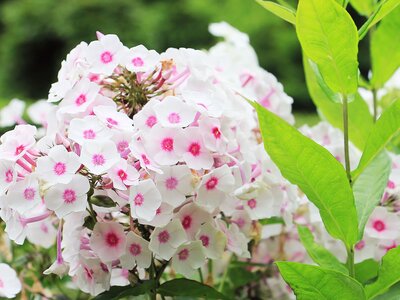

Alstroemeria, often known as the Peruvian Lily or Lily of the Incas, are among the most rewarding summer-flowering perennials for both garden displays and cut flower arrangements. Producing masses of exotic-looking blooms over a long season, they offer vibrant colour, excellent vase life and reliable performance when grown in the right conditions.
In Ireland — particularly in the west where winters can be cold and damp — understanding how to care for these tuberous perennials is key to long-term success. With suitable drainage and winter protection, alstroemeria can return year after year, forming larger and more floriferous clumps over time.
What Type of Plant is Alstroemeria?
Alstroemeria are tuberous perennials, meaning they grow from fleshy underground tubers that store energy over winter before sending up new shoots in spring.
This is important because, unlike annual bedding plants, the foliage may die back in autumn while the plant itself remains alive below ground.
Top tip: In Irish gardens, winter wet is often more damaging than cold itself, so protecting the tubers from waterlogging is essential.
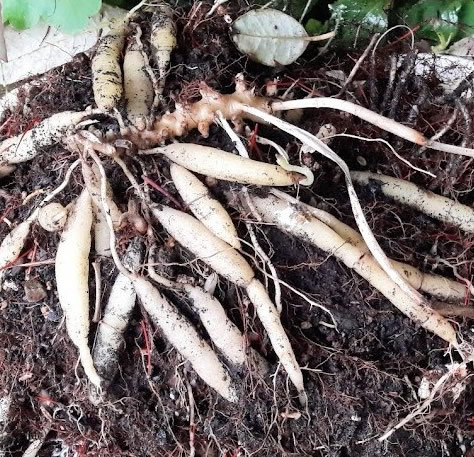
Alstroemerias are tuberous perennials and it is the tubers that need protecting over winter as they don't like sitting in cold wet soil during their dormant season.
Where Do Alstroemeria Grow Best?
Alstroemeria thrive in a bright, sheltered position with good drainage.
- Light: Full sun or light partial shade
- Shelter: Protect from strong winds where possible
- Drainage: Essential, especially in winter
In the west of Ireland, south-facing borders or sheltered patio containers often give the best results.
Soil and Growing Conditions
These plants prefer fertile but free-draining soil.
- Add grit or organic matter to improve drainage
- Avoid heavy, waterlogged ground
- Raised beds can be particularly effective in wetter gardens
While alstroemeria enjoy moisture during active growth, they dislike sitting in wet soil over winter.
How to Plant Alstroemeria
The best time to plant is in spring once the risk of severe frost has passed.
- Plant tubers or young plants carefully as roots can be brittle
- Position slightly deeper than the root ball
- Water in well after planting
Allow space for plants to spread gradually over time.
Growing Alstroemeria in Containers
Container growing works particularly well in Ireland and offers better control over drainage.
- Use a rich but free-draining compost mix
- Ensure containers have good drainage holes
- Position in a sunny, sheltered location
Containers can also be moved to more sheltered areas during severe winter weather.
Winter Protection (Very Important in Ireland)
Protecting the tubers through winter is one of the keys to success with alstroemeria.
- Apply a thick mulch around the base in autumn - a dry mulch of something like composted bark is best.
- Avoid waterlogged soil during winter months
- Move containers to a sheltered position if severe frost is expected
In particularly exposed gardens, some gardeners choose to cover crowns during prolonged cold spells.
Feeding and Ongoing Care
Regular feeding will encourage stronger flowering throughout summer.
- Apply a balanced feed in spring
- Use a high-potash feed during flowering
- Water during prolonged dry periods
Rather than cutting stems, many gardeners prefer to gently pull spent stems from the base, which can help encourage fresh flowering shoots.
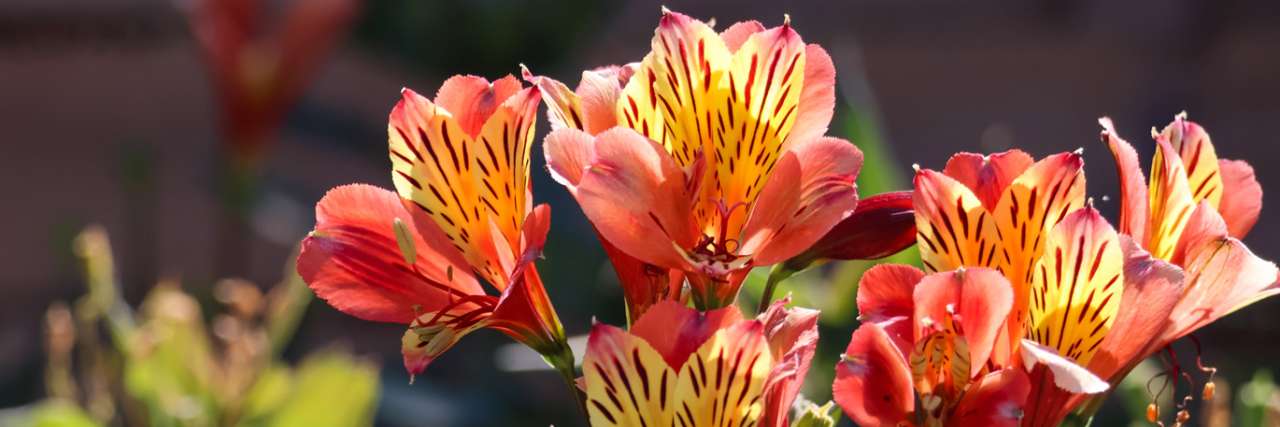
Asltroemeria 'Indian Summer' is one of our favourite varieties here at Ardcarne Garden Centre - I personally found this to be one of the hardier, less fussy varieties as it managed to survive exposed conditions for several years here in the west, before my neglect over several winters finally killed it off! (not something I would recommend as a simple application of mulch each winter would have seen this plant continue to be productive for many more years!) - Image by Harald1217 from Pixabay
Varieties We Love This Season
- ‘Indian Summer’ – A striking variety with rich orange and bronze flowers paired with dark foliage. Excellent for adding warmth and contrast to borders.
- ‘Summer Saint’ – Produces elegant soft-toned blooms over a long season and works beautifully in mixed perennial planting schemes.
- ‘Inca Ocean’ – A compact variety featuring lavender-pink tones with darker markings, ideal for containers and smaller gardens.
- The Colorita Series – A range of compact, free-flowering alstroemeria bred specifically for patio pots and smaller spaces, available in several vibrant colours.
Alstroemeria in the Cut Flower Garden
Alstroemeria are highly valued by florists due to their exceptional vase life and colourful blooms.
- Excellent for bouquets and arrangements
- Long-lasting when cut
- Continuous flowering through summer
Regular picking can actually help encourage further flowering, making them ideal for dedicated cut flower gardens.
Companion Planting Ideas
Alstroemeria combine beautifully with other long-flowering perennials and cottage garden favourites.
Good companion plants include:
- Salvia: Adds contrasting flower spikes and attracts pollinators
- Nepeta: Softens planting schemes and shares similar growing conditions
- Roses: Create colourful mixed borders with extended seasonal interest
- Ornamental grasses: Add movement and texture alongside the upright flowering stems
These combinations help create layered displays with colour and structure throughout summer.
Common Problems
- Poor flowering: Usually caused by lack of feeding or insufficient sunlight
- Winter losses: Often linked to poor drainage and waterlogged soil
- Slug damage: Young shoots can be vulnerable in spring so it's a good idea to use some method of prevention like a slug barrier or organic pellets if necessary.
Propagation and Division
Once established, alstroemeria can gradually form larger clumps and may be divided to create additional plants.
The best time to divide alstroemeria is usually in spring, just as new growth begins to emerge.
- Carefully lift the clump with a fork or spade
- Separate healthy sections, ensuring each division has roots and several shoots or growing points attached
- Replant immediately into well-prepared, free-draining soil or containers
- Water well after planting and protect from strong sun or wind while re-establishing
Important: Alstroemeria roots can be brittle, so handle divisions carefully during the process.
Division not only increases your plant stock but can also help rejuvenate older clumps and encourage stronger flowering over time.
Final Thoughts
Alstroemeria are among the most rewarding flowering perennials for Irish gardens, offering months of colour and excellent cut flowers from relatively compact plants.
By focusing on good drainage, winter protection and regular feeding, these beautiful tuberous perennials can thrive even in the west of Ireland, returning year after year with increasing strength and flower power.
Looking to add alstroemeria to your garden?
Visit our garden centres in Boyle and Roscommon or browse our latest varieties online.