
Lavender is one of the most recognisable and much-loved garden plants, known for its fragrant foliage, soft purple tones and ability to attract pollinators. When grown well, it can form beautiful, low-maintenance borders and add a Mediterranean feel to any garden.
However, growing lavender successfully in Ireland — particularly in the west — can present challenges. Prolonged wet weather, heavy soils and cool conditions can all impact its longevity. With the right approach, though, lavender can thrive and become a long-lasting feature in your garden.
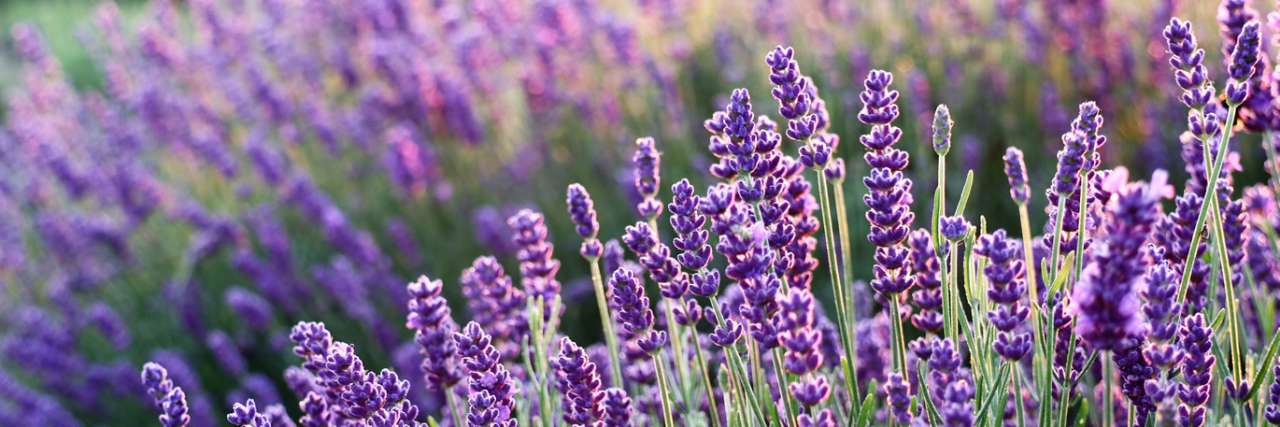
'English Lavender' or lavandula angustifolia, is the hardiest of the lavender and is considered to have the best scent although it is slightly less decorative than 'French Lavender'. Image by 🍀💜Anna💜🍀 from Pixabay
Why Lavender Can Struggle in Ireland
Lavender naturally grows in dry, sunny Mediterranean climates, so Irish conditions can be quite different.
- Excess moisture: Wet soil, especially in winter, can lead to root rot
- Heavy soils: Clay soils retain water and restrict drainage
- Lack of sun: Reduced sunlight can impact flowering and growth
Top tip: Most lavender losses in Ireland are due to poor drainage rather than cold temperatures.
Where Does Lavender Grow Best?
Choosing the right position is the most important step.
- Full sun: Essential for strong growth and flowering
- Sheltered location: Protect from strong winds where possible
- Raised areas: Slopes, raised beds or gravel gardens are ideal
South-facing positions will always give the best results.
Soil and Drainage — The Key to Success
Lavender must have free-draining soil to thrive.
- Add grit or sand to improve drainage
- Avoid planting in heavy, waterlogged ground
- Consider raised beds or containers in wetter areas
In the west of Ireland, improving drainage is often the difference between lavender lasting one year or many.
Planting Lavender
The best time to plant lavender is in spring or early summer.
- Plant slightly higher than soil level if drainage is poor
- Space plants well to allow airflow
- Water in initially, but avoid overwatering once established
Growing Lavender in Containers
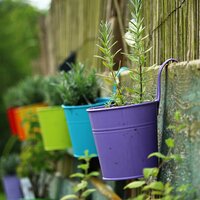
For many gardens in Ireland, containers are one of the most reliable ways to grow lavender.
- Use a gritty, free-draining compost mix
- Ensure pots have good drainage holes
- Position in full sun
This method gives you full control over soil conditions and moisture levels - you can even relocate the pots to a more sheltered area over prolonged wet periods.
Feeding and Care
Lavender prefers relatively poor soil and does not require heavy feeding.
- Avoid high nitrogen feeds
- Light feeding in spring is sufficient if needed
- Do not overwater once established
Pruning Lavender
Regular pruning helps keep plants compact and prevents them becoming woody.
- Trim after flowering to maintain shape
- Avoid cutting into old woody growth
- Light pruning in spring can encourage bushier growth
Popular Lavender Varieties
- ‘Hidcote’ – A compact variety with deep purple flowers, ideal for edging and smaller spaces.
- ‘Munstead’ – One of the most reliable varieties, slightly lighter in colour and very hardy.
- ‘Vera’ – Often considered one of the true English lavenders, valued for its fragrance and traditional appearance.
- ‘Essence Purple’ – A modern variety with vibrant colour and strong, upright growth.
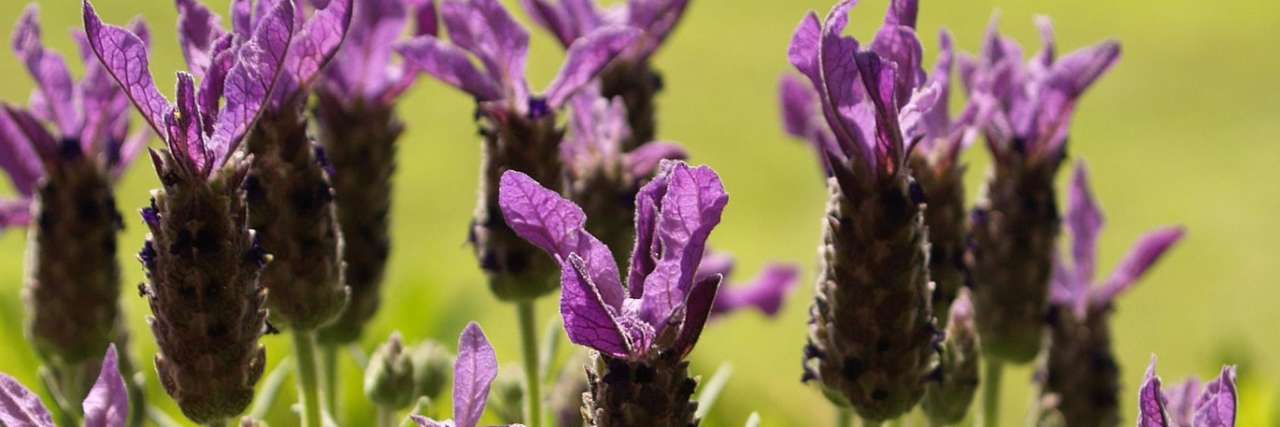
'French Lavender' sometimes referred to as 'Butterfly Lavender' is considered the most ornate and tends to have a longer flowering season but does require more winter care. Image by TraumTraeumer from Pixabay
Beyond Purple
While purple is the classic lavender colour, there are also varieties available in:
- Soft pink tones like Lavandula angustofiia 'Rosea'
- White flowering forms such as Lavandula angustofiia 'Alba'
- Paler lilac shades e.g. Lavandula stoechas 'Lavinnova Lilac Sensation'
These can be used to create softer or more varied planting schemes.
Companion Planting with Lavender
Lavender works beautifully alongside other sun-loving, free-draining plants, creating a cohesive and low-maintenance planting scheme.
Good companion plants include:
- Roses: A classic pairing — lavender helps attract pollinators and adds contrast at the base of rose bushes.
- Thyme and other herbs: Share similar growing conditions and create a Mediterranean-style planting.
- Salvia and Nepeta: Provide long-lasting colour and complement lavender’s form and texture.
- Ornamental grasses: Add movement and contrast to the structured shape of lavender.
By grouping plants with similar needs, you create a border that is not only visually appealing but also easier to maintain.
Planting a Lavender Hedge
Lavender makes an excellent low hedge, ideal for edging paths, borders or vegetable plots. When planted correctly, it creates a fragrant, pollinator-friendly feature.
- Spacing: Plant 30–45cm apart, depending on the variety
- Position: Choose a sunny, well-drained location
- Soil preparation: Improve drainage with grit or sand before planting
Regular trimming after flowering will help maintain a neat, compact shape and encourage bushier growth.
Best varieties for hedging: ‘Hidcote’ and ‘Munstead’ are particularly well suited due to their compact habit and reliability.
Common Problems
- Plants dying in winter: Usually due to waterlogged soil
- Leggy growth: Lack of pruning or insufficient sunlight
- Poor flowering: Too much shade or overfeeding
Why Is My Lavender Dying?
Lavender is often seen as a low-maintenance plant, but in Irish conditions it can struggle if a few key requirements are not met. If your lavender is declining, the cause is usually one of the following:
- Waterlogged soil: The most common issue. Lavender roots do not tolerate sitting in wet soil, particularly over winter. Improving drainage is essential.
- Too much shade: Lavender needs full sun to thrive. In shaded positions, plants become weak, leggy and short-lived.
- Overfeeding: Rich soils or excessive fertiliser can lead to soft growth that is more prone to disease and winter damage.
- Lack of pruning: Without regular trimming, lavender becomes woody and can split or die back.
- Exposure to wind and wet: In open gardens, constant wind and rain can stress plants and reduce their lifespan.
Top tip: If lavender repeatedly fails in the ground, try growing it in containers where drainage can be controlled more easily.
Final Thoughts
Lavender may not be naturally suited to Ireland’s climate, but with the right conditions — particularly good drainage and plenty of sunlight — it can thrive and become a long-lasting feature in your garden.
By working with your conditions rather than against them, and making a few simple adjustments, you can enjoy healthy, fragrant lavender plants year after year.
Looking to grow lavender successfully?
Visit our garden centres or browse our range to find the best varieties for Irish conditions.