
June is a wonderfully rewarding month in the garden. Borders are filling out rapidly, vegetables are putting on strong growth and those jobs tackled earlier in spring are beginning to pay off. While the longer days and milder temperatures make gardening a pleasure, it’s also a month where regular maintenance becomes increasingly important — especially in the west of Ireland, where warmth and moisture can encourage both rapid growth and plenty of weeds!
Keeping the momentum going
June is all about staying on top of things little and often. Regular watering, feeding, deadheading and tying in growth now will keep your garden productive, healthy and looking its best throughout summer.
Ornamental Flowers, Trees & Shrubs
Early summer borders should now be bursting into life, with roses, delphiniums, lupins and hardy geraniums all putting on strong growth. Continue staking taller perennials before they become top-heavy and vulnerable to wind damage.
Deadheading bedding plants, roses and early-flowering perennials regularly will encourage repeat flowering and help keep displays looking tidy. Remove faded blooms just above a healthy leaf joint or side shoot.
Spring-flowering shrubs will soon finish blooming — including lilac, choisya, weigela and deutzia — once the flowers are spent they can be lightly pruned to maintain shape and encourage strong flowering growth for next year. Remove a portion of older stems at the base where necessary to keep shrubs vigorous.
Hardy annuals can still be sown directly outdoors this month. Good options for June sowing include calendula, nasturtiums, nigella, cornflowers and annual poppies. Sow into a fine tilth, keep well watered and thin seedlings as they establish.
Dahlias should now be growing strongly. Tie taller varieties securely to stakes and feed regularly with a high-potash fertiliser once buds begin to form. Continue taking cuttings from vigorous plants if suitable growth is available.
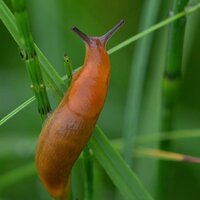
Keep an eye out for pests such as aphids, lily beetle and slugs, particularly after wet weather.
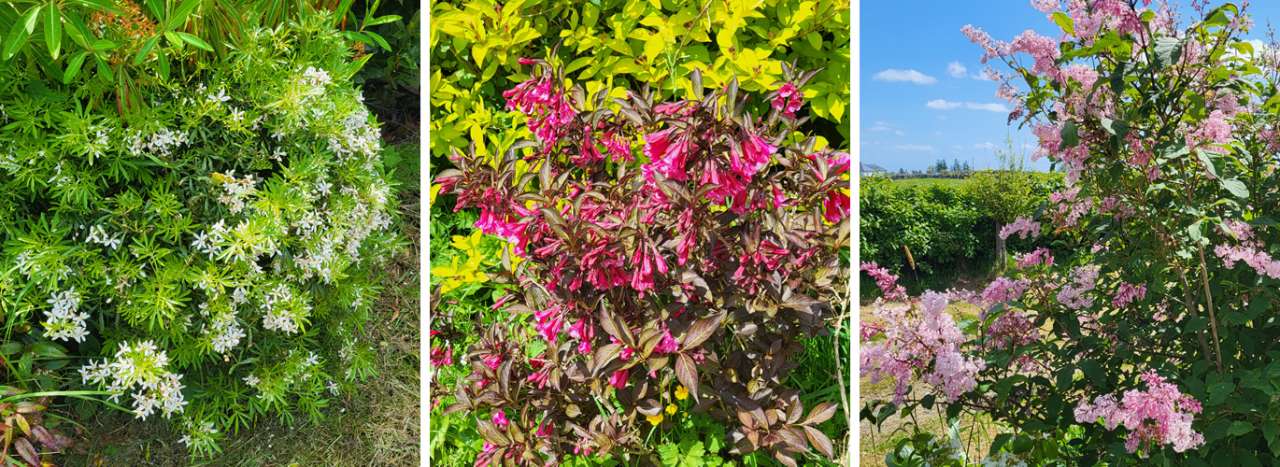
Flowering shrubs like Choisya, Weigela and Lilac (left to right) are putting on a good display right now but once they have finished flowering later in the month, this will be a good time to give them a light pruning to maintain their shape and encourage stronger growth. Photos taken by Richard (AGC) 29/05/2026.
Grow Your Own
For Outdoors
June is an excellent month for succession sowing to ensure a continuous harvest later in the season. Lettuce, spinach, radish, beetroot, carrots, spring onions and salad leaves can all be sown regularly.
French beans, runner beans, peas and sweetcorn can continue to be planted outdoors along with courgettes, pumpkins and squash if you haven't already.
If you're lucky enough to have a sheltered garden in a sunny part of the country (maybe not so much here in the west of Ireland!) you may be able to plant out some tomatoes, cucumbers and outdoor peppers once night temperatures remain mild.
Earth up potatoes as foliage develops and keep crops consistently watered, particularly during dry spells, to help prevent problems such as scab and splitting.
Thin out direct-sown seedlings where needed to avoid overcrowding and encourage strong root development.
Soft fruit crops such as strawberries may need netting to protect ripening fruit from birds, while raspberries and currants benefit from regular watering during dry weather.
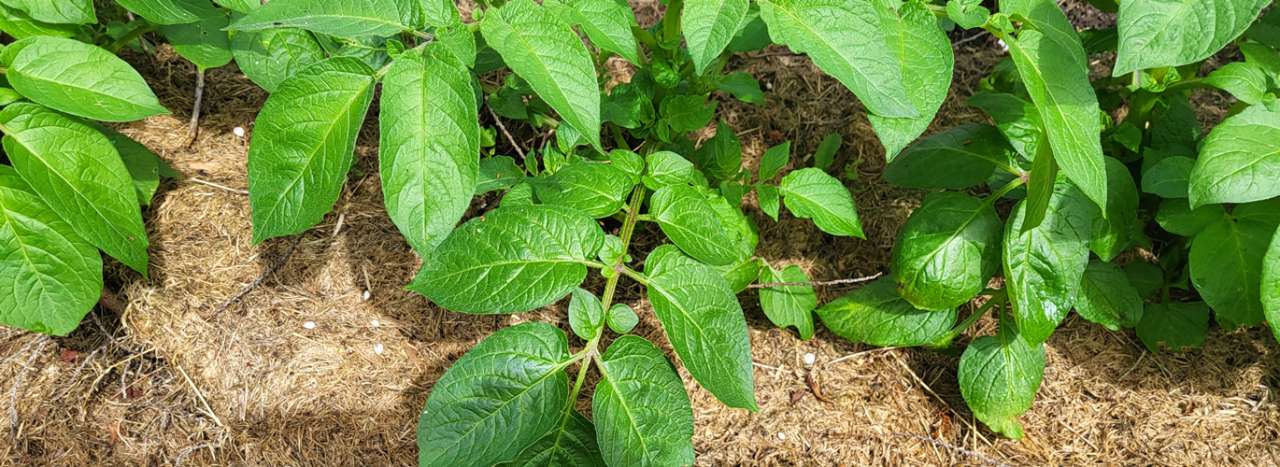
With grass cutting well under way now, be sure not to waste those grass clippings! Here you can see where I have used grass clippings to mulch and help 'earth up' my potato plants. This will help retain moisture (which was a big help during the recent 'heat wave') and with added layers, will prevent my valuable spuds from being exposed to the sun. Try not to add too thick a layer all at once though. Here you can see the clippings have already dried out and so I'll be fine to add another layer when I next mow the lawn. Too thick a layer of green clippings can just result in a thick sludge - especially if we have a prolonged period of wet weather, which is always a possibility here in the west! - Richard (AGC) Photo taken 29/05/2026
For Polytunnels & Greenhouses
Growth under cover can become very rapid this month. Ventilate well during warm weather to reduce humidity and improve airflow around plants.
Tomatoes should be tied in regularly and side shoots removed from cordon varieties. If you your tomatoes are becoming well established, it's worth removing some lower leaves to improve airflow around your plants, especially if any are touching the soil. This will help discourage any disease or fungus setting in. Begin feeding weekly with a tomato fertiliser once trusses have set fruit. Growing French marigolds (Tagetes) around tomatoes can help prevent whitefly infestation as the strong smell deters them, so these may be worth planting as a companion if you can get hold of some plugs or have already grown some from seed.
Sometimes, especially with recent heatwaves, excessive heat can give you problems in a greenhouse for tomatoes, which could lead to tough skins and blotchy ripening. This can be avoided by adding shade paint, hanging shade fabric or even positioning larger plants outside the greenhouse or tunnel that will provide shade in the summer months and as we've already mentioned, insuring there is good ventilation is also key.
Cucumbers, peppers, chillies and aubergines will all benefit from regular feeding and consistent watering. Avoid letting compost dry out completely, particularly during sunny periods.
Continue sowing fast-growing crops such as basil, coriander, lettuce and rocket for a steady supply through summer.
Watch carefully for signs of red spider mite, whitefly and aphids, which can build up quickly in warm greenhouse conditions.
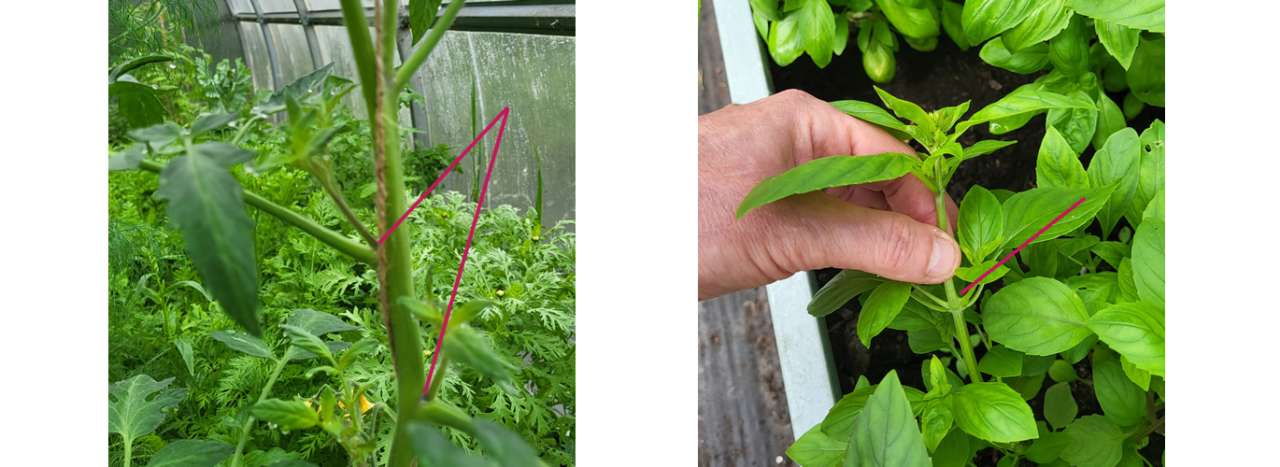
Left - Cordon varieties of tomato grown under cover will require you to pinch out the shoots that develop between the main stem and a leaf node as pictured (excuse the blurry photo!). This will ensure more energy goes into flower and fruit production as well as preventing the many shoots from taking over and causing problems with airflow.
Right - If you're growing basil, these can be very productive throughout the year if you harvest the tops regularly for use, rather than the whole plant. By pinching out just above where there are two opposing leaves (as above) this will push the energy into two new stems making your plant more bushy and productive, essentially doubling up leaf production each time - Richard - Photo taken 29/05/2026
Indoor Plants
Houseplants will be in strong active growth now and may require more regular watering, particularly in bright rooms or conservatories.
Feed regularly with a balanced liquid fertiliser and continue repotting plants that have become root-bound.
Many indoor plants benefit from being moved outdoors for summer, provided they are placed in a sheltered, lightly shaded position and acclimatised gradually.
Continue monitoring for pests such as scale insect, spider mite and fungus gnats.
General Maintenance
Lawns should now be cut regularly, ideally little and often. During prolonged dry spells, raise mower blades slightly to reduce stress on the grass.
Edges and pathways can quickly become untidy at this time of year, so regular trimming and sweeping will help keep the garden looking cared for.
Ponds may begin to develop algae as temperatures rise. Remove blanket weed where possible, thin excessive growth from aquatic plants and ensure pumps and filters remain clean and functioning correctly.
Mulching beds, borders and containers will help conserve moisture and reduce watering needs during warmer periods.
Garden tools should be cleaned regularly and sharpened where needed to make summer pruning and maintenance easier.
Final Thoughts
June is one of the most enjoyable months in the garden, with growth, colour and productivity all building rapidly. By keeping on top of watering, feeding and regular maintenance, you’ll set the stage for a healthy and vibrant garden throughout the rest of summer.
Everything you need for June gardening
From summer bedding and vegetable plants to feeds, compost and watering essentials, we have everything you need to keep your garden flourishing this month. Visit us in-store or shop online at your convenience.