

It’s not too late to plant most perennials and many shrubs. This temperate time of year gives newly planted stock a gentle window to establish roots and settle in before the ground freezes and the busy burst of spring arrives. That said, as the evenings draw in many of us naturally start to withdraw from the garden — which actually makes now the perfect moment to plan, list and prepare for the year ahead.
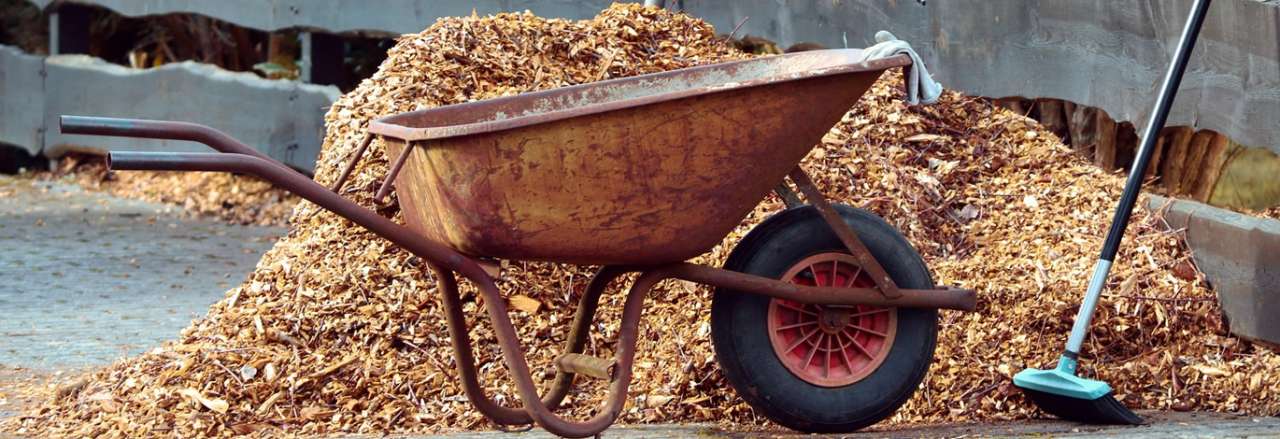
Last-minute jobs before you ‘hibernate’
Before the really cold weather sets in, a few small jobs now will save time and headaches come spring. Think of these as simple, satisfying tasks that protect what you’ve grown and give you a cleaner slate for next year.
- Polytunnel & greenhouse tidy: Clear out spent crops, disinfect surfaces, sweep up debris and move any remaining harvests inside. A clean polytunnel reduces pests and disease next season.
- Cover vegetable beds: Add a layer of well-rotted compost or mulch, or use horticultural fleece to protect roots from sharp frosts. If you use cloches, check for damage and secure them down.
- Deadhead & cut back selectively: Remove spent annuals and cut back tender perennials. Leave seedheads where they provide winter interest and food for birds (e.g., echinacea, teasels).
- Protect patio pots and tender plants: Move frost-tender containers under cover or group pots together and wrap with horticultural fleece. Lift very large pots slightly off the ground to avoid frost heave.
- Tidy borders: Clear weeds, lift and divide overcrowded perennials, and add a light mulch to suppress winter weeds while improving soil structure.
- Check trees and shrubs: Stake any newly planted trees if needed and add a fresh mulch ring to conserve moisture and deter weeds.
- Tools & supplies: Clean and oil tools, sharpen blades, and store hoses away. Label and pack away seed trays, ties and canes so they’re ready when spring returns.
- Wildlife care: Leave a small log pile or brushwood area for hedgehogs and invertebrates. Top up bird feeders and make sure water sources don’t freeze over when temperatures fall.

Indoor planning: sketch, list, and dream
With fewer outdoor tasks on the go, this is an excellent time to sit down with a cuppa and plan thoughtfully. A little preparation now makes next season so much smoother.
- Review what worked (and what didn’t): Walk the garden with a notebook or phone and take photos. Which beds were lush? Which corners stayed stubbornly dry or wet? Note colours, scents and practical issues (drainage, shade).
- Sketch changes: Even a rough plan is useful. Consider moving a shrub to create a new focal point, adding a small seating nook, or carving a bulb lawn for spring colour.
- Plan your seed list: Make a seed wishlist for the veg plot and flower borders — include varieties, quantities, sowing times and companion plants. Keep an eye out for heritage or pollinator-friendly mixes.
- Decide on themes: Maybe 2026 is the year for a cottage-style border, more pollinator plants, or a low-maintenance area. Setting a theme helps guide purchases and planting choices.
- Budget & shopping list: Tally up bulbs, compost, timber for raised beds, pots and any larger items (e.g., a new shed or a small water feature). Having a budget avoids impulse buys later in the spring rush.
Propagation, seed-starting and indoor preparation
Planning ahead means you can get a head-start on propagated plants and seedlings indoors — whether to fill gaps, save money or experiment with favourites.
- What to propagate now: Take hardwood cuttings from shrubs like lavender, salvia and certain roses if the wood is ready; overwinter basal divisions of perennials indoors (e.g. pelargoniums); and take soft cuttings from tender herbs if you have indoor light.
- Start a seed organising system: Sort, label and date your packets. Use clear storage tubs and a simple spreadsheet or paper log noting sowing dates, germination times and whether they were successful last year.
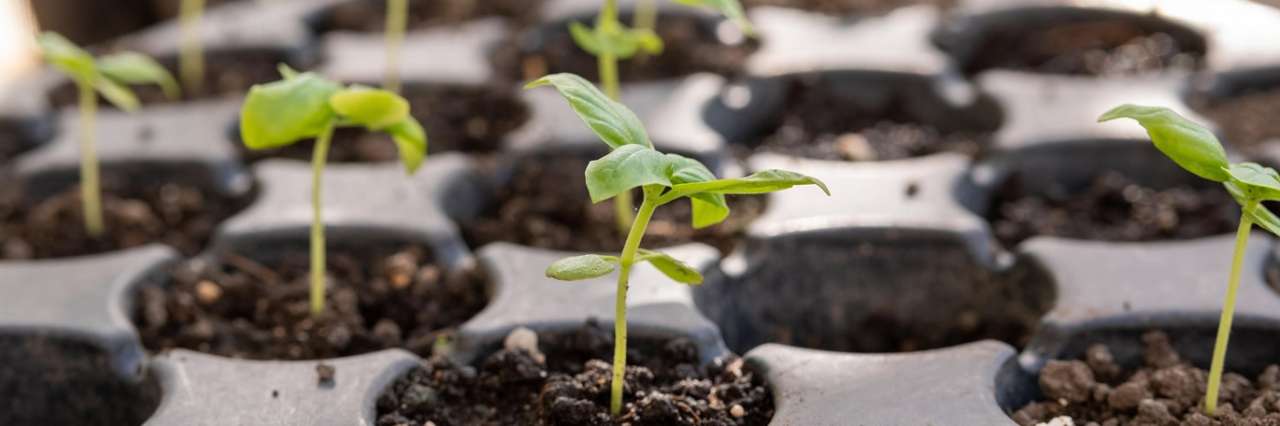
- Potting-up area: Create a small indoor area for potting — window sill or a south-facing shelf. Gather modular trays, labels, a heat mat (if you use one), and good-quality seed compost.
- Sowing schedule: Draft a sowing calendar. Some crops (broad beans, early peas) can be sown in late winter under cover; others (tomatoes, peppers) need a long indoor head-start.
- Light & watering plans: Inspect grow lights and timers if you have them; for natural light, rotate trays frequently and avoid overwatering which is the common culprit with indoor seedlings.
Small projects that make a big difference
If you want to chip away at one manageable project before winter — pick something that adds value without needing constant maintenance.
- Create a bulb plan: Order and pre-sort spring bulbs (daffodils, crocus, alliums) and make notes where you’ll plant them for staggered blooms.
- Build or refresh raised beds: Repair timber, top up with fresh compost and plan crop rotations for the veg plot.
- Improve drainage: Mark where puddles form and consider adding gravel channels or improving the soil with organic matter in problem areas.
- Add winter colour: Note pockets for winter-flowering shrubs (hamamelis, viburnum) and plan for small container groups to brighten patios and doorways.
- Plan for pollinators: Choose nectar-rich perennials and winter-flowering plants that support bees and hoverflies as early as possible.
Final thoughts
Planning your garden in the quieter months turns the season’s rest into a creative advantage. A little time now — clearing, listing and sketching — will give you more freedom and enjoyment next spring. Gardening is a long conversation with the land: listening, tweaking and dreaming are all part of the fun. Take comfort in knowing that the small steps you take now set the stage for a more joyful, productive year ahead.
Ready to get organised for next season?
Pop in to see us for seed packs, bulbs, compost and friendly advice...