
Lupins are among the most recognisable plants of the early summer garden, producing tall, colourful flower spikes that rise proudly above borders and cottage gardens. Their distinctive vertical structure and vibrant colour range make them ideal for adding height and drama to planting schemes, while their nectar-rich flowers attract a wealth of pollinators. When grown well, lupins are not only beautiful but also surprisingly useful plants that can support the health of the wider garden.
Border lupins vs tree lupins
Most gardeners are familiar with border lupins (Lupinus polyphyllus hybrids), the classic herbaceous perennials grown in cottage gardens for their tall flower spikes in shades of blue, pink, yellow, purple and bi-coloured combinations. These are the varieties most commonly found in garden centres.
Tree lupins (Lupinus arboreus), on the other hand, are shrubby plants that can reach over a metre in height and are often seen in coastal areas and sandy soils. While attractive, they behave quite differently from the traditional border varieties and are not typically grown as ornamental perennials in the same way.
Modern breeding has produced an incredible range of lupins, from compact dwarf varieties such as the Gallery Series which are perfect for containers and smaller gardens, to dramatic bi-coloured varieties like ‘Manhattan Lights’, which combine deep purple petals with striking yellow highlights.
Why Lupins Are Good for Your Garden
Lupins are not only decorative plants — they can also benefit the wider garden ecosystem. Their tall flower spikes are rich in nectar, attracting bees, butterflies and other beneficial insects throughout the flowering season.
Perhaps even more interesting is their ability to improve soil health. Lupins belong to the legume family and form a relationship with specialised bacteria that allow them to fix nitrogen from the air into the soil. This natural process enriches the surrounding soil and can benefit neighbouring plants by improving overall fertility.
Because of this, lupins are sometimes used in permaculture and sustainable garden systems as part of a planting guild where they support the growth of other plants while also providing colour and pollinator interest.
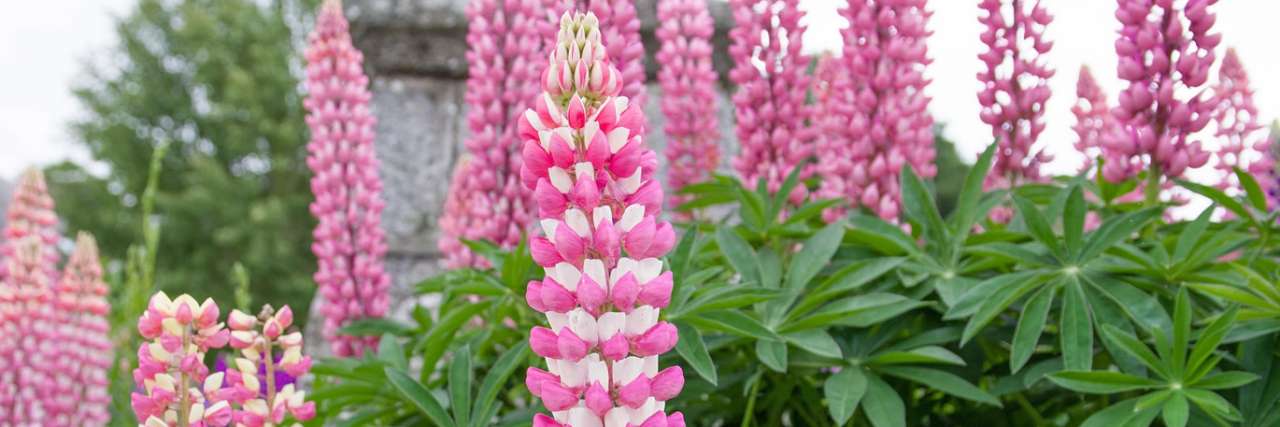
Many lupin varieties are bi-coloured and they all have the added bonus of attractive foliage - Image by jacqueline macou from Pixabay
Where Lupins Grow Best
Position: Lupins thrive in sunny positions with some shelter from strong winds. Their tall flower spikes can be vulnerable to damage in exposed locations, so planting them amongst other border plants or near a wall or hedge can help provide protection.
Soil: Well-drained soil is essential. Lupins prefer slightly acidic to neutral soils and dislike heavy, waterlogged conditions. Improving soil with compost or organic matter before planting will help them establish strong root systems.
Spacing: Allow approximately 40–60cm between plants so they have room to develop healthy clumps.
Planting and Growing Lupins
Lupins can be planted in spring or autumn when soil conditions are moist but not waterlogged. Dig a generous planting hole and incorporate compost to improve soil structure. If you do have heavy soil it is worth adding a good amount of grit and perhaps even raising your soil level slightly to improve drainage before planting.
Water well after planting and keep plants moist while they establish. Taller varieties may benefit from discreet staking, particularly in windy areas.
Deadheading spent flower spikes can encourage additional blooms later in the season, helping extend the display, alternatively, if you plan to propagate further plants from seed, allow the flowers to turn to seed pods and only pick them once the pods have darkened and dried out. It's worth noting that seeds saved and replanted will not produce true to the original plant but it can be exciting to see what colour flowers you will get from the newly propagated seed.
A Few of Our Favourite Varieties This Season
Propagation — Growing Lupins from Seed and Cuttings
Lupins can be propagated in several ways, making it easy to build up a larger planting over time.
1. Sowing Seeds Directly
The simplest method is sowing seeds directly from the packet. Lupin seeds can be slow to germinate and may take three to four months to sprout naturally. Seeds can be sown in trays indoors in late winter or early spring, or directly outdoors in late spring once the soil begins to warm.
2. Scarifying and Soaking Seeds
Lupin seeds have a tough outer coat which can slow germination. Gently nicking or scratching the seed coat with a knife or sandpaper and then soaking the seeds in water for around 24 hours can speed up the process. After soaking, sow seeds in trays or small pots filled with moist compost.
3. The “Fridge Method” for Faster Sprouting
Another effective technique is to scarify the seed and place it between sheets of damp kitchen paper inside a sealed plastic bag. Keeping this in the refrigerator for around 10–14 days can trigger germination. Once the seed begins to sprout, it can be carefully transferred into compost to grow on.

These lupin seeds have germinated after just 10 days using the 'Fridge Method' - Image courtesy of littlefarmhouseflowers.com
4. Taking Basal Cuttings
Lupins can also be propagated from basal cuttings taken in spring when new shoots emerge at the base of established plants. Shoots can be carefully removed with a small section of the woody base attached and rooted in moist compost. This method produces plants that are identical to the parent variety.
Companion Planting — What Grows Well with Lupins
Lupins combine beautifully with many traditional cottage garden plants, particularly those that complement their tall vertical flower spikes.
- Delphiniums: Another tall perennial that pairs naturally with lupins in classic cottage garden borders.
- Roses: Lupins can help enrich the soil while adding colourful vertical accents around shrub and climbing roses.
- Alliums: Their globe-shaped flowers provide an attractive contrast to the upright lupin spikes.
- Foxgloves: These plants share similar growing conditions and create a layered planting effect.
- Geraniums (hardy cranesbills): Excellent groundcover that helps suppress weeds around lupins.
Planting lupins amongst other perennials not only enhances visual interest but can also help protect their stems from wind damage.
Final Thoughts
Lupins are a classic garden plant that offer far more than just beautiful flowers. Their towering blooms provide early summer colour, attract pollinators and can even improve soil health through natural nitrogen fixation. Whether planted in traditional cottage garden borders, wildlife-friendly gardens or permaculture-inspired plantings, lupins bring structure, colour and ecological benefits to the garden.
Looking to add lupins to your garden?
Visit our garden centres in Boyle and Roscommon or browse our current range online to discover some of our favourite varieties this season.