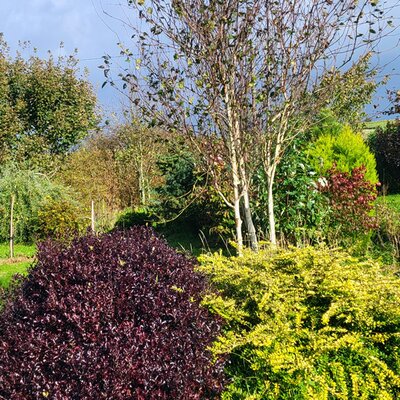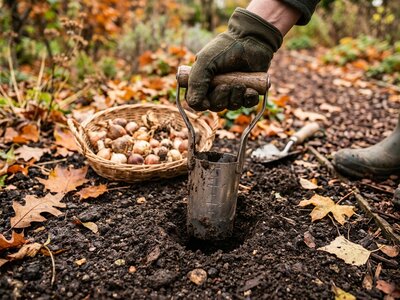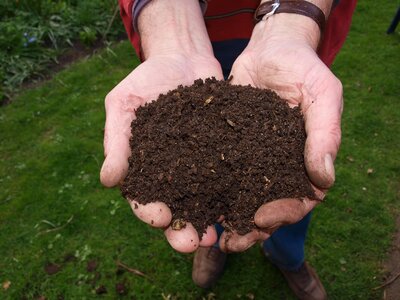

As gardens across the West of Ireland settle into winter, bare-root plants quietly come into their own. Whether you’re planning a new native hedge, planting fruit trees, or adding structure to your garden, bare-root planting is one of the most cost-effective and environmentally friendly ways to grow trees and shrubs. With a little preparation, it’s also one of the most rewarding.
What Are Bare-Root Plants?
Bare-root plants are exactly what the name suggests – trees, shrubs, and hedging plants that are lifted from the ground while dormant and sold without soil around their roots. This makes them lighter to transport, easier to handle, and generally more affordable than container-grown plants.
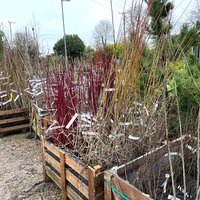
Bare-root plants are commonly used for hedging, fruit and nut trees, roses, and ornamental trees. Because they are lifted while dormant, they establish quickly once planted and often put on strong, healthy growth in their first spring.
In Ireland, the bare-root season typically runs from November to March, depending on weather conditions. Planting is best done while the plants are fully dormant and the ground is not frozen or waterlogged.
The Benefits of Bare-Root Planting
- Better value: Bare-root plants are usually less expensive than potted alternatives, allowing you to plant more for your budget.
- Stronger establishment: With no pot-bound roots, plants can settle quickly into the surrounding soil.
- Eco-friendly: Less plastic, less compost, and lower transport impact.
- Wider choice: Many native and traditional varieties are only available bare-root.
For larger projects such as hedging or orchards, bare-root planting is often the most practical and sustainable choice.
Planting a Native Hedge with Bare Roots
Native hedging is one of the best investments you can make for your garden and the wider environment. A mixed native hedge provides shelter, food, and nesting sites for birds, pollinators, and beneficial insects, while also creating natural boundaries and year-round interest.
Below are some of the most popular native bare-root hedge plants, all well suited to Irish gardens:
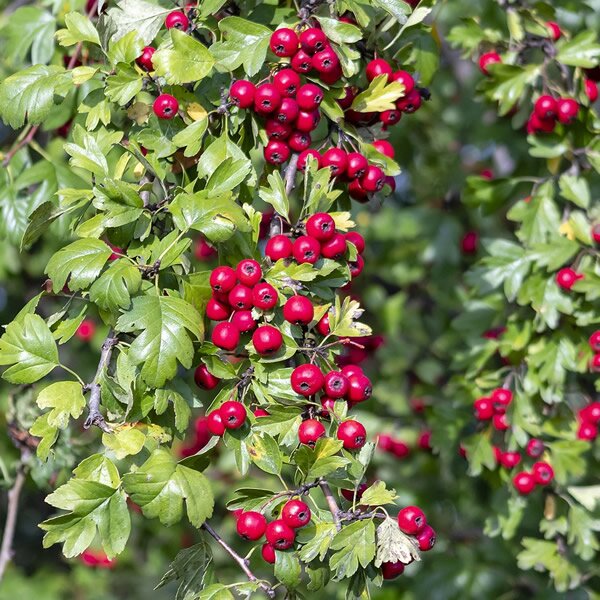
- A cornerstone of native hedging in Ireland, hawthorn produces clouds of white blossom in May followed by red berries in autumn.
- It’s exceptionally valuable for wildlife and creates a dense, stock-proof hedge over time.
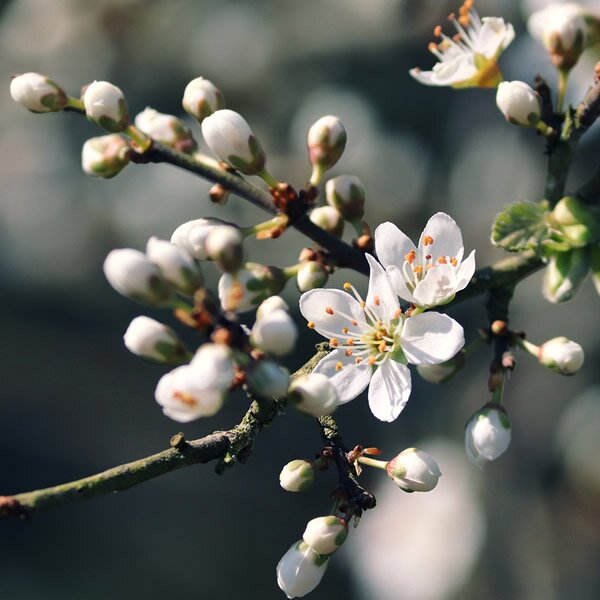
Blackthorn( Prunus spinosa)
- Blackthorn flowers early in the year, providing vital nectar for pollinators before many other plants are in bloom.
- Its dense, thorny growth makes it ideal for security hedging and natural field boundaries.
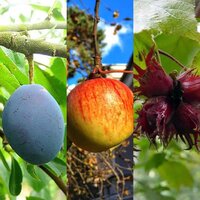
- The bloomy black fruits or 'sloes' are often used to flavour 'sloe gin'.

- This is a great evergreen hedging plant with a slow growing bushy habit.
- Extremely hardy, tolerating exposure sun and shade.
- Doesn't require pruning but can be clipped to add a touch of formality to the garden.
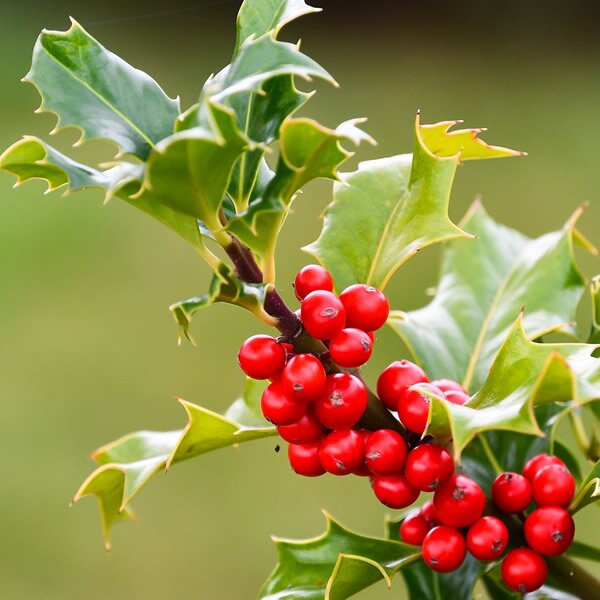
- An excellent evergreen component for native hedges.
- Holly offers year-round structure and winter interest.
- Its berries are especially important for birds during colder months.
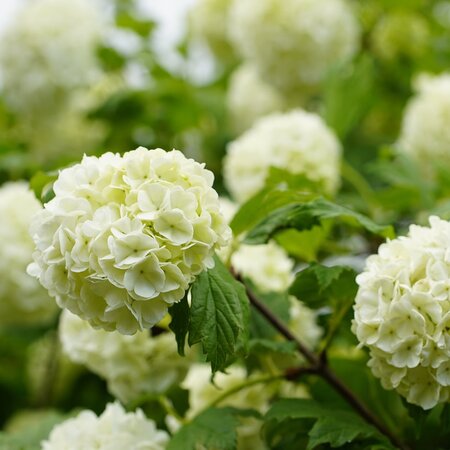
- These flowering shrubs add colour, texture, and seasonal interest to native hedges.
- Guelder rose offers striking autumn berries.
For best results, plant hedging in a staggered double row, spacing plants about 30–45cm apart. Once established, a native hedge becomes largely self-sufficient and improves with age.
Bare-Root Fruit and Nut Trees
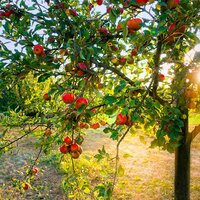
Winter is the ideal time to plant bare-root fruit and nut trees. Apples, pears, plums, cherries, and even cobnuts and hazels are all widely available bare-root and establish exceptionally well.
Popular choices for Irish gardens include:
- Apple trees: Including cooking, eating, and dual-purpose varieties.
- Pear and plum trees: Reliable croppers in sheltered, sunny spots.
- Cherry trees: Best suited to well-drained soil.
- Hazel & Walnut: Ideal for larger gardens and long-term planting.
Bare-root fruit trees are easy to train as bushes, espaliers, or fans, making them suitable for both large and small gardens.
How to Plant and Care for Bare-Root Trees and Shrubs
Planting bare-root plants is straightforward, but good preparation is key:
- Prepare the ground: Remove weeds and dig a generous planting hole, loosening the soil at the base.
- Soak the roots: Before planting, soak bare roots in a bucket of water for 30–60 minutes.
- Plant at the correct depth: Look for the soil mark on the stem and plant to the same level.
- Firm in well: Gently firm the soil around the roots to remove air pockets.
- Water thoroughly: Even in winter, watering helps settle the soil.
After planting, apply a layer of mulch to conserve moisture and suppress weeds. Staking may be required for trees in exposed sites, which is common in the West of Ireland.
Final Thoughts
Bare-root planting is a traditional, practical, and sustainable way to create hedges, orchards, and structure in your garden. With the right timing and a little care, bare-root plants reward you with strong growth, healthy roots, and long-term success – all at excellent value.
Planning a winter planting project?
Explore our range of bare-root hedging, trees, and fruit plants in-store or online, and our team will be happy to help you choose the perfect plants for your garden.