
As we step into a new gardening year, many of us are already thinking beyond the immediate jobs of winter and early spring. How we garden continues to evolve, shaped by changing lifestyles, smaller spaces, climate awareness and a growing desire to create places that feel personal, practical and uplifting.
Looking ahead to the year in gardening
While not every trend will suit every garden, keeping an eye on emerging ideas can offer inspiration and help shape spaces that are enjoyable, resilient and relevant year-round.
1. Table-top & Windowsill Vegetables
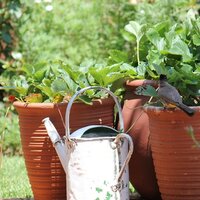
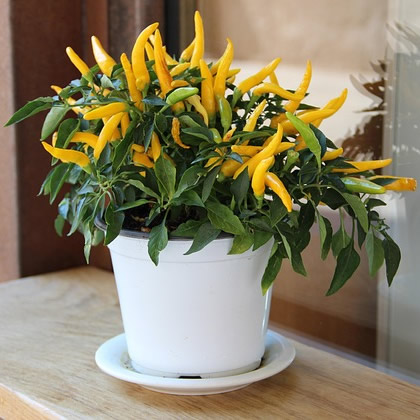
Growing food doesn’t have to mean a large vegetable patch. There has been a noticeable rise in interest in compact, container-friendly edible plants, particularly among gardeners working with limited space or looking to integrate food growing into everyday living areas.
As observed by the Royal Horticultural Society, dwarf and patio vegetable varieties are increasingly popular, reflecting how gardeners are adapting food growing to smaller spaces and modern lifestyles. Compact tomatoes, chillies, aubergines, peppers and herbs all lend themselves well to this approach, combining productivity with visual appeal.
Many compact varieties of vegetables and garden herbs can be grown easily from seed and provides an affordable and enjoyable way of raising these plants at home.
2. "Lemonading": Gardening Made Easier
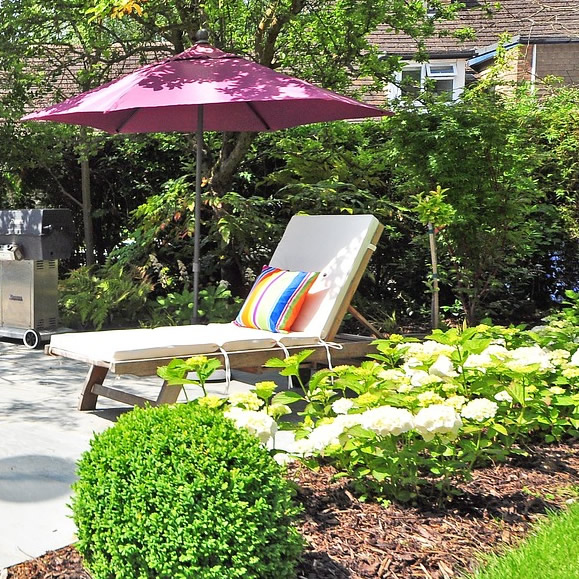
I'm often unsure of these new trending terms but apparently "Lemonading" essentially has its basis in the saying "If life gives you lemons, make lemonade". When it comes to gardening, this is really about taking a pragmatic approach, making the best of what you have and simplifying gardening through better choices rather than more work. With busy lives and unpredictable weather, gardeners are increasingly drawn to plants and systems that reduce ongoing maintenance while still delivering strong results.
Industry trend analysis consistently highlights demand for low-maintenance planting, long-flowering perennials, resilient shrubs and products that reduce watering and feeding requirements. The emphasis is firmly on enjoying the garden rather than constantly managing it.
Check out our 'Low Maintenance Collection' for plants that require less work throughout the year whilst offering year round interest that you can enjoy.
3. Using Technology & Data in the Garden
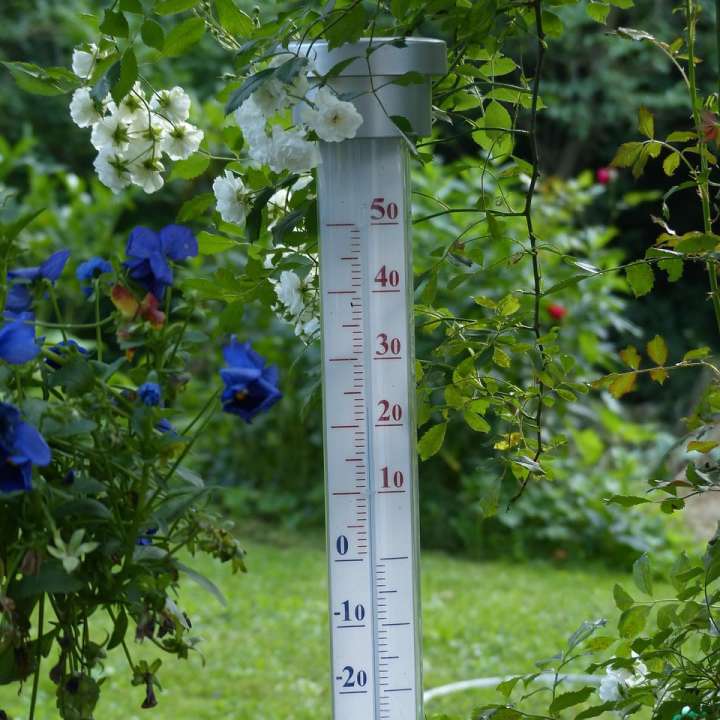
Technology continues to play a growing role in how we garden. From weather apps and moisture meters to smart irrigation systems, data-driven tools help gardeners respond more accurately to conditions in their own gardens.
The Royal Horticultural Society has highlighted the importance of smarter watering and improved environmental awareness in reducing unnecessary use of resources while maintaining plant health — an approach that is particularly relevant in increasingly variable weather conditions.
4. Botanical Bento
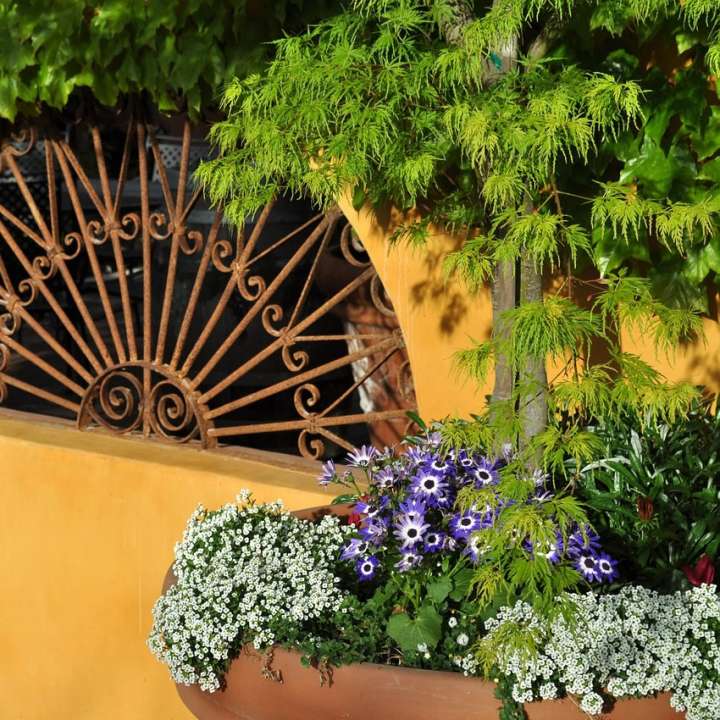
Botanical bento focuses on creating small but carefully composed planting displays. Containers become miniature gardens, where colour, texture and form are balanced deliberately rather than relying on single-plant arrangements.
This approach works especially well for patios, doorways and smaller outdoor spaces, and allows for easy seasonal updates by refreshing individual elements rather than replanting everything.
You can use a variety of ornamental pots and containers in various sizes to create colourful layered effects that can be moved around and interchanged throughout the season to various effect.
5. Kusumi Colours
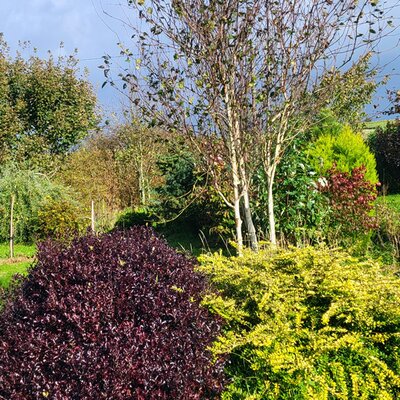
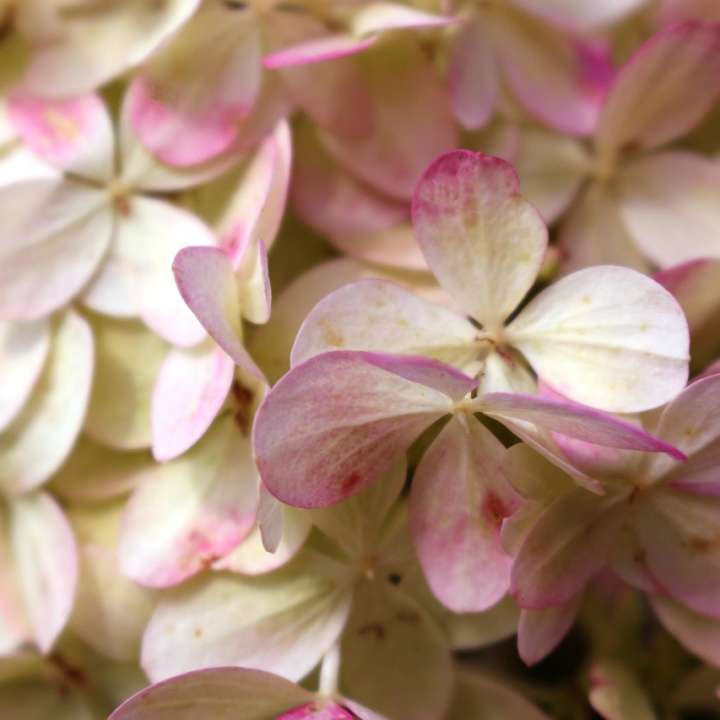
Rather than bold, high-contrast schemes, many gardeners are moving towards softer, more natural colour palettes. Muted greens, silvery foliage, dusky pinks and gentle blues create calm, cohesive spaces that feel timeless and easy to live with.
Garden and lifestyle trend forecasting, including insights shared at events such as Spring Fair, suggests this shift reflects a wider desire for gardens that promote wellbeing, longevity and a closer connection to nature.
Some plants you might want to look at to create this softer effect are ornamental cherry trees, some varieties of hydrangea and a wide range of perennial geraniums that come in pale pinks, blues and off white shades.
6. Personalised Gardens That Tell a Story
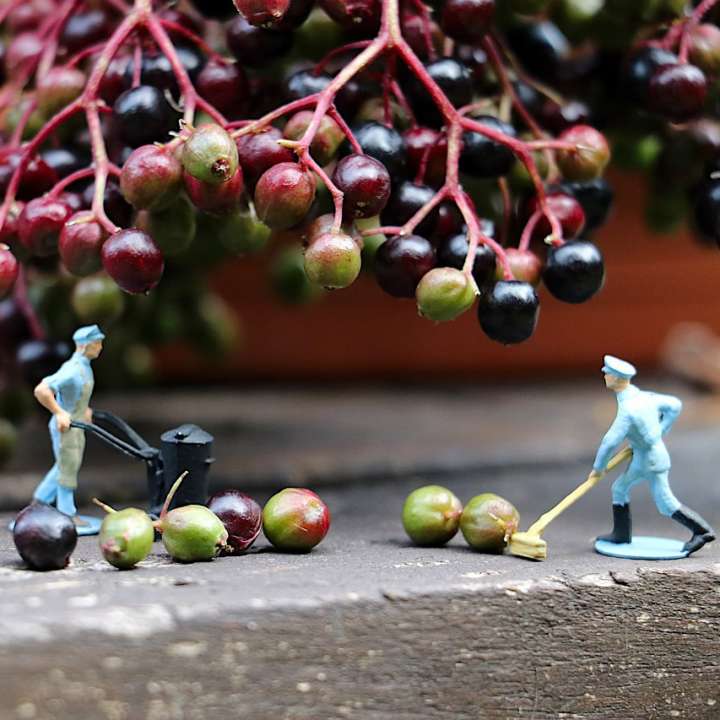
Gardens are becoming increasingly personal, reflecting individual tastes, memories and experiences. Rather than rigid design rules, people are combining plants with meaningful objects collected over time — from pots bought on holiday to stones gathered on local walks. You can even throw some humour in there and put a smile on visitors faces!
This trend encourages creativity and emotional connection, resulting in gardens that feel authentic, layered and deeply personal.
7. Plants That Move Indoors & Outdoors
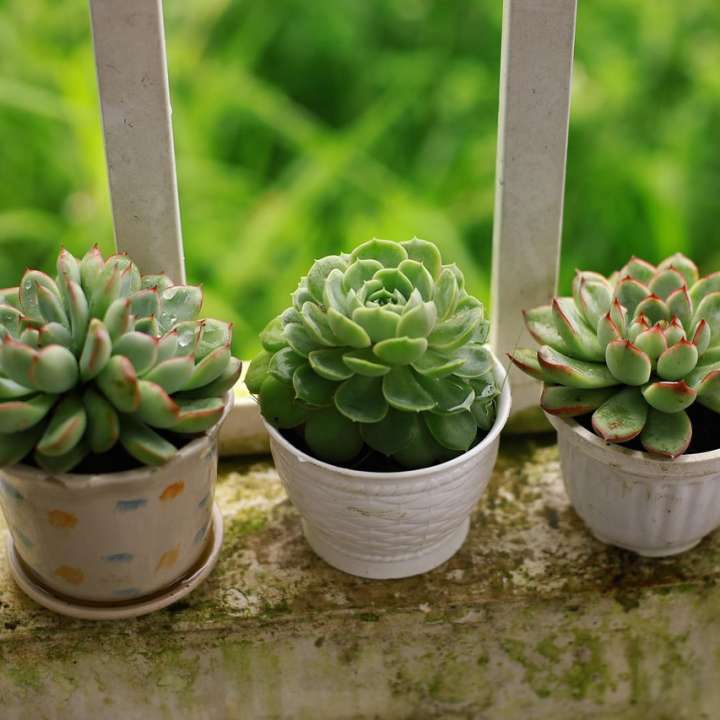
Flexibility is key in Irish gardens, and plants that can move indoors and outdoors with the seasons are increasingly popular. The RHS has noted a rise in gardeners growing tender or container plants outdoors during summer and bringing them inside for winter protection.
Sempervivums, pelargoniums, citrus, olives and even some houseplants adapt well to this approach, supported by lightweight containers and sheltered growing spaces.
8. Climate-Resilient Planting
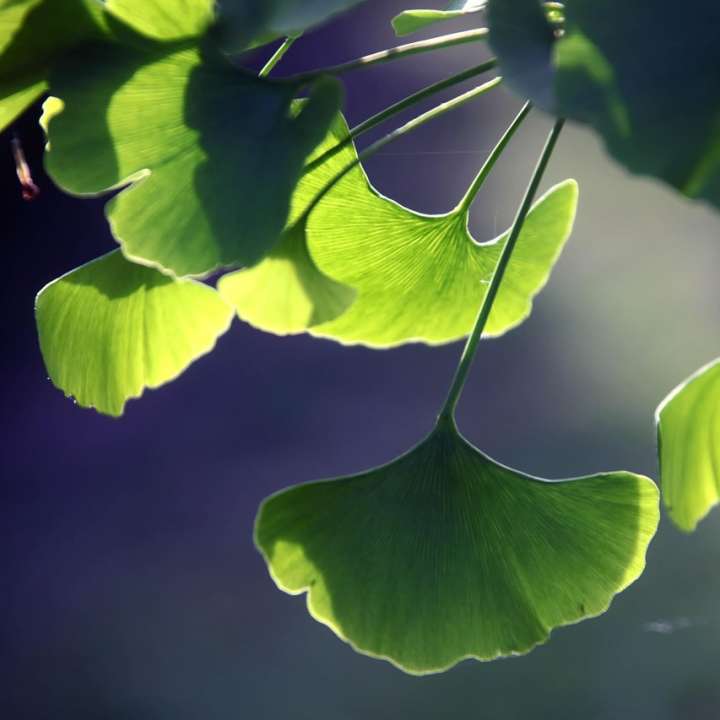
As weather patterns become less predictable, gardeners are placing greater emphasis on resilience. Choosing plants suited to local conditions, improving soil health and using mulches are all widely recommended strategies.
Guidance from horticultural organisations such as the RHS consistently reinforce the importance of planting the right plant in the right place as a foundation for long-term success.
9. Wildlife-First Gardening
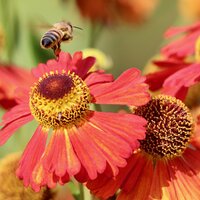
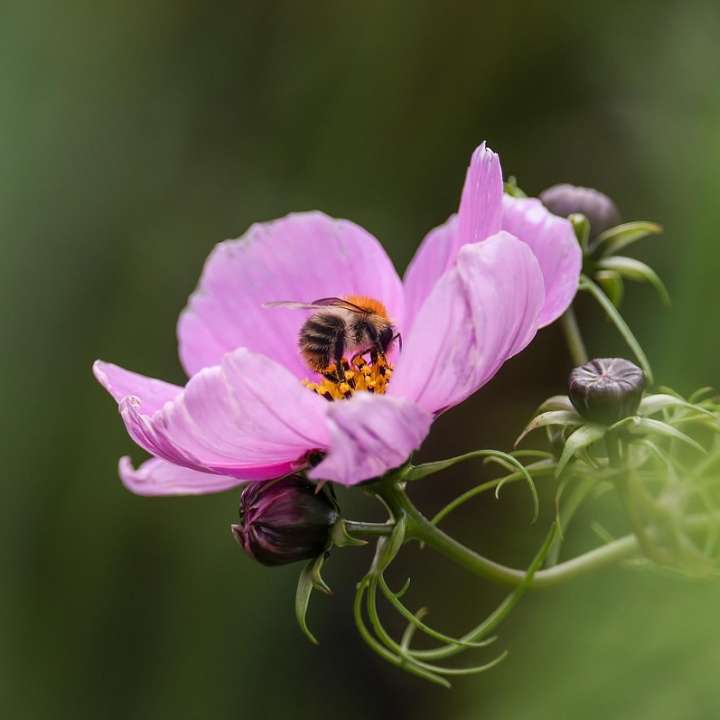
Supporting biodiversity continues to be a central theme in modern gardening. Pollinator-friendly planting, naturalistic layouts and year-round food and shelter for birds and insects are increasingly built into garden plans from the outset.
Even small gardens can contribute meaningfully through thoughtful plant choices and reduced chemical use.
Ardcarne Garden Centre has dedicated a whole section of our website to 'Plants for Pollinators' that can help you put together a planting scheme that will provide our beneficial insects valuable nectar throughout the four seasons. You can also look out for the 'RHS Plants for Pollinators' badge on our product pages:

10. Indoor & Outdoor Spaces That Flow Together
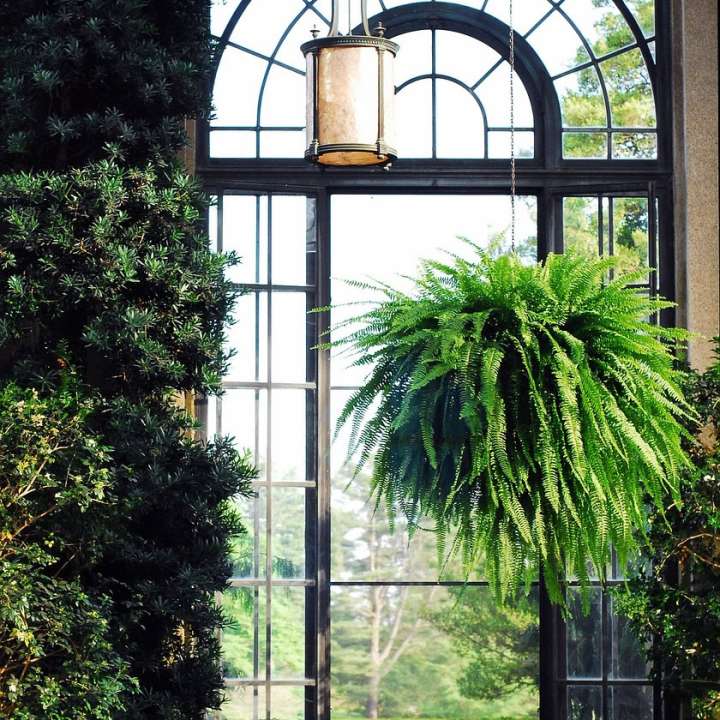
The boundary between indoor and outdoor living continues to blur. Houseplants, outdoor containers and garden spaces are designed to complement each other, creating a sense of continuity throughout the home.
This reflects a wider focus on wellbeing, with plants playing an increasingly important role in everyday living spaces all year round.
Final Thoughts
Not every trend will suit every garden, but each offers ideas that can be adapted to your own space, lifestyle and budget. We’ll be keeping a close eye on how these trends develop as the year unfolds.
As always, we’ll be working to bring you the latest plants, products and inspiration to help you make the most of your outdoor — and indoor — spaces. Do check in with us regularly for seasonal ideas and updates.