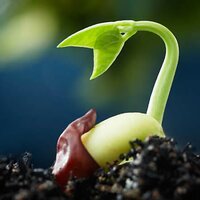

February often feels like a month caught between seasons. Winter is still very much in charge, but there are clear signs that spring is edging closer — longer days, early bulbs pushing through and gardeners itching to get back into action. While the weather can be unpredictable, there’s plenty that can be done now to prepare your garden for the busy months ahead.
Looking ahead to spring
A bit of well-timed work in February will put you in a great position for March and April. Focus on preparation, gentle pruning and early sowing — and take advantage of any mild, dry spells when they appear.
Ornamental Flowers, Trees & Shrubs
February is a key month for tidying and pruning ornamental plants before new growth really gets going.
Cut back ornamental grasses that were left standing for winter interest, taking care not to damage fresh shoots emerging at the base. Perennials such as asters, sedums and rudbeckia can also be cut back now if they weren’t tackled earlier.
Late-flowering shrubs like buddleja, hydrangea paniculata and roses can be pruned this month. Remove dead or damaged wood first, then shape plants to encourage strong, healthy growth and plenty of flowers later in the season.
Climbing roses and shrub roses benefit from a February prune, while wisteria can have its final winter trim if it wasn’t done earlier — cutting side shoots back to two or three buds.
Evergreen shrubs can be gently tidied, removing winter damage, but avoid heavy pruning until the risk of hard frost has passed.
If you have a greenhouse, polytunnel or conservatory you can also sow summer bedding and tender annuals, including cosmos, lobelia, dahlias, nasturtiums and snapdragons.
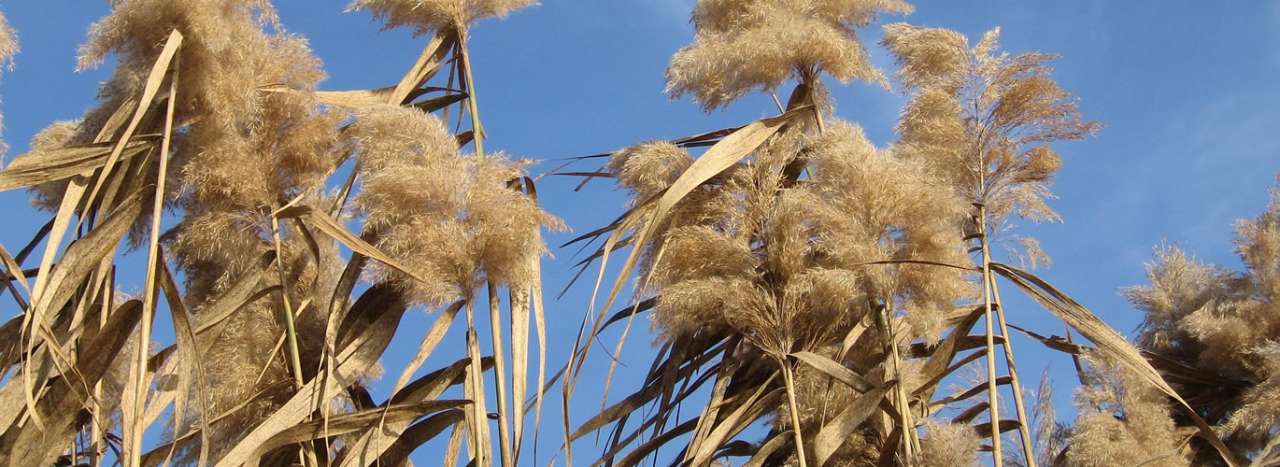
February is a good time to cut back ornamental grasses like miscanthus that were left over winter - just be careful not to damage fresh shoots emerging at the base - Image by LWS from Pixabay
Jobs for the 'Grow Your Own' enthusiasts
Groundwork
If conditions allow, start preparing vegetable beds by removing weeds and incorporating well-rotted manure or garden compost. Avoid working soil when it’s very wet, as this can cause compaction — patience pays off.
In polytunnels and greenhouses, clear out old crops and debris, wash down surfaces and pots, and refresh beds with compost. A clean start helps prevent pests and diseases later on. Beds can also be covered in black polythene to start warming the soil, which can give you an early start for the likes of early carrots.
For The Outdoor Veg Patch, Fruit Trees & Bushes
Broad beans can be sown outdoors in milder areas, ideally under cloches or fleece for protection. Early varieties of peas may also be sown towards the end of the month if soil conditions are suitable. Jerusalem artichokes and garlic can also go out at the end of the month if the weather permits.
Shallots, onion sets and garlic can be planted now in well-prepared soil, although, particularly here in the west of Ireland, these are probably best left until around mid-march but it's a good time to start sourcing your sets and bulbs in preparation whilst more varieties are still available.
All that said you should never look to plant or sow outside if the ground is too frosty or wet, however tempting it may be. Again, a little patience will pay off in the long run and save you wasting precious seeds, plants, bulbs and tubers.
Fruit trees and bushes are still dormant, making February a good time to plant bare-root apples, pears, currants and gooseberries. This is also your last chance to prune apple and pear trees before spring growth begins.
If you have rhubarb growing, this is also a good time to force a crown to get some early tender stems (see 'Grow Your Own A-Z - Rhubarb' for more details)
For Polytunnels & Greenhouses
Protected growing really comes into its own this month. Sow early carrots, beetroot, radish, turnips and oriental brassica salad leaves directly into tunnel beds. Turnips and radish are best sown successionally in small quantities. You can also start early mangetout peas. If you plan to grow some early potatoes in the tunnel/greenhouse then these can still be planted this month along with early strawberry plants as they become available. If you have the room, this is also the time to plant early spring garlic.
Seeds such as tomatoes, peppers, aubergines and chillies can be started off indoors or in a heated propagator, ready for transplanting later on. If you have a grow-light that these can be placed under once germinated, these can be started early in the month, otherwise we would suggest leaving until later in the month when you can capture more sunlight on a south-facing windowsill at which point seedlings are less likely to become too weak and leggy.
Herbs like basil, parsley and coriander can also be sown under cover for early harvests.
We are currently developing a 'Grow Your Own A-Z' with specific details on how to grow various fruit and vegetables in our Irish climate which we will be adding to throughout the year, so do check in as the growing season progresses.
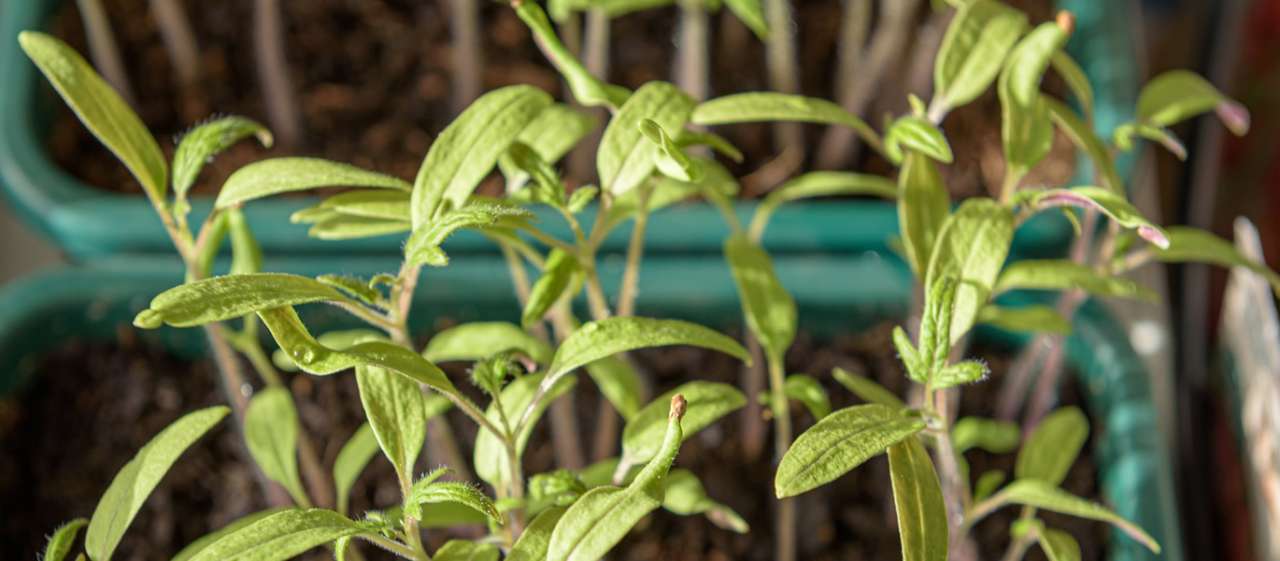
Tender fruiting vegetables like aubergines, peppers and tomatoes (above) can be started off in a heated propagator on February to get a head start on a long growing season. If you have a grow light these can be started off in early February (or even late January) but if not, and you are relying more on a sunny windowsill for light, these are best left until the end of February so as to prevent plants becoming too leggy and weak. Image by Andreas Göllner from Pixabay
Indoor Plants
Houseplants begin to stir into growth as light levels improve. Resume gentle feeding towards the end of the month and check if any plants are becoming pot-bound.
Dust leaves to maximise light absorption and keep an eye out for pests such as spider mite and aphids, which thrive in warm, dry indoor conditions.
Rotate plants regularly so they grow evenly and don’t lean towards the light.
General Maintenance
Check fences, trellises and garden structures for winter damage and carry out repairs before plants start growing in earnest.
Clean and sharpen tools, organise seed packets and labels, and make a rough plan of what you’d like to grow this year — a little organisation now saves time later.
Continue feeding birds and providing fresh water, especially during cold snaps.
Final Thoughts
February is all about preparation and anticipation. While it may still feel like winter, every small job completed now helps your garden transition smoothly into spring. Take advantage of brighter days when you can, and enjoy those first real signs of the growing season ahead.
Get ready for the growing season
From seeds and compost to tools, fruit trees and polytunnel supplies, we have everything you need to get started this February. Visit us in-store or browse online at your convenience.