
A healthy lawn doesn't happen by accident. While grass is remarkably resilient, a little seasonal care can make the difference between a patchy, moss-filled lawn and a thick green carpet that looks good all year round. The good news is that lawn care doesn't need to be complicated. By tackling a few key jobs each season, you can keep your lawn looking its best with surprisingly little effort.
As we're now moving well into the mowing season, we'll start with summer and work our way around the gardening calendar.
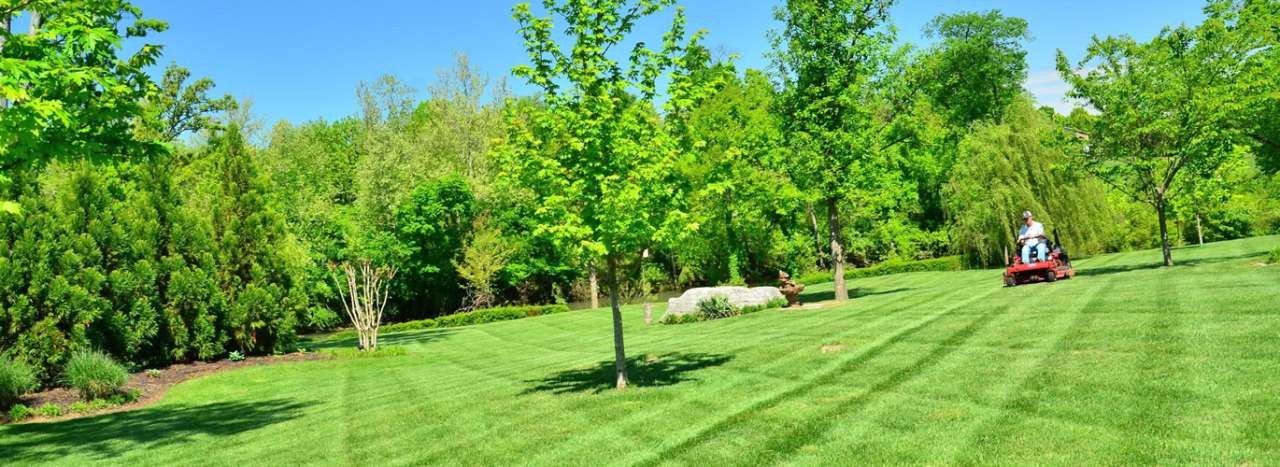
Summer mowing with a 'ride-on' - Image by Bryan Clayton from Pixabay
Summer Lawn Care
Summer is when lawns are growing most actively and generally looking their best. Regular mowing is the key job during this period aim for weekly in the summer and fortnightly in the cooler shoulder months of spring and autumn.
- Mow little and often rather than removing large amounts at once - aim to mow once per week during the summer months, easing off to fortnightly during the warmer shoulder months of spring and autumn.
- Never remove more than one-third of the grass height in a single cut - adjust your blade accordingly.
- Raise mower blades slightly during hot or dry weather to prevent scorching.
- Keep lawn edges trimmed for a neat finish and to prevent creep of grass into your borders.
- Water newly seeded or newly laid lawns if conditions become very dry.
Many established lawns will survive short dry spells without watering, although they may temporarily lose some colour.
Common Summer Problems
- Brown patches: Usually caused by drought stress, pet damage or scalping from cutting too short.
- Uneven colour: Often indicates areas drying out at different rates.
- Weeds appearing: Warm weather encourages rapid weed growth, particularly where the grass is thin.
Autumn Lawn Care
Autumn is arguably the most important season for lawn maintenance. The soil is still warm, moisture levels increase and grass roots remain active.
This makes it the perfect time to repair damage that has built up over summer.
- Scarify to remove thatch and moss.
- Aerate compacted lawns using a garden fork or lawn aerator.
- Apply autumn lawn feed.
- Overseed thin or bare patches.
- Keep lawns clear of fallen leaves.
September and October are often considered the best months of the year for lawn renovation projects.
Common Autumn Problems
- Moss: Usually a sign of poor drainage, shade or soil compaction.
- Waterlogging: Can indicate compacted ground requiring aeration.
- Patchy growth: Often improves with overseeding while soil temperatures remain mild.
Winter Lawn Care
Grass growth slows significantly during winter, meaning there is generally less work to do.
The focus shifts towards protecting the lawn rather than actively encouraging growth.
- Avoid walking on frozen grass where possible.
- Keep fallen leaves cleared away.
- Ensure drainage channels remain clear.
- Avoid using heavy equipment on waterlogged lawns.
- Carry out occasional mowing only if conditions remain mild.
One of the biggest causes of winter lawn damage is simply excessive foot traffic on wet ground.
Common Winter Problems
- Waterlogging: Common in heavy clay soils.
- Moss growth: Thrives during cool, damp conditions.
- Worn pathways: Caused by repeated foot traffic across soft ground.
Spring Lawn Care
As temperatures begin to rise, lawns quickly return to active growth.
Spring is the time to tidy up winter damage and prepare the lawn for the growing season ahead.
- Resume regular mowing as growth increases.
- Apply a spring or summer lawn feed.
- Repair worn patches.
- Treat moss if necessary.
- Edge borders and pathways for a clean finish.
If you intend to sow a new lawn, spring provides excellent conditions once soil temperatures begin to warm.
Common Spring Problems
- Moss remaining after winter: Often benefits from scarifying.
- Bare patches: Easily repaired with grass seed.
- Pale grass: Usually responds well to feeding.
Seasonal Lawn Care at a Glance
| Season | Main Jobs |
|---|---|
| Summer | Regular mowing, edging, watering new lawns |
| Autumn | Scarifying, aerating, feeding, overseeding |
| Winter | Leaf clearing, protecting from damage, drainage checks |
| Spring | Feeding, mowing, patch repairs and moss control |
Five Lawn Care Mistakes to Avoid
- Cutting grass too short.
- Mowing wet grass whenever possible.
- Ignoring moss and compaction problems.
- Applying the wrong seasonal fertiliser.
- Allowing fallen leaves to sit on the lawn for long periods.
Most lawn problems develop gradually over time, so a little regular maintenance is often far easier than trying to fix major issues later.
Final Thoughts
A beautiful lawn isn't about perfection. Even the best lawns will develop the occasional weed, moss patch or worn area. The secret is simply staying on top of seasonal maintenance and addressing small issues before they become larger problems.
By adjusting your lawn care routine throughout the year, you'll encourage stronger roots, healthier growth and a lawn that remains greener and more resilient in every season.
Everything you need for a healthier lawn
From grass seed and lawn feeds to spreaders, lawn care tools and expert advice, our team is here to help you achieve a lawn you'll be proud of.