
Give Your Plants the Water They Need – Without Wasting a Drop
Water is one of the most valuable resources in the garden, particularly during prolonged dry spells. Whether your area is affected by a hosepipe ban or you're simply looking to garden more sustainably, watering efficiently is about giving plants what they need, where they need it, and at the right time.
With a few simple techniques, you can help your plants stay healthy while using less water overall.
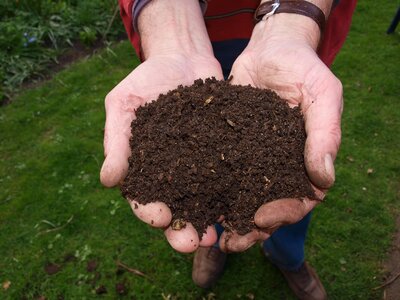
Know Your Soil
Understanding your soil is one of the best ways to water more effectively.
| Soil Type | Watering Advice |
|---|---|
| Sandy | Drains quickly, so water more frequently in smaller amounts. |
| Loam | Retains moisture well. Water deeply but less often. |
| Clay | Holds water for much longer. Allow the surface to dry slightly before watering again. |
Before reaching for the watering can, check the soil a few centimetres below the surface. If it's still cool and damp, your plants may not need watering yet, especially if they are established plants.
Water Deeply, Not Little and Often
Established plants benefit from a thorough soak rather than frequent light watering.
Deep watering encourages roots to grow down into the soil where moisture lasts longer, making plants more resilient during dry weather.
Newly planted trees, shrubs, bedding plants and vegetables will still need more regular attention until their roots become established.
Water the Soil, Not the Leaves
Whenever possible, apply water directly around the base of the plant rather than spraying the foliage.
- More water reaches the roots where it's needed.
- Less water is lost through evaporation.
- Wet leaves can encourage fungal diseases on some plants.
- The soil is less likely to be disturbed than with a high-pressure spray.
Choose the Right Time of Day
The best times to water are early in the morning or during the evening when temperatures are cooler.
Avoid watering in the heat of the day, as much of the moisture can evaporate before it has a chance to soak into the soil.
A layer of mulch around trees, shrubs and borders can significantly reduce evaporation from the soil, helping moisture stay where your plants need it for longer.
Do You Really Need a Hose?
Although a hosepipe may seem like the quickest option, it's not always the most effective.
A broad spray can encourage a 'scattergun' approach to watering, often wetting paths, paving and foliage rather than delivering water precisely where it's needed. High-pressure jets can also disturb soil around newly planted specimens and delicate seedlings.
A watering can, ideally fitted with a rose, allows you to apply water accurately and often uses far less than you might think.
If a hosepipe ban is introduced in your area, these habits become even more valuable and can help you keep your garden thriving while staying within any restrictions.
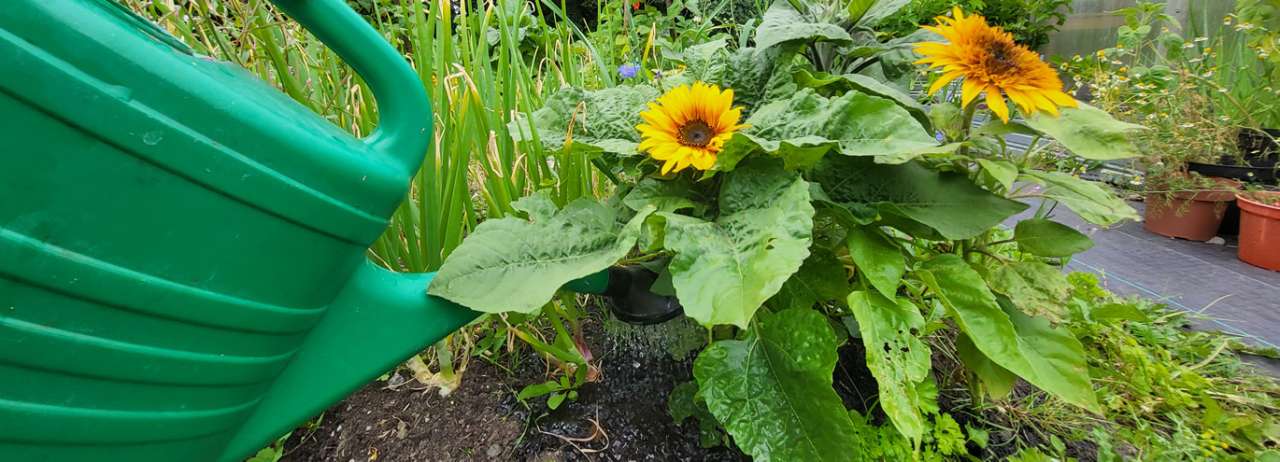
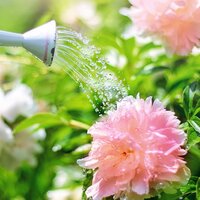
Watering at the base of a plant with a watering is much more targeted and gentle than a hose - Photo taken by Richard (AGC), 20/07/2026
Collect and Reuse Water
Rainwater is one of the best sources of water for the garden, so it's well worth collecting whenever possible. Lets face it, rainwater is something were not usually short of for most of the year, and so you can have plenty collected to see you through even relatively long dry spells.
Installing a water butt beneath a shed, greenhouse or garage downpipe allows you to store water during our wet weather and can be well worth the investment if it means keeping your precious plants alive. It's also worth noting that there are many plants, particularly those that prefer acid soil conditions, that will do much better when watered with rainwater, especially if you live in a 'hard water' area where the tap water can be more alkaline. Similarly many houseplants will perform much better when watered with rainwater.
Grey water can also be used occasionally on ornamental plants.
| Suitable Grey Water | Avoid Using |
|---|---|
| Water from rinsing vegetables | Water containing bleach or disinfectants |
| Dish water containing a small amount of washing-up liquid | Water containing harsh cleaning chemicals |
| Captured washing machine water (using mild detergents) | Grey water on edible crops |
Grey water should be applied directly to the soil rather than onto foliage, and it's good practice to give plants a thorough watering with clean water every few weeks to help prevent any build-up of residues in the soil.
If you only have time to water one part of the garden, concentrate on newly planted trees and shrubs, vegetables, containers and hanging baskets. Established plants growing in borders are often far more drought-tolerant than they appear and will usually recover once rainfall returns.
Quick Summer Watering Checklist
- ✔ Water deeply rather than little and often.
- ✔ Aim for the base of the plant.
- ✔ Water early morning or evening.
- ✔ Mulch to lock moisture into the soil.
- ✔ Collect rainwater whenever possible.
- ✔ Use grey water sensibly and only on ornamental plants.
Remember
- Knowing your soil helps you avoid both overwatering and underwatering.
- Deep, targeted watering is usually far more effective than frequent light watering.
- Rainwater is best, grey water can be a useful backup, and every drop counts during dry weather.
Need a watering can?
From watering cans and water butts to mulches, hoses, irrigation products and expert advice, we're here to help you make every drop count this summer.