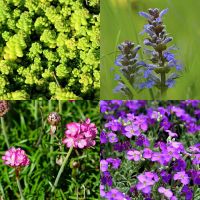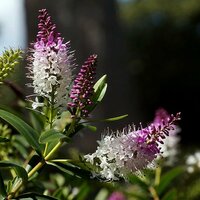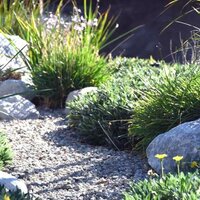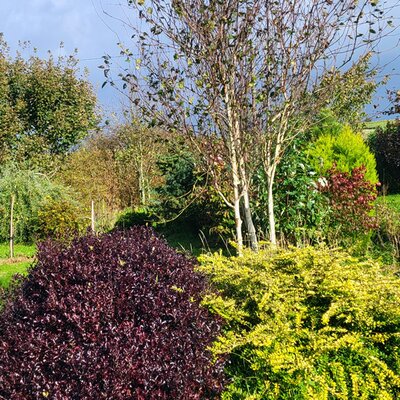

Long, dry spells were once something many Irish gardeners rarely had to consider. Today, however, periods of unusually warm, dry weather are becoming increasingly common, often accompanied by restrictions on water use and hosepipe bans. Naturally, many gardeners begin searching for drought-resistant plants, but the answers they find aren't always as helpful as they first appear.
Browse any gardening magazine or watch coverage of prestigious flower shows such as Chelsea and you'll see spectacular displays inspired by the landscapes of South Africa, Australia and the Mediterranean. Silver foliage, architectural succulents and gravel gardens certainly make an impression and many of these plants genuinely thrive in hot, dry conditions.
However, it's worth remembering that a show garden has a very different purpose to your own. It is designed to look its absolute best for a matter of days or weeks. Your garden, by contrast, needs to continue looking beautiful not just through a warm July, but through the damp autumns, mild winters and unpredictable springs that make gardening in Ireland both rewarding and challenging.
Rather than asking "Which plants survive drought?", perhaps the better question is:
Which plants will still be thriving in your garden five years from now?
That small shift in thinking changes everything. Instead of chasing plants that simply tolerate hot weather, we begin choosing plants that can cope with both our increasingly dry summers and our characteristically damp winters.
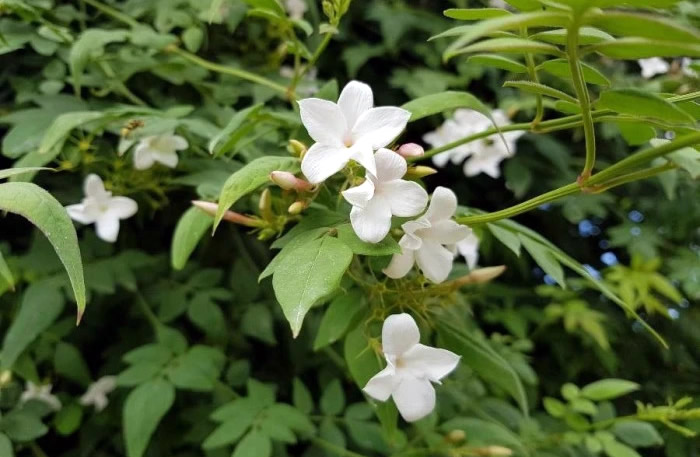
If you're looking for a drought tolerant climber, Jasminum officinale is a good bet for the Irish garden as long as you give it a sheltered position (Photo by Sylviane Proux (CC BY-SA 4.0))
Why Drought Gardening Means Something Different in Ireland
When gardeners hear the phrase "drought-resistant planting", it's easy to picture sun-baked Mediterranean hillsides or gravel gardens filled with exotic species from warmer parts of the world. Whilst many of these plants are exceptionally well adapted to prolonged dry conditions, their greatest challenge in Ireland is often not surviving summer at all.
Instead, it is surviving winter.
Many drought-loving plants have evolved in climates where rainfall is concentrated into short periods followed by long spells of warmth and sunshine. Even when winter temperatures are cool, their roots rarely spend months sitting in cold, saturated ground. In much of Ireland—particularly in the west—we experience something quite different. Heavy soils, frequent rainfall and prolonged periods of winter moisture can cause roots to rot long before frost itself becomes an issue.
This doesn't mean we shouldn't grow these wonderful plants. Far from it. It simply means we need to understand their needs and, where necessary, adapt how and where we grow them.
Garden for your climate, not somebody else's.
Plants don't read gardening books, nor do they know whether they're growing in a Chelsea show garden or a garden in County Roscommon. They simply respond to the conditions around them. The closer we match those conditions to what the plant naturally prefers, the healthier and longer-lived it is likely to become.
Understanding the Difference Between Drought Resistant and Drought Tolerant
These two phrases are often used interchangeably, but they don't necessarily mean the same thing.
Some plants are genuinely drought resistant. They have evolved to flourish in hot, dry conditions with minimal rainfall. Many possess silver or hairy leaves that reflect sunlight, deep tap roots that seek out moisture far below the surface, or fleshy foliage capable of storing water for extended periods.
Others are better described as drought tolerant. They may not naturally come from arid climates, but once established they are remarkably capable of coping with occasional periods of dry weather whilst also proving much more forgiving of the wetter conditions that Irish winters often bring.
For many gardens throughout Ireland, it is this second group that offers the greatest long-term reliability.
Understanding that distinction helps us make better planting decisions. Rather than choosing plants simply because they're labelled as drought resistant, we begin selecting those that are resilient enough to cope with the complete range of weather our gardens experience throughout the year.
A Resilient Garden Doesn't Have to Be Perfect
Every garden experiences difficult seasons. A truly resilient garden isn't one where every plant looks immaculate throughout every heatwave or wet winter—it is one where the planting recovers quickly once conditions improve. Building resilience rather than perfection often leads to healthier gardens that require less intervention over time.
Why "Once Established" Matters
Almost every description of a drought-resistant plant includes the phrase "once established", yet surprisingly few explain what this actually means.
A newly planted perennial, shrub or tree is still almost entirely dependent upon the small volume of compost and roots contained within its nursery pot. Until those roots begin exploring the surrounding soil, the plant has very limited access to moisture. Even species renowned for surviving prolonged drought therefore need careful watering during their first growing season.
Over time, those roots gradually spread deeper and wider through the soil, accessing reserves of moisture that remain unavailable to newly planted specimens. It is this extensive root system—not simply the species itself—that allows established plants to tolerate dry conditions far more successfully.
This is why two identical plants growing side by side can behave very differently. A specimen that has been in the ground for five years may scarcely notice a fortnight without rain, whilst another planted only a few weeks earlier may quickly begin to wilt.
The first year after planting is therefore an investment. Watering thoroughly during prolonged dry spells encourages strong root development, giving plants the best possible chance of becoming genuinely drought tolerant in the years ahead.
Less Water Doesn't Mean No Water
"Drought resistant" should never be interpreted as "never needs watering." During prolonged periods of hot, dry weather almost every garden plant will appreciate some additional moisture. The difference is that drought-resistant plants generally recover more quickly and require far less intervention once fully established.
As a general rule, watering deeply but less frequently encourages roots to grow downwards into cooler soil, whilst little-and-often watering tends to keep roots close to the surface where the soil dries out much more rapidly.
For more tips on how to water wisely over the summer read our Gardening Quick Guide
True Drought Specialists
The following plants genuinely excel in hot, dry conditions and are among the finest choices for gravel gardens, sunny borders and Mediterranean-style planting. However, in many Irish gardens they reward a little extra thought when it comes to drainage and winter care.
In heavy or poorly drained soils, many of these plants perform better when planted into raised beds, on gentle slopes, or even in containers where drainage can be more easily controlled. Rather than avoiding them altogether, it's simply a matter of giving them conditions that more closely resemble those in which they naturally evolved.
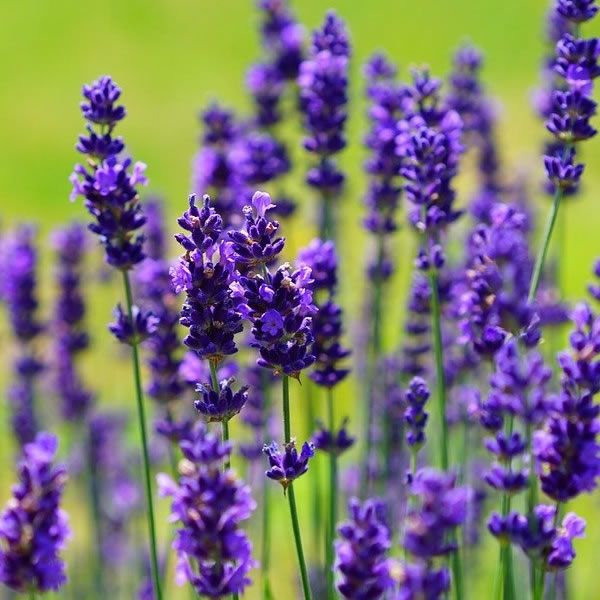
Lavender (Lavandula)
Lavender is perhaps the plant most commonly associated with drought-tolerant gardening and for good reason. Its narrow, aromatic foliage is naturally adapted to reduce water loss whilst its deep root system allows established plants to cope remarkably well with prolonged dry weather.
However, many failures in Irish gardens occur not during summer but during winter. Lavender dislikes sitting in cold, waterlogged soil for prolonged periods and is often lost through root rot rather than frost damage. Heavy clay soils can therefore prove more challenging than a dry summer.
Planting lavender in full sun, improving drainage with grit where necessary, or growing it in containers or raised beds can dramatically improve its longevity. Once established, it requires surprisingly little attention beyond an annual trim after flowering.
For a more detailed guide, see our article on Growing and Caring for Lavender.
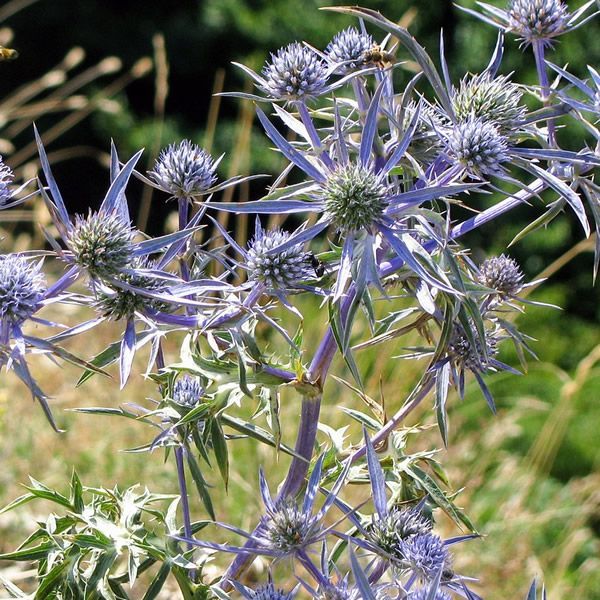
Eryngiums (Sea Holly)
With their metallic blue flowerheads and architectural appearance, eryngiums are among the finest plants for hot, sunny borders. Their deep tap roots enable them to seek moisture well below the soil surface, making them exceptionally resilient during dry spells once established.
Like many drought specialists, they strongly dislike being moved once mature and perform best when planted directly into their permanent position.
Free-draining soil is essential. In heavier Irish soils, incorporating coarse grit or planting on a slight mound often provides enough additional drainage to ensure healthy growth for many years.
Their nectar-rich flowers are also highly attractive to bees and other pollinating insects throughout summer.
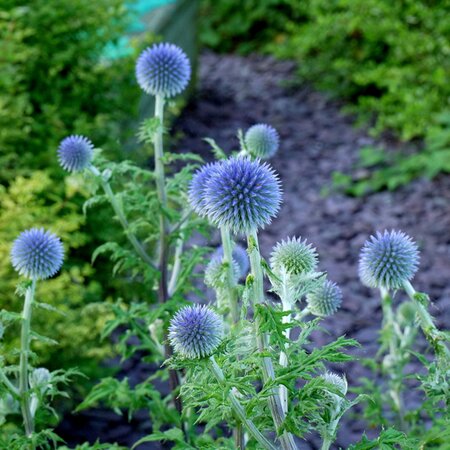
Echinops (Globe Thistle)
Echinops combines bold architectural form with exceptional drought tolerance. Its deeply divided foliage and globe-shaped blue flowerheads provide striking contrast amongst softer planting schemes whilst continuing to flower during periods when many other perennials begin to struggle.
Although tolerant of a wide range of soils, echinops performs best in full sun with reasonably free drainage. Rich, heavily fertilised soils often encourage lush growth at the expense of sturdy flowering stems.
The seedheads remain attractive well into autumn, extending the season of interest whilst also providing valuable food for birds if left uncut.
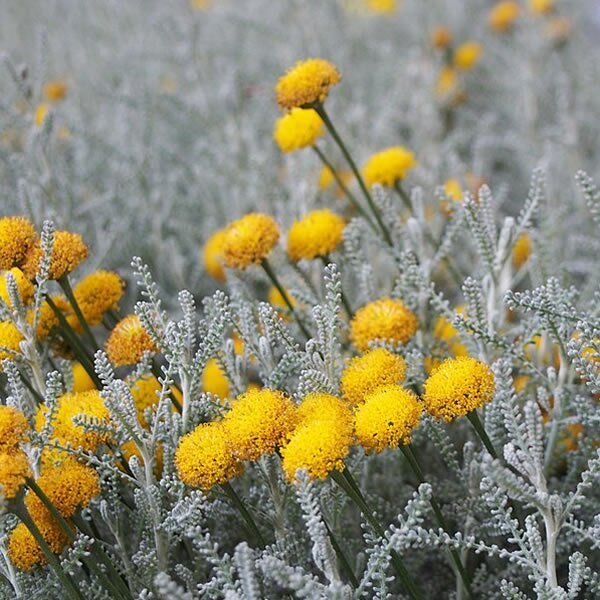
Santolina (Cotton Lavender)
Although less widely planted than lavender, Santolina deserves far greater recognition. Its finely divided silver foliage remains attractive for much of the year and is wonderfully suited to gravel gardens, edging paths or softening the fronts of sunny borders.
The compact evergreen foliage naturally reflects sunlight and conserves moisture, making it remarkably well adapted to dry conditions.
As with lavender, the greatest challenge is usually excessive winter moisture rather than drought. Light pruning after flowering helps maintain a neat, compact shape whilst preventing plants from becoming woody with age.
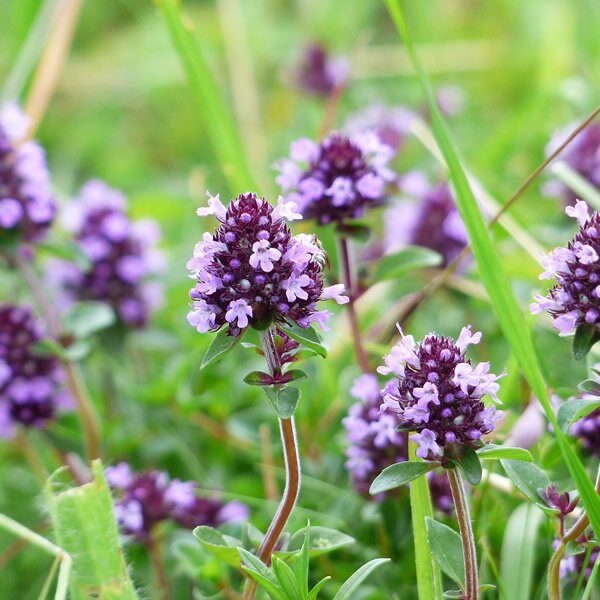
Thyme (Thymus)
Whether grown as an ornamental edging plant or as a culinary herb, thyme is one of the most reliable drought-resistant plants available to Irish gardeners. Its tiny aromatic leaves minimise water loss whilst flowering plants become magnets for bees and other beneficial insects throughout summer.
Given full sun and excellent drainage, thyme asks for remarkably little in return. In heavier soils it often performs better in raised beds, gravel gardens or containers where excess winter moisture is less likely to accumulate around the roots.
Its low-growing habit also makes thyme an excellent living mulch, helping shade the soil surface and reduce moisture loss around neighbouring plants.
Drainage is Usually the Key to Success
If there's one lesson these plants teach us, it is that dry summers rarely cause more damage than wet winters. Many gardeners lose drought-loving plants not because they couldn't survive July, but because they couldn't survive January.
Fortunately, the solution is often surprisingly simple. Improving drainage, planting on gentle mounds, incorporating gravel, using raised beds or choosing containers can transform how these plants perform without requiring major changes to the garden itself.
Rather than trying to change your entire garden, sometimes it's enough to create the right conditions in one carefully chosen area.
Of course, not every gardener wants to create Mediterranean-style borders or install raised gravel beds. Fortunately, there is another group of plants that often proves even more valuable in Irish gardens—species that tolerate surprisingly dry summers whilst continuing to cope admirably with the wetter winters that remain a defining feature of our climate.
In the next section we'll look at these dependable all-round performers and why, for many Irish gardens, they may offer the best balance between resilience, longevity and ease of maintenance.
Sometimes the Best Solution Isn't a Different Plant
If your favourite plant struggles during particularly wet winters or prolonged summer drought, replacing it isn't always the answer. Sometimes simply changing where or how it's grown—perhaps in a raised bed or container—can make all the difference.
The Best of Both Worlds
Not every gardener wants to build a gravel garden or grow plants that require particularly free-draining soils throughout the winter. Fortunately, there is another group of plants that deserves just as much recognition.
These may not originate from the world's driest landscapes, but they possess an adaptability that often makes them better suited to Irish gardens. Once established, they cope remarkably well with periods of summer drought whilst also tolerating the wetter winters that continue to define much of our climate.
Rather than specialising in one extreme, these plants thrive because of their flexibility. For many gardeners, that makes them some of the most dependable long-term performers available.
Resilience Often Comes from Adaptability
Plants that have evolved to survive deserts can sometimes struggle with Irish winters. Conversely, many familiar garden perennials are remarkably adaptable, coping with both occasional drought and prolonged winter rainfall. In many gardens, it is this adaptability—not extreme drought resistance—that proves the greatest strength.
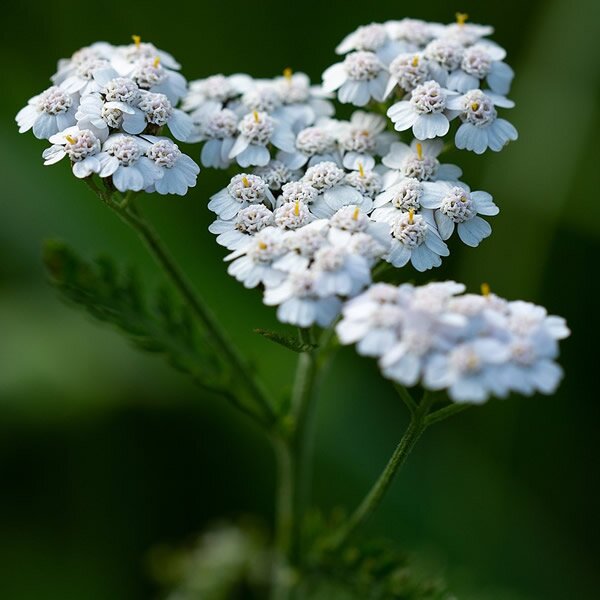
Achillea (Yarrow)
Few perennials demonstrate this balance better than Achillea. Once established, its extensive root system allows it to tolerate extended dry spells remarkably well, yet modern garden cultivars are generally far more forgiving of winter moisture than many classic Mediterranean plants.
Given full sun and reasonably free-draining soil, Achillea will often flower continuously for weeks whilst attracting a remarkable diversity of pollinating insects. It asks for little in return beyond avoiding excessively rich soils that encourage soft, floppy growth.
If you'd like to learn more about growing these versatile plants, take a look at our guide to Achillea – Why Less Is Often More.
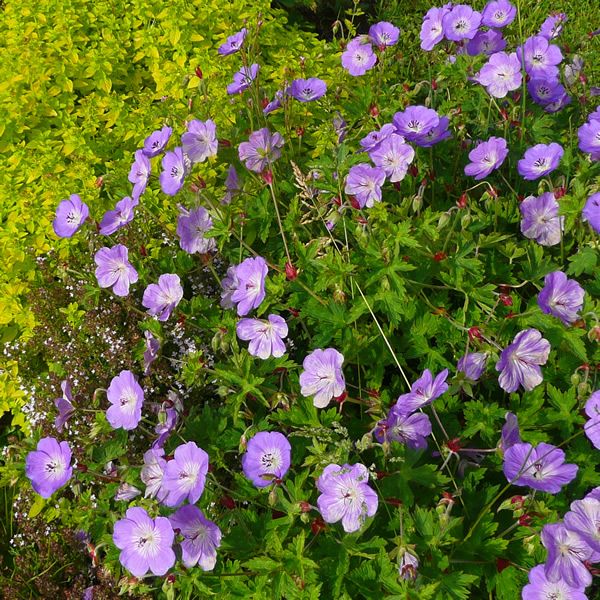
Hardy Geraniums (Cranesbill)
Hardy geraniums may not immediately spring to mind when discussing drought tolerance, but mature plants are surprisingly resilient once established. Their dense mounds of foliage naturally shade the surrounding soil, helping reduce evaporation whilst suppressing weeds.
Varieties such as Geranium 'Rozanne' continue flowering for months with surprisingly little intervention and recover quickly following periods of dry weather.
Unlike many drought specialists, hardy geraniums are equally at home in the cooler, damper conditions of an Irish autumn, making them valuable all-round garden performers.
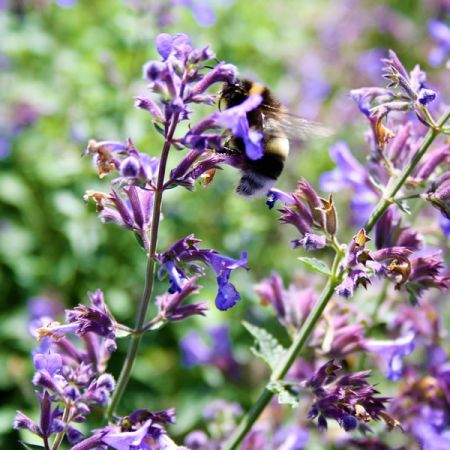
Nepeta (Catmint)
Few plants work harder in a sunny border than Nepeta. Its aromatic grey-green foliage naturally resists water loss whilst masses of blue flowers provide months of colour and nectar for bees and other beneficial insects.
Once established, Nepeta copes admirably with periods of dry weather and responds particularly well to being cut back after flowering, often rewarding gardeners with a second flush of blooms later in the season.
Its relaxed habit also makes it an excellent companion for roses, ornamental grasses and many prairie-style plantings.

Sedum (Hylotelephium)
With their fleshy leaves storing valuable reserves of moisture, Sedums are naturally equipped to cope with prolonged dry periods. Unlike many succulents, however, they are perfectly hardy in Irish gardens and continue providing colour long after many summer perennials have faded.
Their broad flowerheads become magnets for late-season bees and butterflies whilst the seedheads continue providing winter interest well into the colder months.
Free-draining soil remains beneficial, but established plants generally prove remarkably forgiving of the changing weather conditions typical of Ireland.
For more on sedums, read Brendan's tips
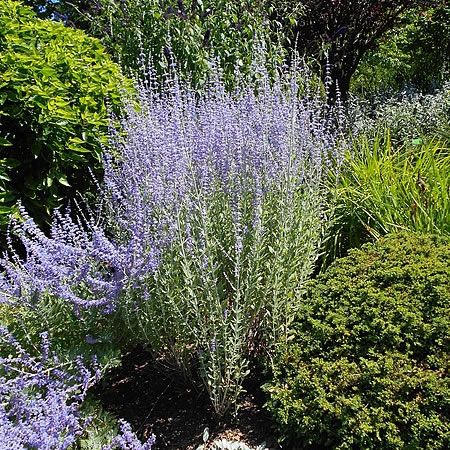
Perovskia (Russian Sage)
Perovskia sits somewhere between the two groups we've explored. It possesses many of the drought-resistant qualities associated with Mediterranean planting, yet once established it often proves more resilient than gardeners expect, provided it enjoys full sun and good drainage.
Its silvery foliage and clouds of lavender-blue flowers bring movement, colour and contrast to late summer borders whilst requiring remarkably little maintenance.
In heavier Irish soils it often benefits from being planted on a gentle mound or within a raised bed, helping winter moisture drain away from the crown.
Sometimes the Best Solution Isn't a Different Plant
If a favourite plant struggles during particularly wet winters or prolonged summer drought, replacing it isn't always the answer. Sometimes simply changing where or how it is grown can make all the difference.
Improving drainage, planting into a raised bed or growing certain specimens in containers often allows gardeners to continue enjoying plants they might otherwise assume unsuitable for Irish conditions.
As we've explored in our recent article on Climate-Resilient Container Gardening, adapting the environment is often easier—and more rewarding—than replacing the plant itself.
Designing a Resilient Garden
One of the biggest misconceptions surrounding drought-resistant gardening is that every border needs to be redesigned around gravel, succulents and Mediterranean shrubs. In reality, resilience often comes from thoughtful planting rather than dramatic change.
By combining reliable structural shrubs with adaptable herbaceous perennials and reserving the driest, sunniest spots for true drought specialists, you can create borders that remain attractive through changing seasons whilst requiring less intervention over time.
It is also worth considering how different parts of your garden behave. South-facing walls, gravel paths and sheltered courtyards often create naturally warmer, drier microclimates, whilst lower areas may retain considerably more moisture. Matching plants to these subtle differences usually produces better results than trying to make every part of the garden behave the same way.
Container Growing for Climate Resilience
One of the easiest ways to grow a wider range of drought-resistant plants in Irish gardens is by making greater use of containers. Whilst pots are often associated with patios and balconies, they can be equally effective when thoughtfully incorporated into borders and planting schemes.
Containers allow gardeners to tailor the growing conditions to suit individual plants. A gritty, free-draining compost can help Mediterranean species such as lavender or thyme survive wetter winters, whilst the containers themselves can be moved into more sheltered positions during prolonged periods of heavy rain if necessary.
This approach also offers greater flexibility throughout the year. Containers can be repositioned to highlight seasonal displays, moved to areas where they are most appreciated, or temporarily replaced with other specimens as the garden changes through the seasons.
Nor does container gardening need to become expensive. Decorative pots certainly make attractive focal points, but many perfectly healthy plants can be grown in simple recycled nursery containers hidden amongst surrounding planting. Sometimes it's the plant—not the pot—that deserves to take centre stage.
Don't Forget the Soil
Choosing the right compost or soil mix can be just as important as choosing the right plant. Growing drought-loving species in containers allows you to improve drainage far more easily, whilst also making it possible to cultivate acid-loving plants such as blue hydrangeas or showy azaleas in gardens where naturally alkaline soils might otherwise prevent them from thriving.
Gardening for Tomorrow's Weather
No one can predict exactly what each gardening season will bring. One summer may be exceptionally wet, the next unusually dry. Winters vary from year to year, and sudden changes in weather have become something every gardener is learning to work with.
Rather than trying to predict every season, it often makes more sense to create gardens that are prepared for a little of everything.
That doesn't mean abandoning favourite plants or replacing every border with gravel and succulents. Instead, it means understanding how different plants respond to different conditions, improving the places where they grow, and selecting species that match the conditions your own garden naturally provides.
The most resilient gardens aren't necessarily those filled with the toughest plants. They are the gardens where each plant has been chosen because it genuinely suits the conditions in which it is growing.
A Garden That Learns With You
Every garden changes over time. Trees mature, soils improve, weather patterns fluctuate and gardeners themselves gain experience. The most rewarding gardens are rarely those that remain exactly the same year after year—they are those that continue adapting alongside the people who care for them.
Perhaps that's the greatest lesson drought-resistant gardening has to offer. Rather than fighting against changing conditions, we can learn from them, making thoughtful adjustments that help our gardens become more resilient, more sustainable and, ultimately, more enjoyable to spend time in.
Continue Exploring Our Plant Guides
Whether you're creating a drought-resilient border, refreshing an established planting scheme or simply looking for inspiration, understanding how plants naturally grow is often the key to long-term success.
Throughout our News & Gardening Tips section you'll find detailed guides covering everything from choosing the right plants for different conditions to seasonal gardening advice, wildlife gardening and practical growing techniques—all written with Irish gardens in mind.
If you'd like further advice, or would like help selecting plants for your own garden, we'd be delighted to welcome you into either of our garden centres where our team is always happy to help.