
Keep Your Garden Blooming for Longer
Deadheading is one of the quickest and easiest jobs you can do in the garden, yet it can make a remarkable difference to the length and quality of a plant's flowering season. Spending just a few minutes each week removing faded flowers can encourage many plants to produce fresh blooms well into late summer and even autumn.
But not every plant should be deadheaded in the same way — and some are actually better left alone. Here's everything you need to know.
What is Deadheading?
Deadheading simply means removing flowers once they have faded.
When a flower finishes blooming, the plant naturally begins putting its energy into producing seed. By removing the spent flower before seeds develop, many plants redirect that energy into producing more flowers instead.
Think of it as gently persuading the plant that its job isn't finished yet!
- Encourages repeat flowering.
- Keeps plants looking tidy and attractive.
- Prevents plants wasting energy producing seed.
- Reduces the risk of mould developing on old flowers.
- Can extend flowering well into autumn.
Did you know?
Regularly picking Sweet Peas isn't just for the vase — it's actually one of the best ways to keep the plants flowering for weeks longer.
How to Deadhead Different Plants
Different plants benefit from slightly different techniques.
| Plant | How to Deadhead | Why? |
|---|---|---|
| Roses | Cut back to the first healthy outward-facing leaf. | Encourages repeat flowering. |
| Dahlias | Remove faded flowers just above the next leaf joint. | Produces continuous blooms. |
| Pelargoniums | Snap or pull the entire flower stem away at the base. | Promotes fresh flower stems. |
| Cosmos | Snip faded flowers regularly. | Keeps new buds coming. |
| Sweet Peas | Pick flowers often and remove seed pods. | Extends the flowering season. |
| Lupins | Cut off the whole flower spike once flowering finishes. | May encourage a second flush. |
| Lavender | Lightly trim spent flower stems after flowering. | Maintains a compact shape (avoid cutting into old woody stems). |
| Rhododendrons | Gently twist off faded flower trusses by hand. | Helps the plant focus on next year's flower buds. |
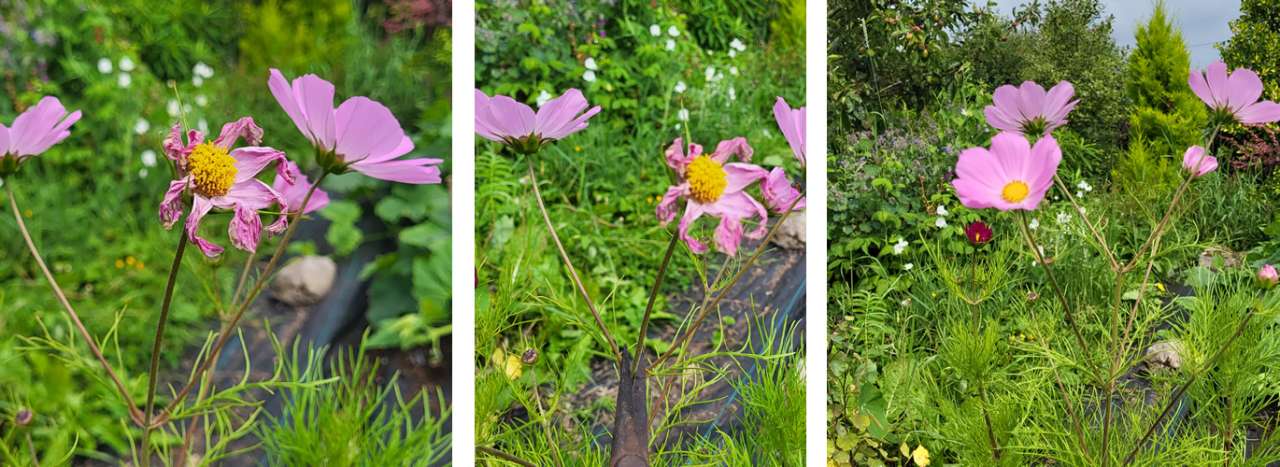
An example of how to dead-head cosmos to encourage new buds and flowers. When removing a dead flower, and this applies to most plants (with a few exceptions), resist the temptation to just pull off the flowering head. Instead, cut the flower stem away from the base (as with this cosmos) or work down to the first healthy leaf node, and cut just above it (in the case of roses and most other flowering shrubs) - Photo taken by Richard (AGC) in Boyle, 10/07/2026.
When Should You Deadhead?
Throughout the main flowering season, it's worth taking a quick walk around the garden every few days.
For bedding plants and containers, deadheading little and often is much easier than leaving everything until flowers have fully dried out.
Many gardeners combine deadheading with watering, making it part of their regular summer routine.
Quick Tip
Carry a small bucket or trug while deadheading. It saves dropping spent flowers into the border and they can all go straight onto the compost heap afterwards.
When Should You Leave Flowers Alone?
Not every faded flower needs removing.
- Leave ornamental grass seed heads for winter interest.
- Many Hydrangeas provide beautiful autumn colour as flowers age naturally.
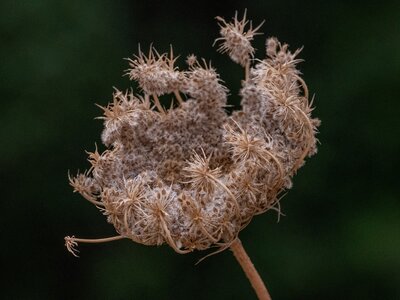
- Seed heads on plants like Echinacea and Sedum provide food for birds and add winter structure.
- If you want plants such as Foxgloves, Aquilegia or Nigella to self-seed, leave some flowers to set seed naturally.
- You may even wish to save some seed for propagating yourself in pots
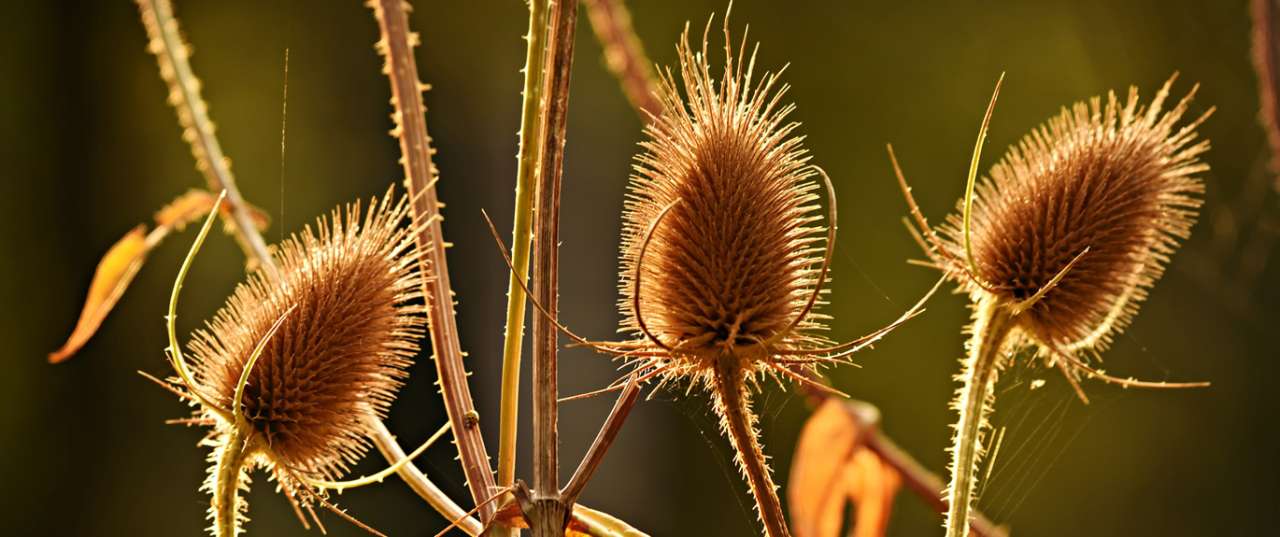
Some seed-heads look beautiful in late autumn and winter and are worth leaving alone, like with these teasel plants. Teasel seeds are also loved by goldfinches, which is one of my main reasons for growing them as otherwise I might not see these beautiful birds in my garden at all. As their collective noun suggests, goldfinches really are a 'Charm' to see - Photo by Mabel Amber from Pixabay
Common Deadheading Mistakes
- Removing only the petals instead of the entire spent flower stem.
- Leaving seed pods to develop on repeat-flowering plants.
- Using blunt secateurs that crush stems.
- Cutting too far into old woody growth on shrubs like Lavender.
- Assuming every flowering plant needs deadheading.
Remember
- Deadhead little and often throughout summer.
- Remove the whole spent flower where appropriate, not just the petals.
- Leave attractive seed heads where they provide winter interest or food for wildlife.
Everything you need to keep your garden blooming
From quality secateurs and snips to summer flowering plants, feeds and expert advice, we're here to help your garden look its very best all season long.