
Save This Year's Flower and Vegetable Seeds for Next Year
Saving your own seed is an easy way to grow more of the plants you already enjoy, save money and gradually become more self-sufficient in the garden. It can be as simple as collecting a handful of dried seed heads, but different plants need slightly different approaches.
As summer draws to a close, many flowers and vegetables are beginning to set seed. In Ireland, however, waiting for everything to dry naturally on the plant isn't always practical. Wet autumn weather can cause seed heads to rot or mould before the seed is ready to collect.
The good news is that you don't necessarily have to wait. Many seed heads and pods can be collected as they begin to mature and then finished off somewhere warm, dry and well ventilated.
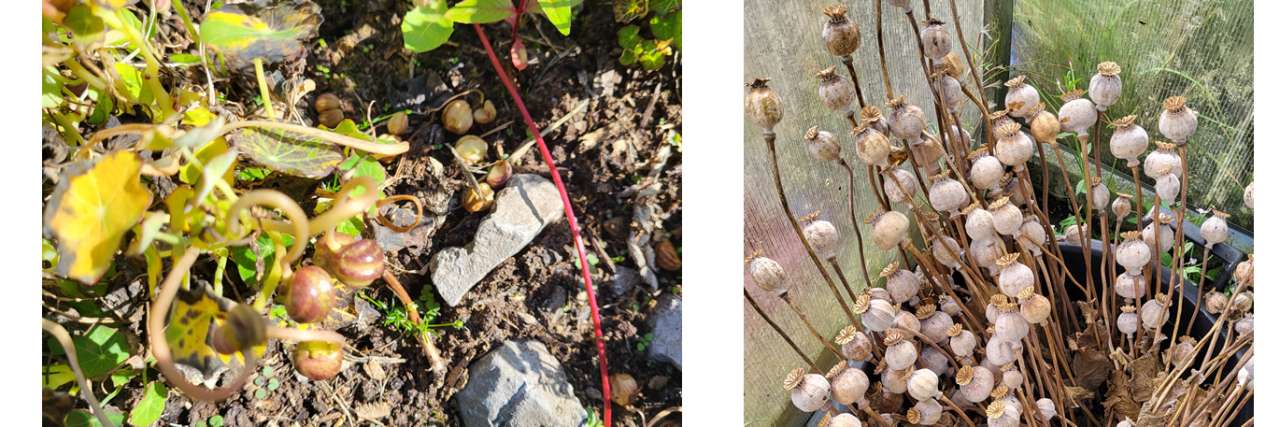
Nasturtium seeds (left) can generally be left to dry out on the plant and can be collected once they are a beige-brown colour (often you can just collect them when they have fallen on the ground as they've started to here). These poppy heads (right) I collected from the plant and placed in a bucket in the polytunnel to dry out. I can now scatter some of these in the garden as well as shaking some seeds into an envelop to be sown next spring. Photos by Richard (AGC) taken 24/08/2026
When is Seed Ready to Collect?
Generally, you're looking for signs that the seed is mature rather than simply waiting for the whole plant to turn brown.
- Seed heads or pods begin to dry and change colour.
- The seeds have reached their full size and colour.
- Pods may begin to split or rattle when shaken.
- Seeds should feel firm rather than soft or green.
Try to collect on a dry day whenever possible, ideally after any morning dew has evaporated.
You don't always need to let seed completely dry on the plant. In a wet Irish autumn, it is often better to collect mature seed heads or pods slightly early and finish drying them indoors rather than risk losing the seed to rain and rot.
Open, Fluffy Seed Heads
Many plants in the daisy family, including asters and other daisy-like flowers, produce seeds attached to fine, fluffy structures designed to catch the wind.
These are best collected just as the seed heads begin to open and the fluffy seeds become visible. Cut the whole head and place it somewhere dry, or carefully shake the seeds into a paper bag.
Once completely dry, gently separate the seed from the remaining flower material and store it in a labelled paper envelope.
Good examples: Asters, Echinacea, Rudbeckia and many other members of the daisy family.
Umbellifers: Carrots, Dill, Fennel and More
Plants in the carrot family produce distinctive umbrella-shaped flower heads, known botanically as umbels. As the seeds mature, the flower head changes from green to brown and the individual seeds become easier to see.
Cut the entire seed head once most of the seeds have matured. Place it upside down inside a paper bag or paper envelope and allow it to dry thoroughly. Once dry, gently rub or shake the head to release the seeds.
This method is particularly useful for vegetable growers saving seed from crops such as carrots, although remember that carrots can cross-pollinate with other carrot-family plants, so keeping varieties separate is important if you want the seedlings to remain true to type.
Good examples: Carrots, parsnips, dill, fennel, coriander and parsley.
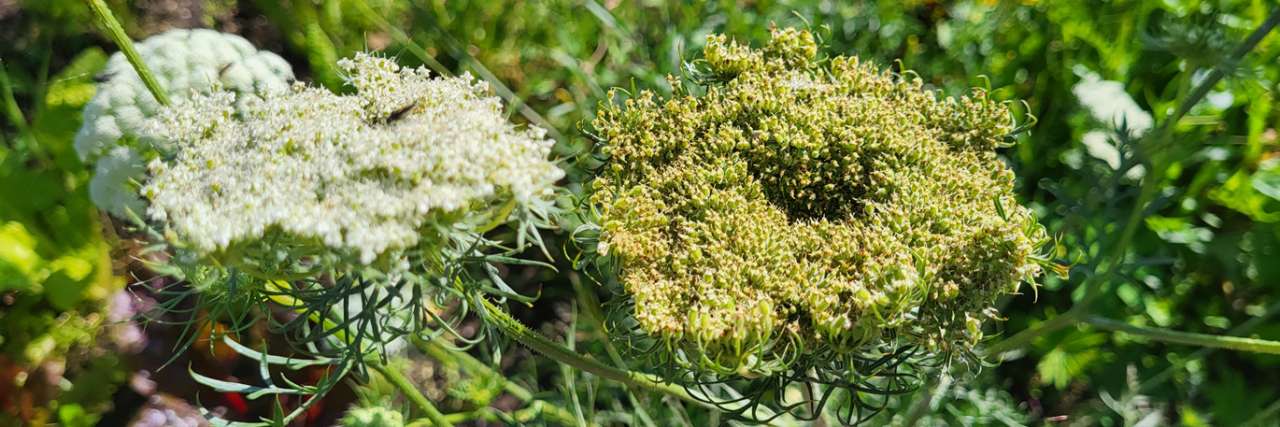
Here is a carrot I let go to seed and you can see with the flower-head to the right that the seeds have started to form. They're too green to collect at the moment but once the flower head and seeds turn brown and crispy, I'll place the flower heads with the seeds upside down in a brown paper bag and hang them somewhere to dry for about 2 weeks before separating the seed and storing in an envelope for next year. Photo taken by RIchard (AGC) 24/08/2026.
Peas, Beans and Other Legumes
Peas and beans are among the easiest seeds to save. Simply leave some pods on the plant rather than harvesting them for eating, allowing them to swell and dry.
Sweet Peas and Lupins can be treated in much the same way. The pods will gradually turn brown and dry as the seeds mature inside.
In a dry summer, you can allow the pods to dry on the plant. In wetter weather, pick them once they are mature but before prolonged rain causes them to become mouldy, then spread them out somewhere warm and dry, preferably away from any sunlight. Somewhere like a hot-press is ideal.
Once the pods are completely dry, remove the seeds and store them in labelled paper envelopes.
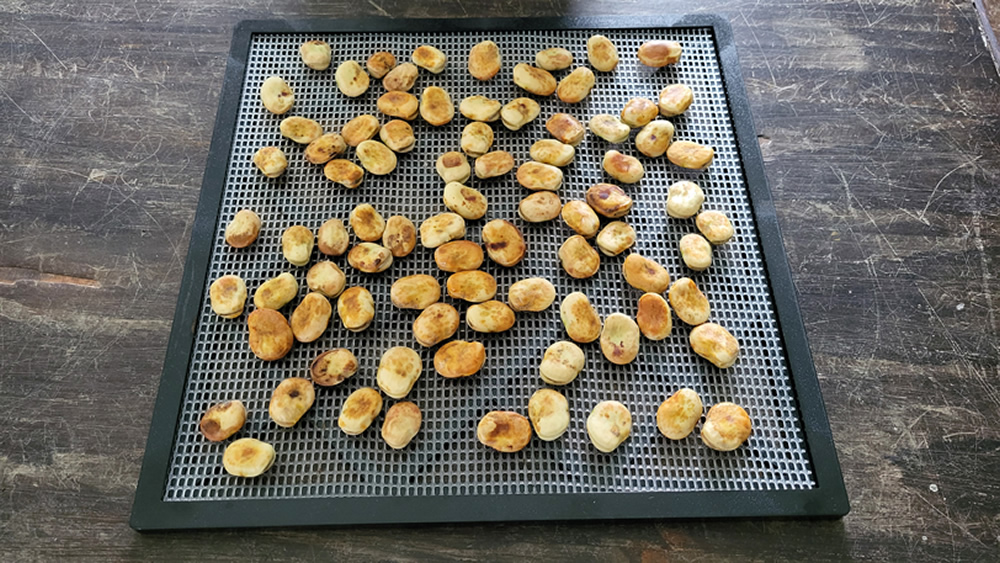
Above you can see a tray of broad beans (var. Elanor) which I am currently keeping in the hot press to allow them to dry naturally in a warm, dry and dark place. Once they have completely dried and darkened (as they do), I'll store them in a labelled envelope, in a cool, dark spot in my shed, until next spring - Photo by Richard (AGC) taken 17/08/2026.
If you're saving pea or bean seed, don't be tempted to pick every pod for the kitchen. Mark a few of the healthiest plants and deliberately leave some of their best pods to mature for seed. You'll know exactly where next year's seed has come from.
Brassicas and Long Seed Pods
Cabbages, Brussels Sprouts, Kale, Broccoli and other brassicas produce long, narrow seed pods after flowering.
Allow the pods to swell and begin turning brown, but don't wait until every pod has opened. Once they start splitting, seed can quickly be lost to the ground.
Cut the seed stems and place them somewhere dry to finish maturing. A paper bag or open cardboard box works well, allowing air to circulate while catching any seeds that fall as the pods dry.
Choose seed from healthy, vigorous plants and remember that brassicas can cross-pollinate with related varieties, so saving seed from several varieties grown close together may produce some unexpected results.
Poppies, Nigella and Other Seed Capsules
Some of the most beautiful seed heads in the garden belong to plants such as poppies and Nigella (Love-in-a-Mist).
Wait until the seed capsule has matured and begun to dry. The capsules should feel firm and dry, and the seeds should have developed inside.
Cut the stems and place the capsules upside down inside a paper bag. As they dry, the seeds will naturally fall from the openings in the capsule.
These dried seed heads can also provide attractive autumn and winter interest, so there is no need to remove every one immediately. Leave some in the garden for structure and collect others for sowing next year.
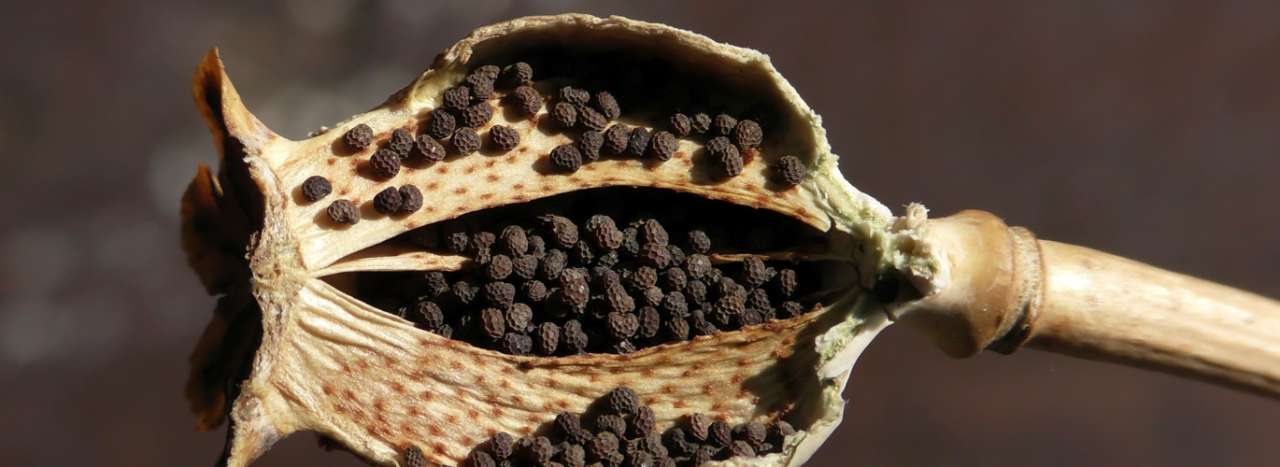
Once poppy seed heads are fully dried out they should be full of black seeds which can be sown in pots or simply scattered around the garden - just make sure you store them somewhere pests can't get to them. I was very disappointed earlier this year to find a box-full of poppy seed heads had all been gnawed or pecked at by what I presume to be mice or birds that had gotten into the shed, with not a seed to be found!
Seeds from Fleshy Fruits
Some vegetable seeds need a slightly different approach because they develop inside fleshy fruit.
Tomatoes are a good example. Choose a fully ripe, healthy fruit and scoop the seeds into a small container. Tomato seed benefits from a short fermentation process which helps remove the gel surrounding the seed and can reduce some seed-borne diseases.
Afterwards, rinse the seed thoroughly and spread it onto a labelled surface to dry completely before storing.
This is a little more involved than saving dry seed, but it is still straightforward once you've done it once.
Drying Seeds in an Irish Autumn
Our climate can make this the trickiest part of seed saving. If seed heads are left outside for too long, persistent rain can cause them to rot before the seed is fully mature.
Instead, bring mature seed heads and pods indoors and spread them somewhere warm, dry and well ventilated. A shed, greenhouse, conservatory or spare room can all work, provided there is good airflow and no excessive humidity.
- Use paper bags, envelopes or shallow cardboard boxes rather than sealed plastic containers while seeds are drying.
- Spread seed heads out rather than piling them together.
- Turn or shake them occasionally to encourage even drying.
- Don't store seed until it is completely dry.
Patience is important here. Any remaining moisture can encourage mould and reduce the viability of the seed during storage.
Label Everything!
It sounds obvious, but it is remarkably easy to end up with a collection of mystery seeds by spring.
Write the plant name and collection year on every packet. If you're saving several varieties, include the variety name as well.
Paper envelopes are ideal for storage, provided the seed is completely dry. Keep them somewhere cool, dark and dry, and avoid storing them in places where temperatures fluctuate dramatically.
Some seeds remain viable for several years when stored correctly, while others are much shorter lived (most average around 3 years). Keeping seed cool, dry and away from light generally gives it the best chance of remaining viable.
Will Saved Seed Grow True to Type?
Not necessarily. Seed saved from open-pollinated and heirloom varieties will generally be more reliable, while plants grown from hybrid (F1) seed may produce offspring that are quite different from the parent plant.
Cross-pollination can also occur between related plants. This is particularly important with crops such as brassicas and carrots if you are hoping to maintain a particular variety.
For the home gardener, however, a little experimentation can be part of the fun. You may not always get exactly the plant you expected, but you may get something interesting!
Quick Reference: How to Save Different Seeds
| Seed Type | When to Collect | How to Dry |
|---|---|---|
| Open/fluffy heads | When the seed becomes visible and begins to loosen. | Cut heads and dry indoors; shake or tease out the seed. |
| Umbels | When most seeds have matured and the head begins to brown. | Dry whole heads in a paper bag or upside down. |
| Peas & beans | When pods are swollen, brown and beginning to dry. | Leave to dry on the plant or finish indoors. |
| Brassica pods | When pods turn brown but before they fully split. | Cut stems and dry in a paper bag or open box. |
| Poppies & Nigella | When capsules are firm and dry. | Dry capsules upside down in a paper bag. |
| Fleshy fruits | When fruit is fully ripe. | Separate, clean and thoroughly dry the seed before storing. |
Remember
- Collect from healthy plants and choose the best specimens for seed saving.
- In wet weather, bring mature seed heads indoors to finish drying rather than waiting for perfect conditions outside.
- Label everything and make sure seed is completely dry before storing.
Planning for Next Year's Garden?
From seeds and propagation supplies to pots, compost and everything else you need to get your garden growing, we're here to help you make the most of every season.